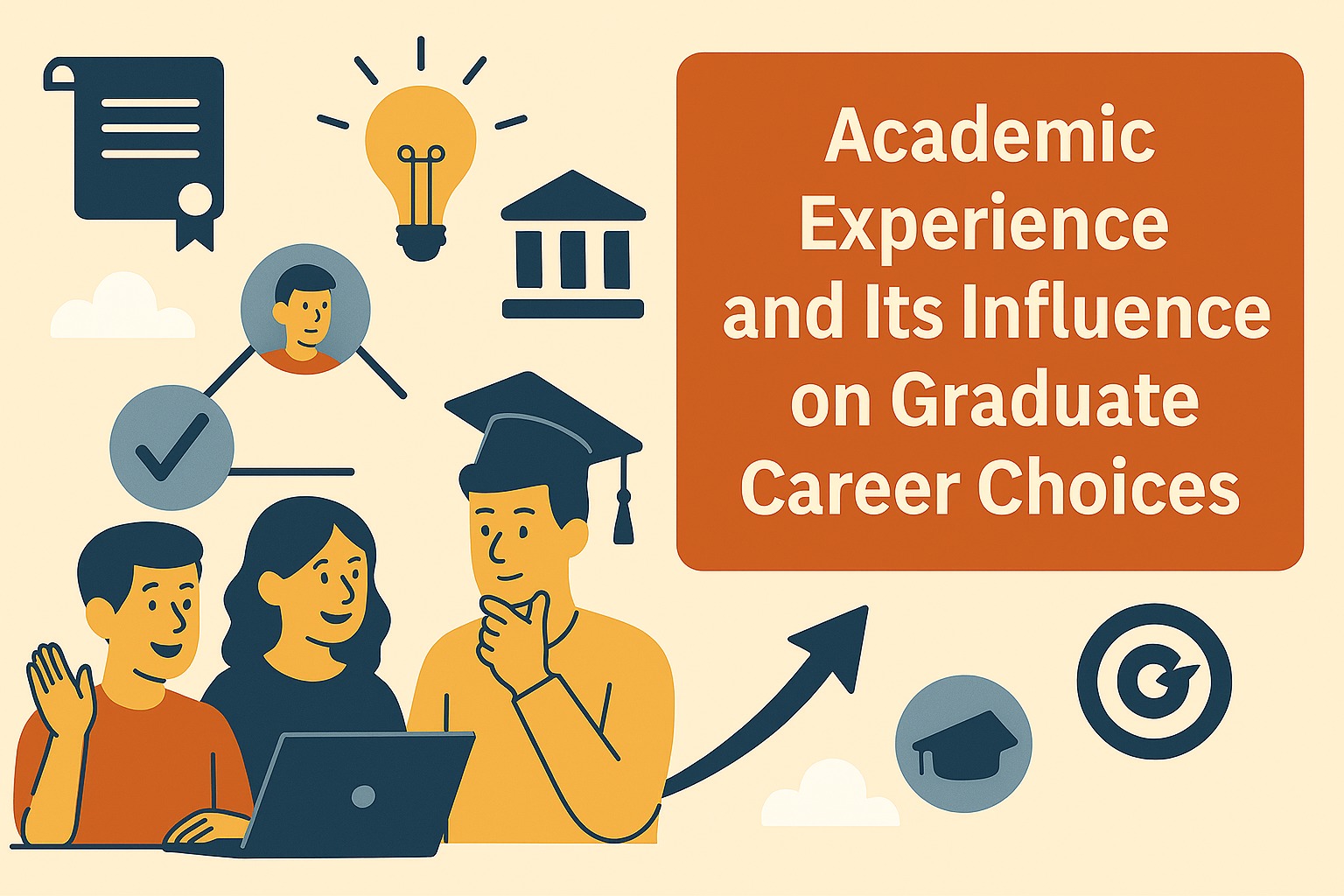
Academic experience is more than earning grades or completing coursework. It is a transformative journey that shapes how students think, solve problems, and define their professional aspirations. From classroom discussions to internships and research projects, every academic encounter contributes to how graduates choose their career paths.
In an increasingly competitive global job market, understanding how academic experience influences graduate career choices is essential. Universities do not simply produce degree holders—they shape future professionals through structured learning environments and meaningful engagement.
THE IMPACT OF CLASSROOM LEARNING ON CAREER DIRECTION
Classroom learning plays a foundational role in shaping career decisions. Through lectures, case studies, and collaborative assignments, students are exposed to theoretical frameworks and real-world applications. Certain subjects often spark strong interest, leading students to explore related career opportunities more deeply.
Engaging teaching methods, such as problem-based learning and interactive discussions, encourage critical thinking. As students analyze complex issues, they begin to recognize which fields align with their strengths and long-term ambitions.
PRACTICAL EXPERIENCE AND INTERNSHIPS AS CAREER SHAPERS
Beyond theory, hands-on academic experiences significantly influence career choices. Internships, laboratory work, field studies, and industry collaborations provide direct exposure to professional environments. These experiences allow students to test their interests in real settings.
Many graduates decide on their career paths after participating in internships. Real-world practice clarifies expectations, workplace culture, and required competencies. Academic programs that integrate practical components therefore have a strong impact on shaping informed career decisions.
THE ROLE OF FACULTY GUIDANCE AND MENTORSHIP
Professors and academic advisors contribute greatly to career planning. Through research supervision, academic counseling, and professional advice, faculty members help students explore career possibilities within their discipline.
Mentorship provides clarity and direction. Constructive feedback and encouragement from lecturers often inspire students to pursue specialized fields or advanced studies. This guidance strengthens confidence in making long-term professional commitments.
CAMPUS ENVIRONMENT AND PROFESSIONAL DEVELOPMENT
The broader academic environment also influences graduate career choices. A supportive and innovative campus culture fosters curiosity, collaboration, and leadership. Participation in academic conferences, workshops, and student organizations expands students’ professional networks.
These experiences develop essential soft skills such as communication, teamwork, and adaptability—qualities highly valued by employers. As a result, students become better prepared to choose careers that match both their competencies and personal values.
LONG TERM EFFECTS ON CAREER SUCCESS
Graduates who make career decisions based on rich academic experiences tend to demonstrate greater job satisfaction and adaptability. Their choices are grounded in self-awareness rather than external pressure or temporary trends.
A well-rounded academic journey builds resilience and strategic thinking. These attributes help graduates navigate career transitions and long-term professional growth more effectively.
CONCLUSION
Academic experience plays a decisive role in influencing graduate career choices. Through classroom learning, practical exposure, mentorship, and a supportive campus environment, students gain clarity about their professional direction. Universities that provide meaningful academic engagement contribute directly to shaping confident, competent, and career-ready graduates.
By maximizing academic opportunities during their studies, students can build a strong foundation for sustainable and fulfilling career paths.
Tentang Penulis
Gusti Ayu Tita
Penulis — Universitas STEKOM
Penulis aktif yang berfokus pada isu-isu akademik, teknologi pendidikan, dan pengembangan sumber daya manusia di lingkungan kampus.