
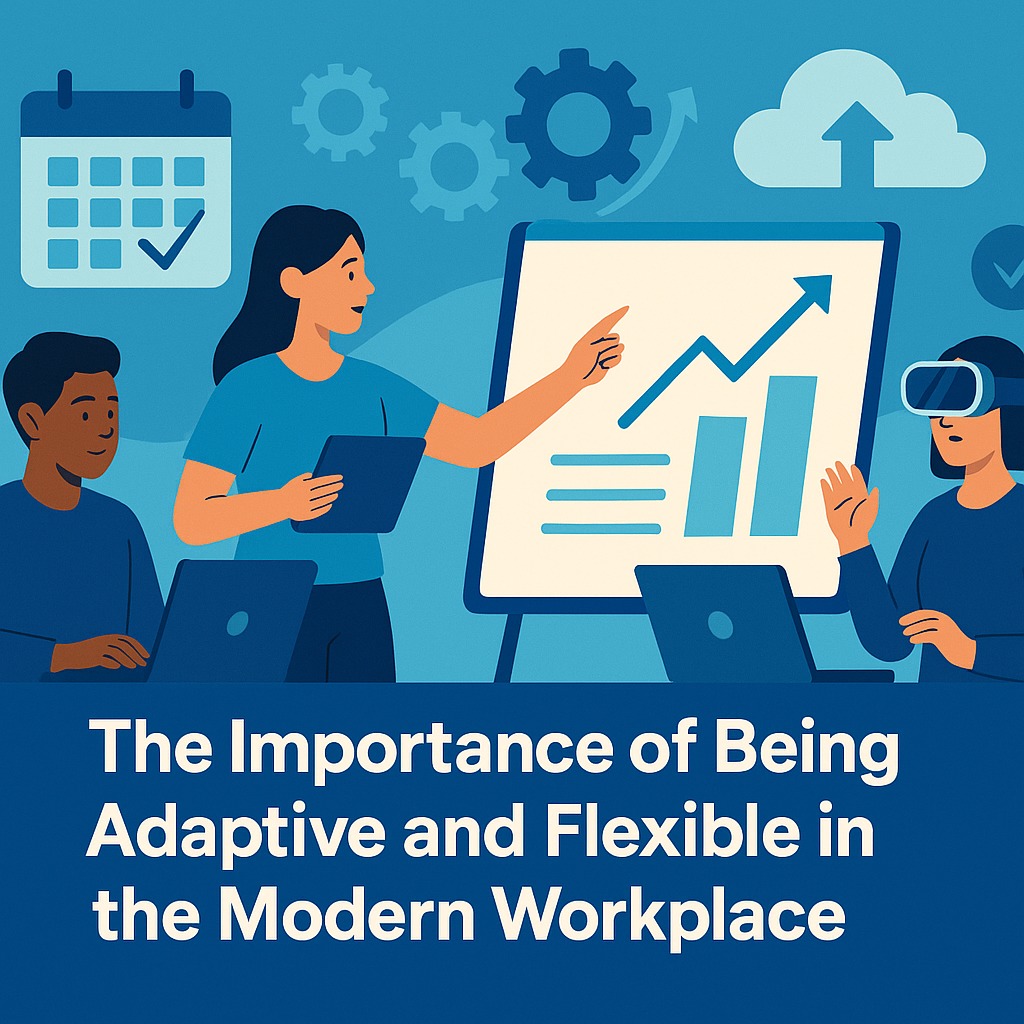
The Importance of Being Adaptive and Flexible in the Modern Workplace
In today’s fast-paced and unpredictable work environment, the ability to adapt and remain flexible is no longer just a plus—it’s a necessity. Rapid technological advancement, evolving business models, and ever-changing corporate expectations demand that employees adjust quickly and effectively to stay relevant.
So, why are adaptability and flexibility so essential in today’s professional world? This article will explore the benefits, real-life examples, and actionable strategies for developing these crucial skills to help you stay competitive in your career.
WHY ADAPTABILITY AND FLEXIBILITY ARE CRUCIAL IN THE WORKPLACE
1. Easier Response to Change
Today’s work environment faces massive disruptions, from digitalization to automation. Adaptive employees are less likely to panic during major shifts in organizational structures or work systems.
2. Boosts Individual Competitiveness
Companies prefer individuals who can perform under pressure and in a variety of circumstances. Being flexible shows that you can manage tasks across departments—even with limited resources.
3. Supports a Dynamic Work Culture
Many companies now adopt hybrid, remote, and cross-functional collaboration models. Flexible employees can easily integrate with different teams and adapt to new workflows.
4. Prepares You for Future Challenges
Being adaptive means you’re open to continuous learning and upgrading your skills. It ensures you won’t fall behind in an increasingly competitive work landscape.
REAL EXAMPLES OF ADAPTABILITY AND FLEXIBILITY AT WORK
- Willing to learn new software introduced by the company.
- Open to changing work methods for better outcomes.
- Able to collaborate with cross-generational or multicultural teams.
- Ready to accept feedback and use it constructively.
- Quickly adjust when transferred to a different department.
HOW TO DEVELOP ADAPTABILITY AND FLEXIBILITY
✅ Be Open to Change
Don’t fear leaving your comfort zone. See change as an opportunity, not a threat.
✅ Continue Learning and Upgrading Your Skills
Attend training, webinars, or self-learn new tools and competencies to stay relevant.
✅ Build Mental Resilience
Adaptability also means emotional strength. Learn how to manage stress and stay calm under pressure.
✅ Learn from Others’ Experiences
Observe how colleagues or mentors handle challenges. Use their strategies as inspiration for your growth.
CONCLUSION
In a constantly evolving and unpredictable job market, adaptability and flexibility are the key drivers of both personal and professional growth. These qualities not only make you a valuable asset to any organization, but they also empower you to navigate your career with confidence and clarity.
Tentang Penulis
Gusti Ayu Tita
Penulis — Universitas STEKOM
Penulis aktif yang berfokus pada isu-isu akademik, teknologi pendidikan, dan pengembangan sumber daya manusia di lingkungan kampus.



