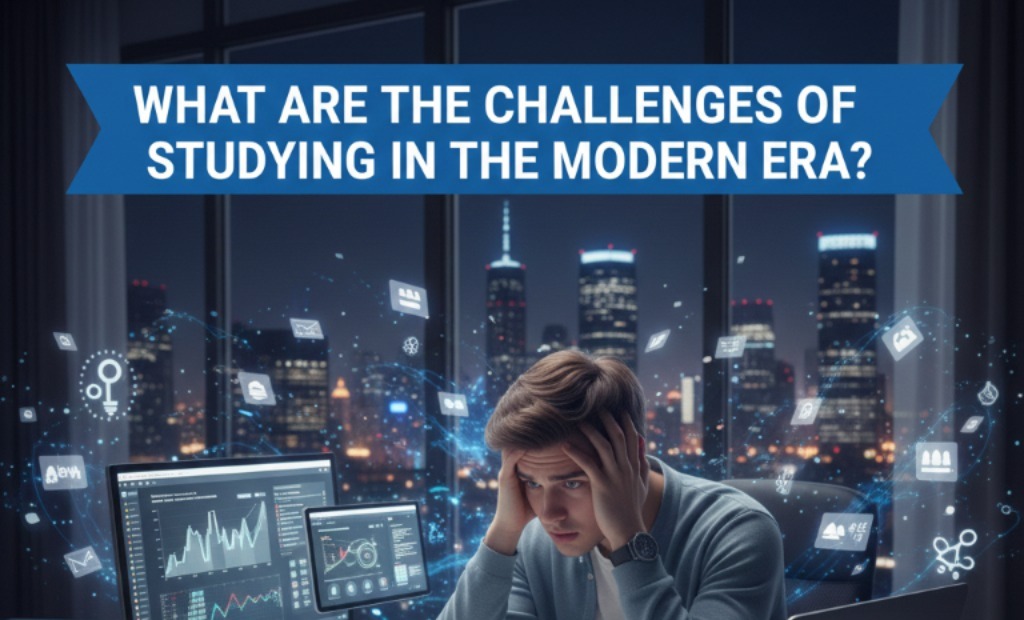
Technological advancements and social changes have significantly impacted higher education. Today’s students are not only required to understand academic materials but also to adapt quickly to rapid changes. As a result, the challenges of college life in the modern era have become more diverse and complex, requiring mental readiness, strong skills, and effective learning strategies.
CHANGES IN THE LEARNING SYSTEM
• Adapting to technology-based education
One of the main challenges in modern higher education is the transformation of learning systems. Many courses now rely on digital technology, such as online classes, learning platforms, and internet-based resources. Students are expected to be more independent in managing their time and understanding course materials without relying entirely on lecturers.
• Facing flexible learning methods
This shift can be challenging for students who are not yet familiar with flexible, technology-driven learning environments.
DEMAND FOR DIGITAL SKILLS
• Digital literacy as a core requirement
Digital skills have become essential for today’s students. Technology is not only used for attending classes but also for completing assignments, searching for references, and collaborating online. Students who lack digital competence may struggle to keep up with modern campus demands.
• Enhancing efficiency through technology mastery
Strong digital skills enable students to study more efficiently and productively.
ACADEMIC AND NON-ACADEMIC PRESSURE
• Balancing multiple responsibilities
Modern students often face high academic pressure, including grade expectations, heavy workloads, and intense competition. At the same time, many are involved in organizations, internships, or part-time jobs. Without proper management, these pressures can lead to stress and exhaustion.
• Time management as a key solution
Effective time management and priority setting are essential to overcoming these challenges.
THE INFLUENCE OF SOCIAL MEDIA
• Benefits and risks of social media use
Social media plays a significant role in student life. On one hand, it facilitates communication and access to information. On the other hand, excessive use can disrupt study focus and negatively affect mental health.
• Developing responsible digital habits
Students need to use social media wisely to prevent negative impacts on their academic performance.
PREPARATION FOR THE WORLD OF WORK
• Beyond academic achievement
College education in the modern era is not only about completing a degree but also about preparing for a competitive job market. Students are expected to develop practical skills, gain experience, and demonstrate adaptability.
• The risk of limited career readiness
A lack of career preparation becomes a major challenge when students focus solely on academics without personal and professional development.
MAINTAINING MENTAL HEALTH
• Mental health as a growing concern
Rapid changes, academic pressure, and social demands have made mental health a critical issue among students. Anxiety, overthinking, and burnout are increasingly common.
• The importance of balance and self-awareness
Maintaining life balance, seeking support, and recognizing personal limits are crucial for sustaining mental well-being.
CONCLUSION
The challenges of college life in the modern era include changes in learning systems, demands for digital skills, academic pressure, career preparation, and mental health concerns. With an open mindset, strong adaptability, and effective time management, students can face these challenges more wisely. College in the modern era is not just about surviving, but about growing and preparing for a better future.
Tentang Penulis
Gusti Ayu Tita
Penulis — Universitas STEKOM
Penulis aktif yang berfokus pada isu-isu akademik, teknologi pendidikan, dan pengembangan sumber daya manusia di lingkungan kampus.