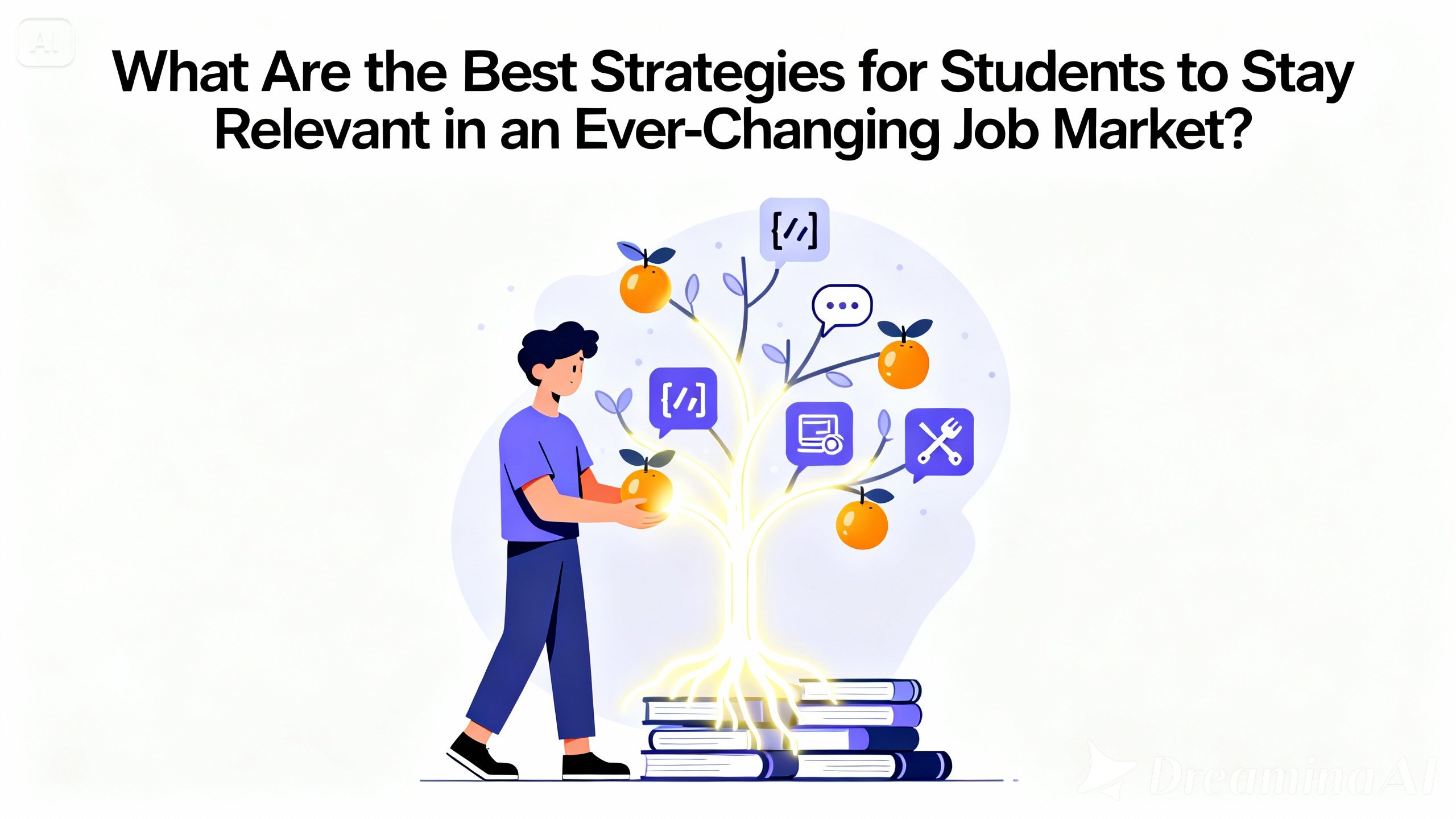
The job market today is undergoing rapid changes due to technological advancements, globalization, and shifting industry demands. New professions continue to emerge, while some traditional jobs are gradually disappearing. In this situation, students are required not only to rely on academic degrees but also to develop the right strategies to remain relevant and prepared to face the dynamic nature of the modern workforce.
CHANGES IN THE WORLD OF WORK IN THE ERA OF DISRUPTION
Changes in the job market are inevitable and affect almost every field. Students need to understand the direction of these changes in order to prepare themselves early.
1. The Emergence of Technology-Based Professions
Many new jobs have emerged as a result of technological developments, such as data analysts, digital marketers, UI/UX designers, and AI specialists. This requires students to continuously update their knowledge and skills in line with industry needs.
2. Increasingly Global Job Competition
The job market is no longer limited by geographical boundaries. Students must compete with talent from around the world, making competency quality and professionalism key success factors.
BEST STRATEGIES FOR STUDENTS TO STAY RELEVANT
To survive and grow amid constant change, students need to implement sustainable and adaptive strategies.
1. Developing Skills Relevant to Industry Needs
Students should focus on acquiring skills demanded by today’s job market, including hard skills such as digital technology and data analysis, as well as soft skills like communication, teamwork, and leadership.
2. Adopting a Growth Mindset
A growth mindset helps students view change as a learning opportunity. By remaining open to new experiences, students can adapt more easily and continuously improve themselves.
3. Actively Participating in Training, Seminars, and Certifications
Training programs and certifications serve as tangible proof of competence. In addition to enhancing skills, these activities broaden students’ insights and professional networks.
4. Building Personal Branding While Still in College
Personal branding can be developed through professional social media platforms, digital portfolios, and active participation in communities. This helps students gain recognition and credibility in the eyes of industry professionals.
5. Seeking Practical Experience Outside the Classroom
Internships, organizational involvement, social projects, and freelance work provide added value. Employers place high value on real-world experience that demonstrates a student’s ability to handle challenges.
THE ROLE OF STUDENTS IN SHAPING FUTURE CAREERS
Students play a crucial role as the next generation that will shape the future of work. With proper preparation and strategy, they can become sources of innovation and positive change.
1. Becoming Lifelong Learners
Since the job market continues to evolve, learning should not stop after graduation. Students must develop a habit of continuous learning and self-improvement.
2. Being Willing to Adapt to Changing Work Patterns
Flexibility in working arrangements, such as remote work and digital collaboration, has become an essential part of the modern workplace.
CONCLUSION
The best strategies for students to remain relevant in a constantly changing job market include developing industry-relevant skills, adopting a growth mindset, building strong personal branding, and actively seeking practical experience. With adaptability and a commitment to lifelong learning, students can not only survive but also excel and remain competitive in the future workforce.
Tentang Penulis
Gusti Ayu Tita P
Penulis — Universitas STEKOM
Penulis aktif yang berfokus pada isu-isu akademik, teknologi pendidikan, dan pengembangan sumber daya manusia di lingkungan kampus.