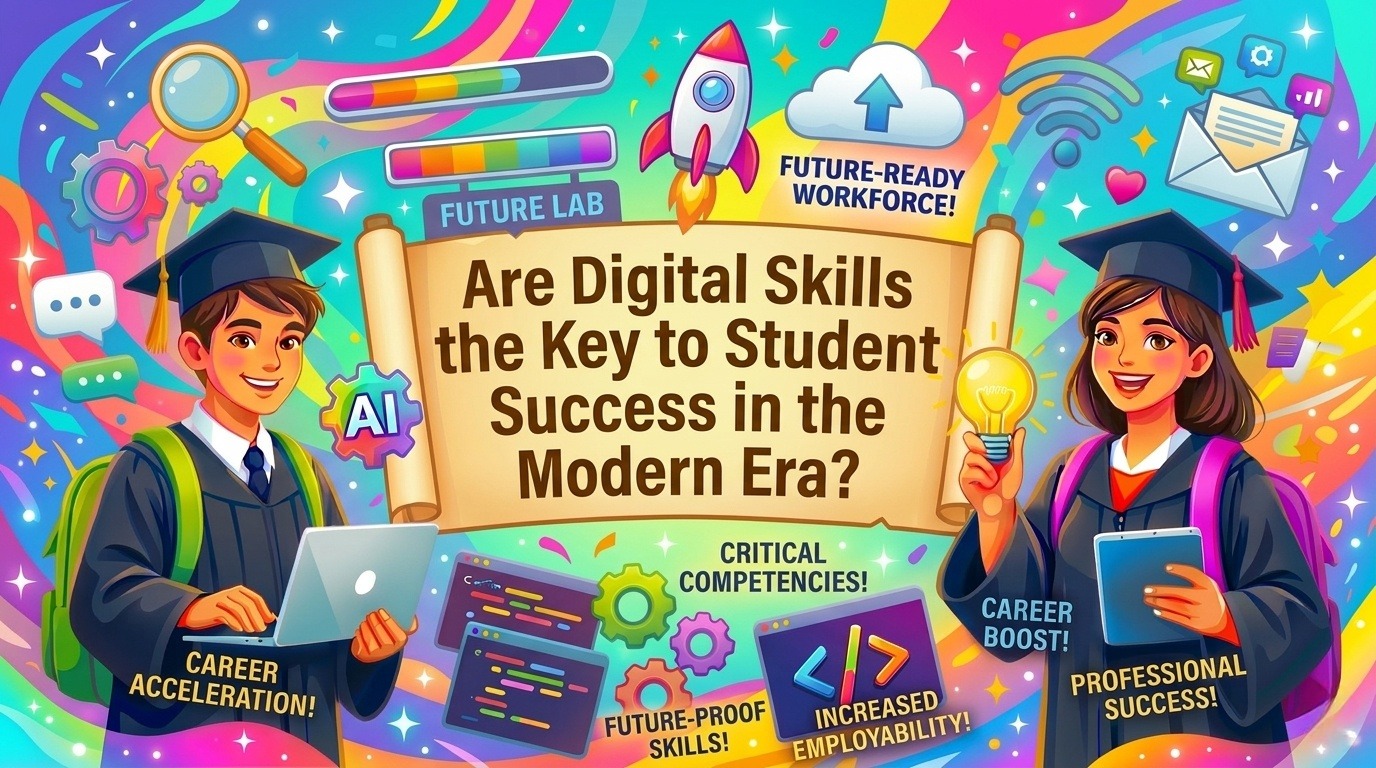
In the fast-paced world of the 21st century, technology has become deeply embedded in education. From online learning platforms to digital collaboration tools, students are expected to adapt quickly to technological advancements. This raises an important question: are digital skills truly the key to student success in the modern era? The answer lies in how these skills shape learning experiences, academic achievement, and future opportunities.
UNDERSTANDING DIGITAL SKILLS IN EDUCATION
Digital skills refer to the ability to use technology effectively for learning, communication, and problem-solving. These skills include operating digital devices, navigating online platforms, managing information, and creating digital content. Students with strong digital skills can access knowledge more efficiently and utilize various tools to enhance their learning process.
In modern education, digital skills are not limited to technical abilities. They also involve critical thinking, creativity, and adaptability. These competencies help students stay relevant in a constantly changing digital environment.
ENHANCING LEARNING EXPERIENCES
Digital skills significantly improve the way students learn. With access to e-books, educational videos, and interactive applications, learning becomes more engaging and flexible. Students can study anytime and anywhere, making education more accessible than ever before.
Moreover, digital tools allow personalized learning. Students can choose resources that match their learning styles, enabling them to understand concepts more effectively. This leads to a deeper and more meaningful learning experience.
IMPROVING ACADEMIC PERFORMANCE
Students who are proficient in digital skills often perform better academically. They can conduct research efficiently, organize information, and present their work in a structured and creative way. Tools such as presentation software, spreadsheets, and online collaboration platforms make assignments easier to complete.
Additionally, digital literacy helps students avoid misinformation by teaching them how to evaluate sources critically. This ensures that the information they use in their academic work is accurate and reliable.
STRENGTHENING COMMUNICATION AND COLLABORATION
In today’s interconnected world, communication is no longer limited to face-to-face interactions. Digital skills enable students to communicate effectively through emails, messaging platforms, and virtual meetings. They also facilitate collaboration on group projects, even when students are in different locations.
Working together through digital platforms helps students develop teamwork skills and exposes them to diverse perspectives. These experiences are essential for both academic and professional success.
PREPARING FOR FUTURE CAREERS
Digital skills are highly valued in the job market. Employers seek individuals who can adapt to technology and use digital tools efficiently. Students who master these skills are better prepared to meet workplace demands.
From data analysis to digital marketing, many careers require a solid understanding of technology. By developing digital skills early, students gain a competitive advantage and increase their chances of career success.
PROMOTING RESPONSIBLE TECHNOLOGY USE
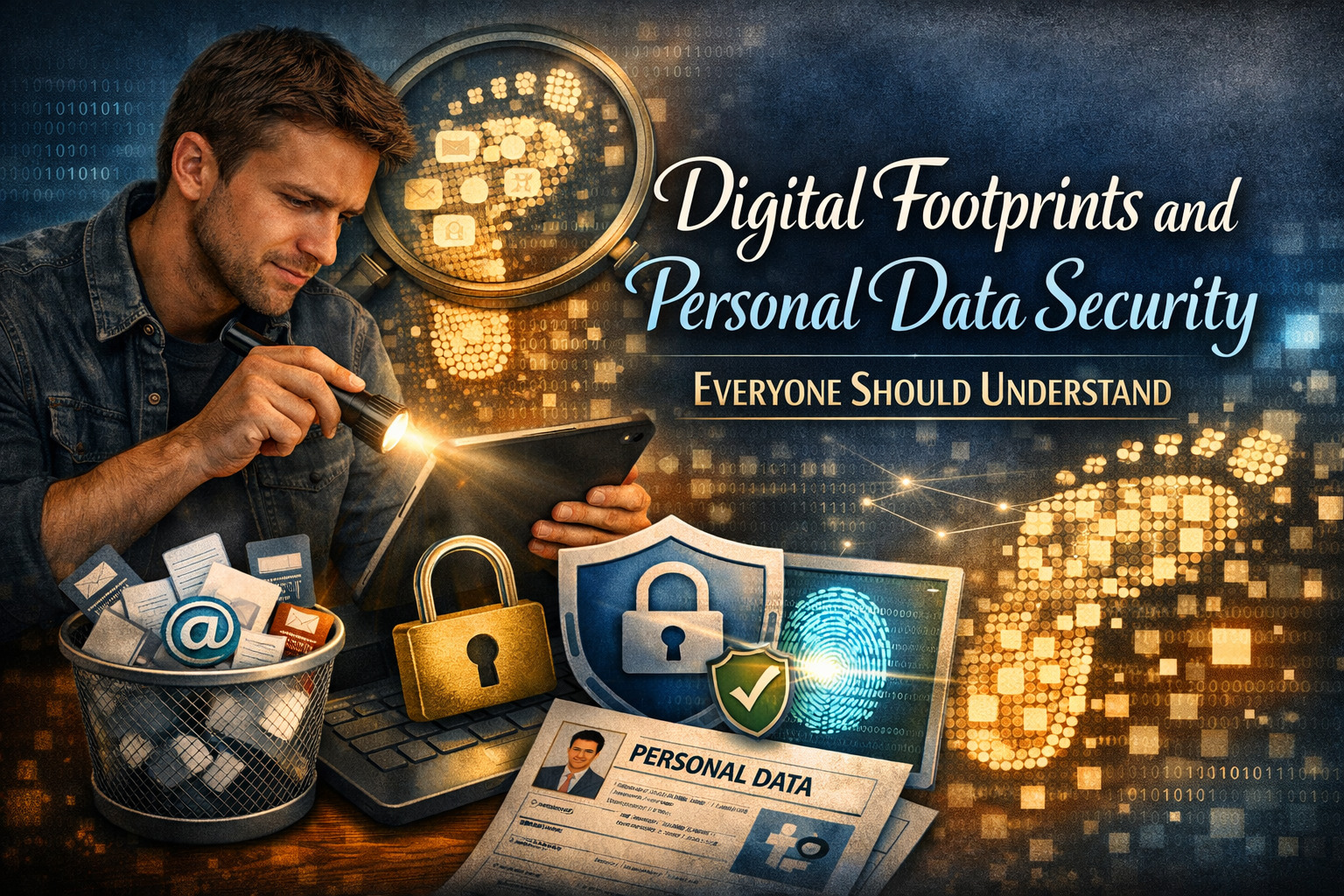
Another important aspect of digital skills is understanding how to use technology responsibly. Students must be aware of online ethics, data privacy, and digital security. This knowledge helps them avoid risks such as cyber threats and misuse of information.
Responsible digital behavior also includes respecting others online and maintaining a positive digital presence. These habits are essential for building a good reputation in both academic and professional environments.
CONCLUSION
Digital skills play a crucial role in determining student success in the modern era. They enhance learning experiences, improve academic performance, strengthen communication, and prepare students for future careers. As technology continues to evolve, students who develop strong digital skills will be better equipped to succeed in both education and the workplace.
Tentang Penulis
Gusti Ayu Tita
Penulis — Universitas STEKOM
Penulis aktif yang berfokus pada isu-isu akademik, teknologi pendidikan, dan pengembangan sumber daya manusia di lingkungan kampus.