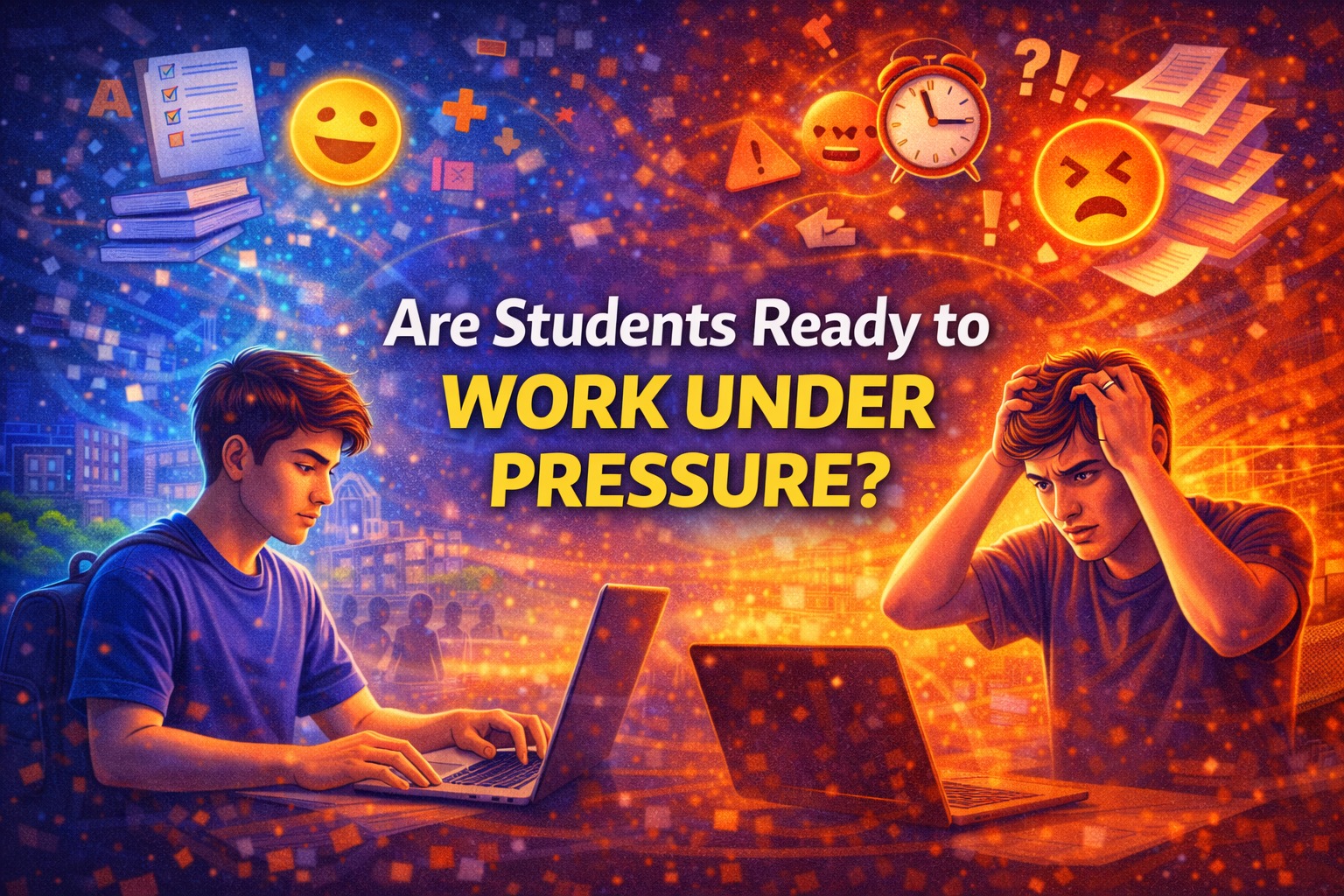
Are Students Ready to Work Under Pressure After Graduation?
Entering the workforce means being prepared to face pressures that are very different from campus life. Targets, responsibilities, and professional demands become part of daily routines. The question is, are students truly ready to work under such pressure after graduating? Many fresh graduates feel surprised because workplace pressure is not only physical, but also mental and emotional.
Workplace Pressure Is Different From Academic Pressure
The pressure experienced by students on campus is generally related to assignments, exams, and grades. This type of pressure has clear deadlines and still allows room for mistakes.
In the workplace, pressure is continuous and directly linked to professional responsibility.
Mistakes at work do not only affect personal performance but also impact team outcomes and the company’s reputation. This difference is one of the main reasons many fresh graduates feel unprepared.
Students’ Mental Readiness
Readiness to work under pressure is strongly influenced by mental condition.
Students who are accustomed to facing challenges and managing stress tend to be better prepared for the working world.
On the other hand, limited experience in dealing with pressure can lead to anxiety and burnout. Emotional management, self-confidence, and time management are essential skills that should be developed during university life.
The Role of the Campus Environment in Building Resilience
The campus environment plays an important role in shaping students’ resilience.
Organizational activities, group projects, and non-academic responsibilities gradually train students to handle pressure.
Students who actively participate in various activities are usually more familiar with demands and teamwork dynamics, making the transition to the workplace less overwhelming.
Student Strategies for Dealing With Workplace Pressure
To be ready to work under pressure, students need to equip themselves with effective strategies.
Setting priorities, maintaining good communication, and having the courage to ask for help when needed are crucial steps.
In addition, maintaining a balance between work and personal life helps students cope with long-term pressure in a healthier way.
Conclusion
Whether students are ready to work under pressure largely depends on their mental preparation and prior experiences. The working world requires a higher level of resilience than campus life, but this readiness can be developed early.
By building strong mental resilience and good adaptability, students can face workplace pressure with greater confidence and well-being.
Tentang Penulis
Gusti Ayu Tita
Penulis — Universitas STEKOM
Penulis aktif yang berfokus pada isu-isu akademik, teknologi pendidikan, dan pengembangan sumber daya manusia di lingkungan kampus.