How Can the Education System Keep Up With Modern Developments?
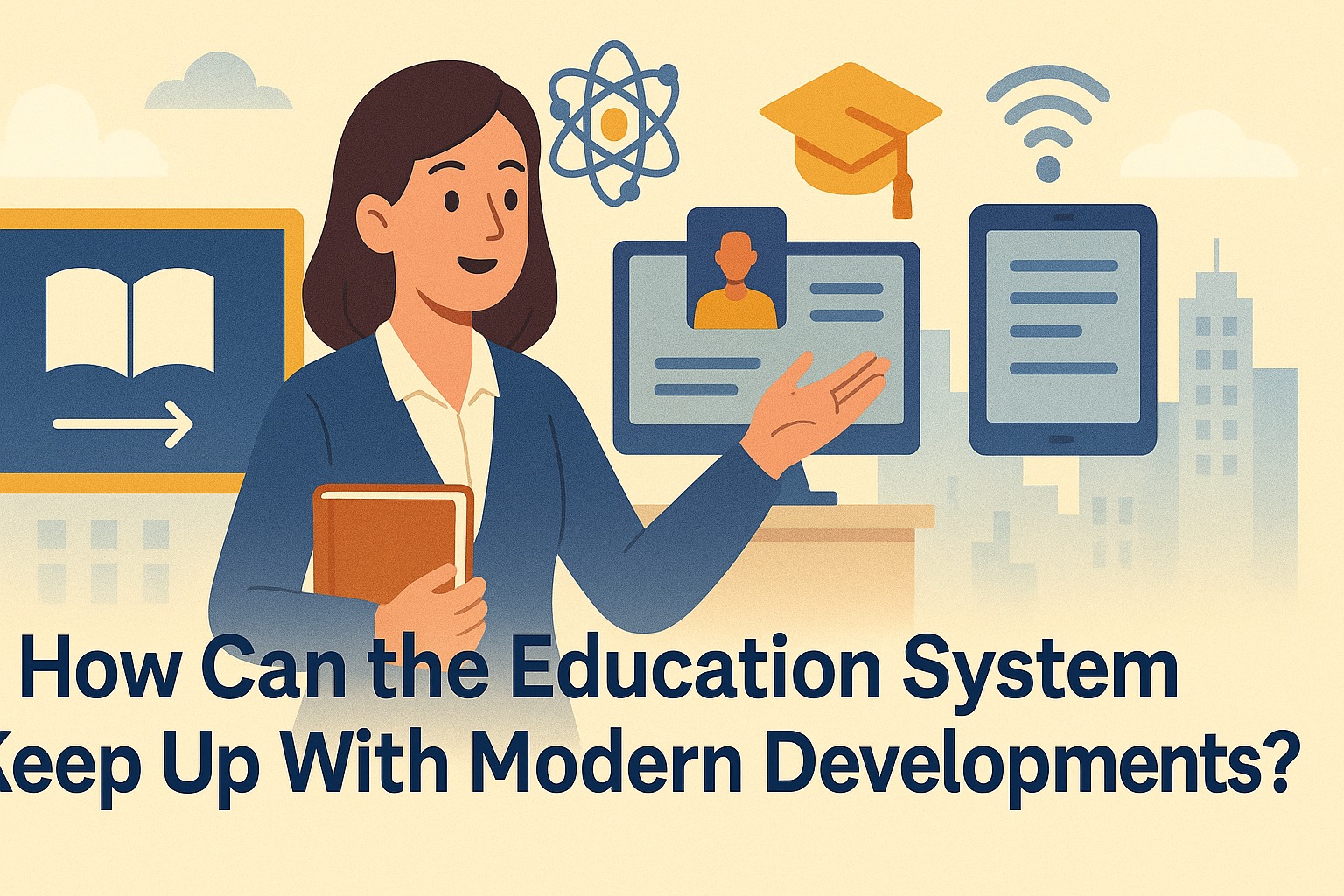
The rapid pace of change brought about by technological advancements, globalization, and social dynamics demands that education systems continuously adapt. Education is no longer just about memorization and theory—it must now prepare students to be creative, adaptable, and capable of critical thinking. Therefore, it is crucial to regularly review and modernize the education system to ensure it remains relevant and responsive to both current and future challenges.
Challenges Faced by the Modern Education System
Today's education systems are facing a range of challenges due to evolving global trends, such as:
- Changing job skill requirements: The workforce now demands competencies like collaboration, communication, digital literacy, and problem-solving.
- Technological advancement: Traditional teaching methods are becoming outdated in the face of innovations like AI, big data, and online learning.
- Digital-native generations: Modern students are born into a digital world and require more interactive, tech-based learning approaches.
- Access inequality: Despite technological growth, not all regions have equal access to modern educational infrastructure.
Strategies to Align Education With the Times
To keep education relevant and effective, several strategic actions can be taken:
1. Reform Curriculum Based on 21st Century Skills
- Emphasize critical thinking, creativity, collaboration, and communication (the 4Cs).
- Integrate digital literacy, entrepreneurship, and character education.
- Adapt learning content to address both global issues and local contexts.
2. Integrate Technology Into the Learning Process
- Promote the use of e-learning platforms, hybrid learning, and interactive multimedia.
- Develop AI-based learning apps to personalize education.
- Provide ICT training for both teachers and students to optimize tech use in classrooms.
3. Strengthen Teacher Competencies
- Teachers must act as facilitators and mentors, not just knowledge transmitters.
- Offer continuous training on modern pedagogy and educational technology.
- Encourage teacher innovation and sharing of best practices across schools.
4. Foster Collaboration Between Education and Industry
- Co-develop curricula and training programs with businesses.
- Introduce industry-focused classes, internship programs, and professional mentoring in secondary schools and universities.
- Improve graduate readiness for the ever-evolving job market.
5. Promote Flexibility and Inclusivity in Education
- Offer alternative learning pathways like non-formal education, homeschooling, and online courses.
- Ensure that marginalized communities—including those with disabilities and from remote areas—have access to quality education.
- Use data and research to inform sustainable educational policy-making.
Conclusion
An education system that keeps pace with modern developments is key to shaping a generation ready to face global challenges. Change is not solely the government's responsibility—it requires synergy between schools, teachers, parents, industries, and the wider community. With an adaptive curriculum, integrated technology, and inclusive approaches, Indonesia’s education can move forward toward a more competitive, equitable, and empowered future.
Tentang Penulis
Gusti Ayu Tita
Penulis — Universitas STEKOM
Penulis aktif yang berfokus pada isu-isu akademik, teknologi pendidikan, dan pengembangan sumber daya manusia di lingkungan kampus.