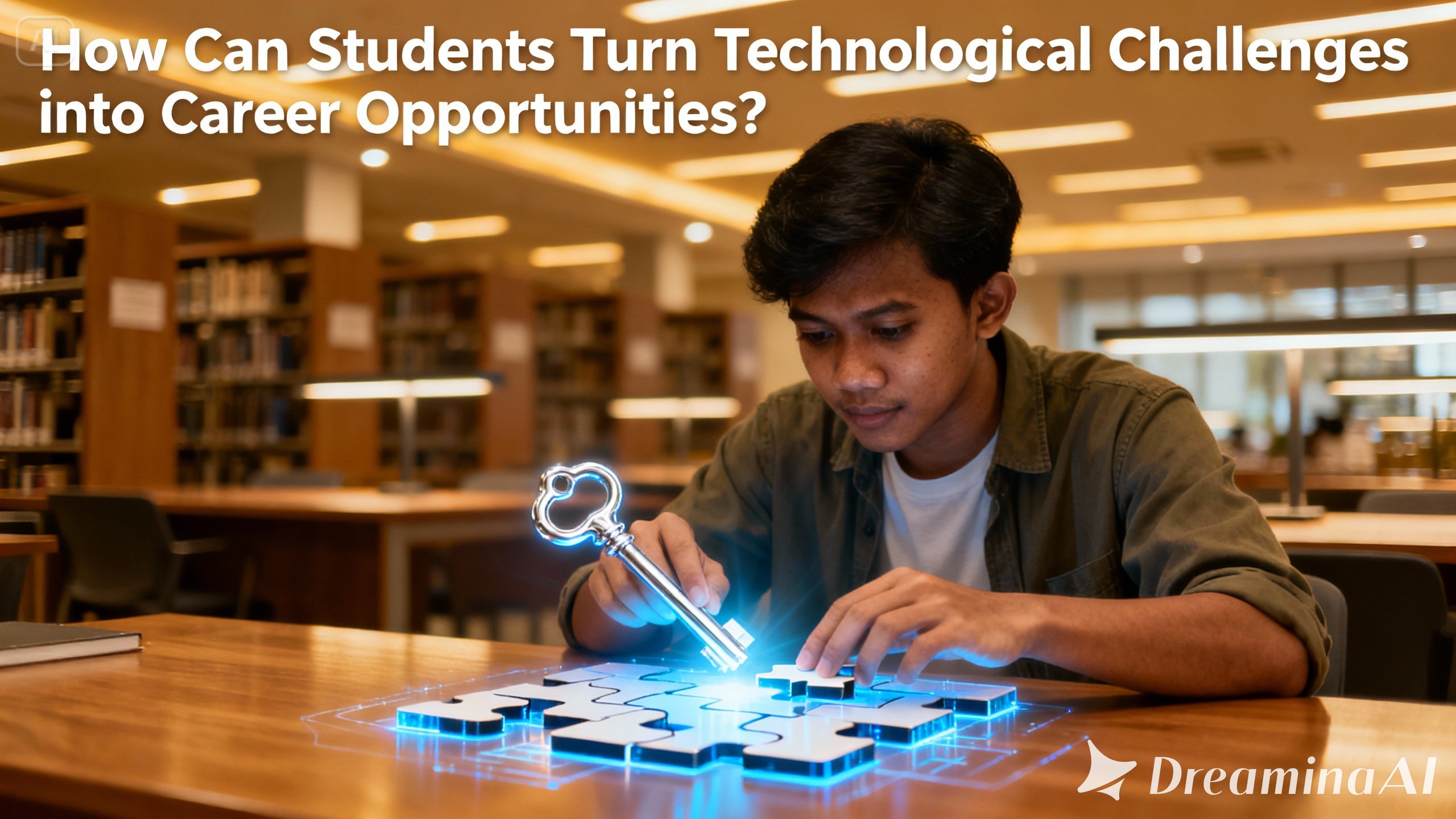
The rapid development of technology is often seen as a major challenge for students. Automation, artificial intelligence, and digital transformation are reshaping how work is done across nearly all sectors. However, behind these challenges lie vast career opportunities. Students who are able to adapt and leverage technology effectively are in a strong position to succeed in the future job market.
TECHNOLOGICAL CHALLENGES IN THE DIGITAL ERA
Technology brings rapid changes that require students to continuously learn and adapt. Challenges such as digital skill gaps, global competition, and shifts in job types are realities that cannot be avoided. However, these challenges should be viewed not as obstacles, but as starting points for growth.
1. Rapid Changes in Skill Requirements
Today’s job market increasingly demands digital skills such as data analysis, programming, digital design, and AI literacy. Students who rely solely on theoretical knowledge without upgrading their skills will struggle to compete.
2. Automation Replacing Conventional Jobs
Many traditional jobs are being replaced by machines and automated systems. While this creates concern, it also opens opportunities for new roles based on technology and creativity.
STUDENT STRATEGIES TO TURN CHALLENGES INTO CAREER OPPORTUNITIES
To transform technological challenges into opportunities, students need forward-looking and strategic approaches.
1. Mastering Digital Literacy Early
Digital literacy goes beyond the ability to use technology; it also involves understanding how technology works, along with its risks and opportunities. Students should actively learn digital tools, online work platforms, and emerging technologies relevant to their fields.
2. Developing Skills That Are Hard to Replace by Machines
Critical thinking, creativity, communication, and problem-solving skills are key advantages. These abilities enable students to remain adaptable and relevant despite rapid technological change.
3. Utilizing Digital Platforms for Personal Branding
Social media and professional platforms such as LinkedIn can be used to build a strong personal image. Students can share portfolios, insights, and creative work to gain visibility among industry professionals and recruiters.
4. Participating in Online Training and Certifications
Many online courses and digital certifications are recognized by industry. Participating in these programs enhances students’ competitiveness and demonstrates readiness for the digital workplace.
5. Actively Seeking Technology-Based Practical Experience
Internships, freelance projects, and digital collaborations provide hands-on experience. These opportunities prove that students not only understand theory but can also apply their knowledge in real-world contexts.
THE ROLE OF STUDENTS AS AGENTS OF CHANGE IN THE WORLD OF WORK
Students are not only job seekers but also creators of new job opportunities. Through technology, students can build startups, develop digital solutions, and contribute to innovation in both social and industrial sectors.
1. Creating Digital Innovations and Solutions
Technology provides space for students to innovate, from applications and digital content to technology-based services that address real societal needs.
2. Adapting to Flexible and Global Work Patterns
The modern workplace is no longer bound by time or location. With the right skills, students can work remotely and compete in the global job market.
CONCLUSION
Technological challenges are not threats to students but valuable opportunities to build relevant and sustainable careers. By mastering digital literacy, developing future-oriented skills, leveraging technology platforms, and actively gaining experience, students can transform technological challenges into promising career opportunities. Adaptive and visionary students will play a key role in shaping the future of work in the digital era.
Tentang Penulis
Gusti Ayu Tita
Penulis — Universitas STEKOM
Penulis aktif yang berfokus pada isu-isu akademik, teknologi pendidikan, dan pengembangan sumber daya manusia di lingkungan kampus.