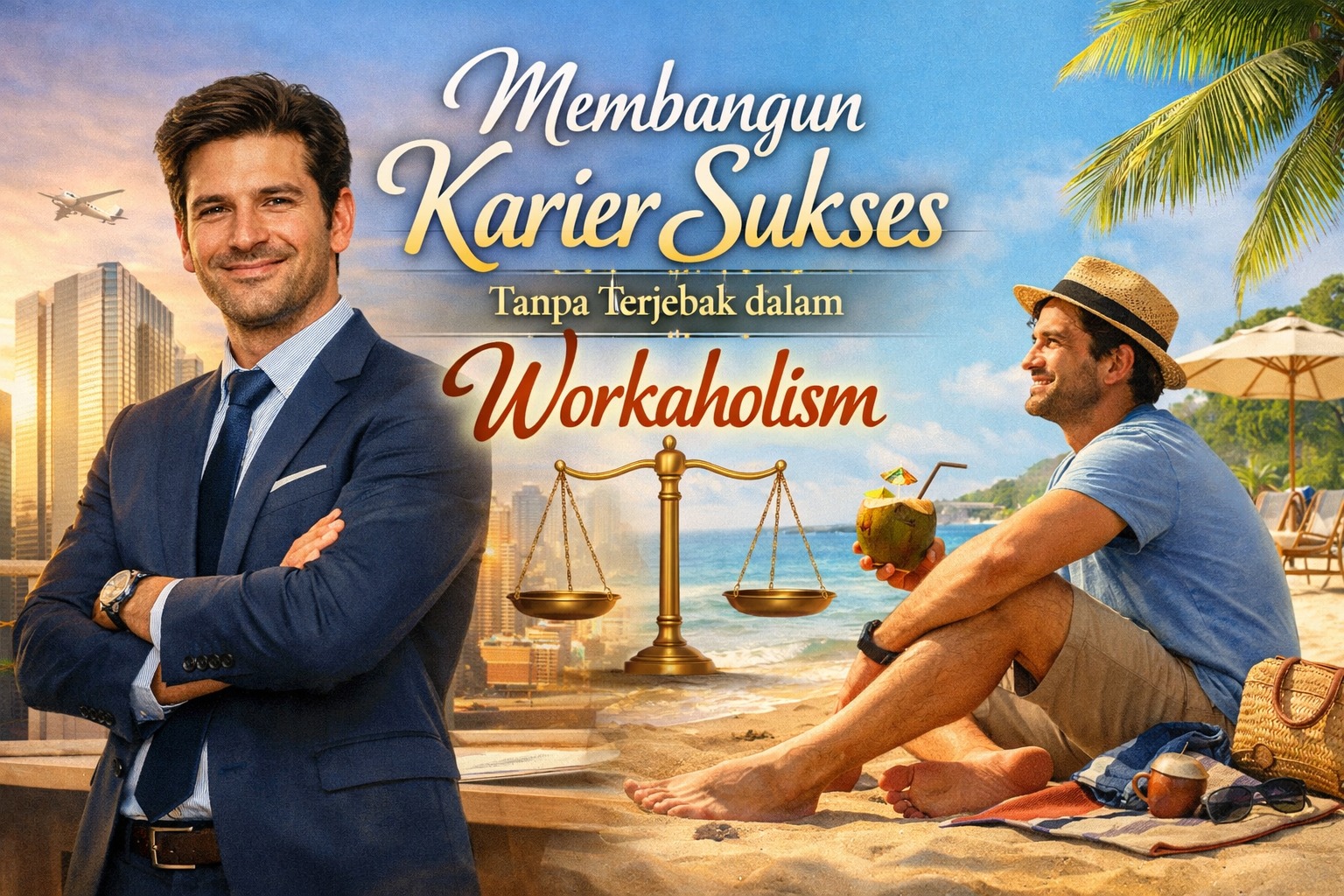
Today’s job market is evolving rapidly and becoming more competitive, influenced by technological changes, industry demands, and global dynamics. This situation requires individuals not only to have jobs but also to remain relevant and continuously develop. Therefore, the ability to strategically navigate the professional world is essential for sustaining and advancing a career.
UNDERSTANDING THE CHARACTERISTICS OF A COMPETITIVE WORK ENVIRONMENT
Changing Demands and Professional Standards
A competitive job market is marked by increasing demands for skills, productivity, and adaptability. Companies no longer seek individuals solely based on educational background but also value critical thinking, effective communication, and a willingness to learn. Understanding these changes helps individuals adapt to evolving professional standards.
Broader and More Open Competition
Competition is now wider and more open. Individuals compete not only with peers from the same institution but also with talent from diverse backgrounds. Awareness of this reality highlights the importance of long-term, well-planned career navigation strategies.
DEVELOPING A CAREER NAVIGATION STRATEGY
Setting Clear Career Direction and Goals
The first step in navigating the job market is defining clear career goals. These goals serve as guidance in making decisions, from choosing jobs to determining skill development priorities. Without clear direction, individuals risk losing focus amid intense competition.
Building a Gradual Career Plan
Effective career navigation requires step-by-step planning. Individuals need to understand their current position, desired targets, and realistic steps to achieve them. This planning helps maintain consistent career growth despite challenges.
DEVELOPING COMPETENCIES TO STAY RELEVANT
Continuous Skill Improvement
Relevance in the workplace depends on the willingness to keep learning. Both technical and non-technical skills should be developed continuously to keep up with industry demands. A proactive learning attitude is a key asset in staying competitive.
Strengthening Professional Soft Skills
In addition to technical expertise, soft skills play a crucial role in career navigation. Communication, teamwork, and emotional management significantly influence professional success. Strong soft skills help individuals adapt and grow in various work situations.
LEVERAGING EXPERIENCE AND PROFESSIONAL NETWORKS
Maximizing Every Work Experience
Every job experience is a valuable learning opportunity. Individuals should optimize these experiences to understand work patterns, organizational culture, and personal development. This approach strengthens professional value in the job market.
Building Strategic Professional Networks
Professional networking plays an important role in navigating a competitive job market. Healthy and professional relationships can open opportunities for collaboration and career advancement. Networking is not just about the number of connections but the quality of relationships built.
CONCLUSION
Navigating a competitive job market while staying relevant and growing requires understanding, strategy, and long-term commitment. By understanding workplace characteristics, creating career plans, developing competencies, and leveraging experience and networks, individuals can build a sustainable career path. Effective navigation helps face competition with greater confidence and direction.
Tentang Penulis
Gusti Ayu Tita
Penulis — Universitas STEKOM
Penulis aktif yang berfokus pada isu-isu akademik, teknologi pendidikan, dan pengembangan sumber daya manusia di lingkungan kampus.