
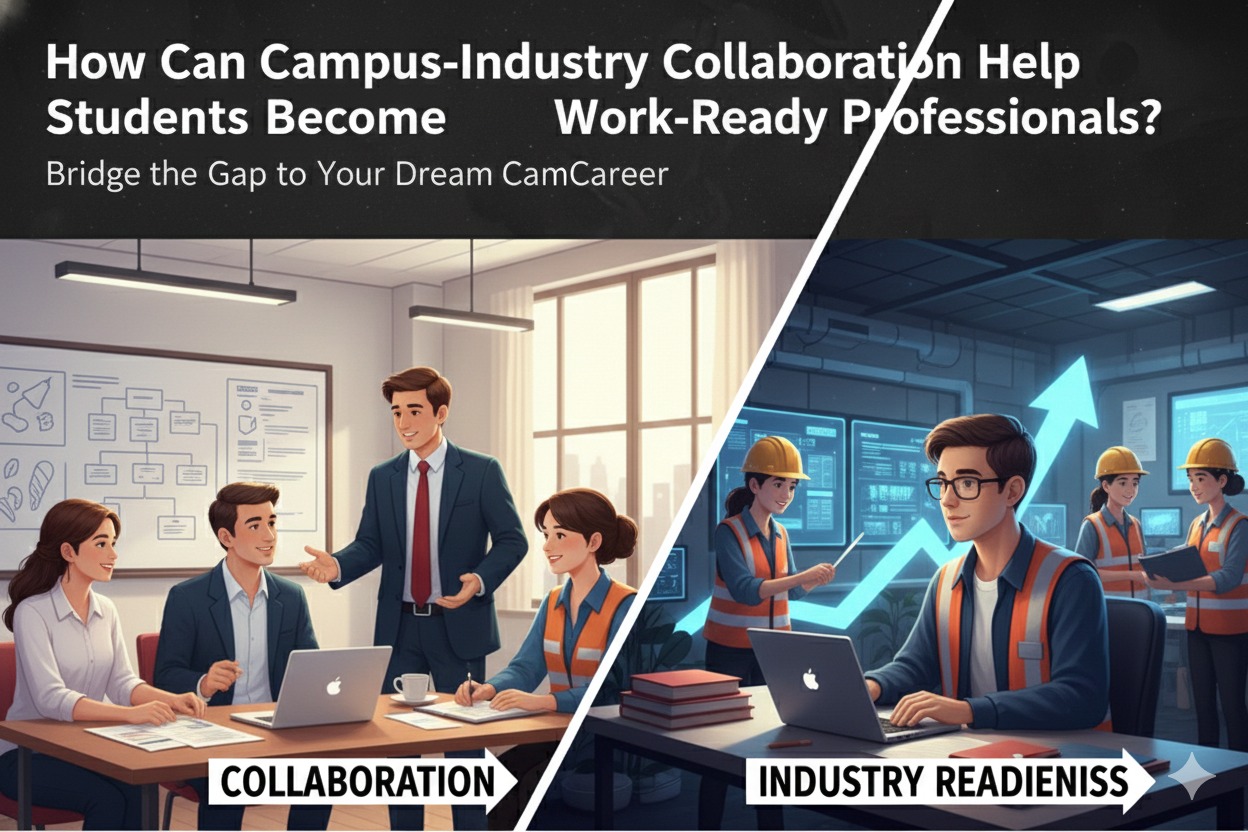
Amid increasingly intense competition in the job market, university students are required to possess more than just academic knowledge. They also need practical experience, professional networks, and a deep understanding of industry demands. This is why collaboration between universities and industry plays a crucial role in producing job-ready graduates.
1. Providing Direct Exposure to the Realities of the Workplace
Collaboration between universities and industry allows students to see firsthand how the concepts they learn in class are applied in real-world settings. This makes learning more relevant and contextual.
2. Offering Quality Internship Opportunities
Industry partners can provide internship programs that give students hands-on experience, real challenges, and insight into professional work culture. Students who participate in internships tend to be better prepared to enter the workforce after graduation.
3. Helping Students Build a Professional Portfolio
Industry collaboration often involves joint projects, competitions, or collaborative research. Students can use these opportunities to build credible and attractive portfolios that appeal to recruiters.
4. Bringing Industry Practitioners as Mentors
Through guest lectures, seminars, or workshops, universities can invite industry practitioners to share their experiences. Their presence helps students understand current trends, in-demand skills, and professional standards in the workplace.
5. Expanding Networks and Recruitment Opportunities
Connections with industry open doors for students to introduce themselves to recruiters. Many companies are more likely to trust candidates they have already encountered through internships, campus events, or collaborative projects.
6. Encouraging Universities to Align Curricula with Industry Needs
Industry collaboration helps universities stay informed about labor market demands. As a result, curricula can be updated to remain relevant and produce competitive graduates.
Conclusion
Collaboration between universities and industry not only enriches students’ learning experiences but also prepares them to become truly job-ready professionals. With real-world exposure, internship opportunities, mentoring, relevant curricula, and strong networks, students can enter the workforce with greater confidence.
Tentang Penulis
Gusti Ayu Tita
Penulis — Universitas STEKOM
Penulis aktif yang berfokus pada isu-isu akademik, teknologi pendidikan, dan pengembangan sumber daya manusia di lingkungan kampus.



