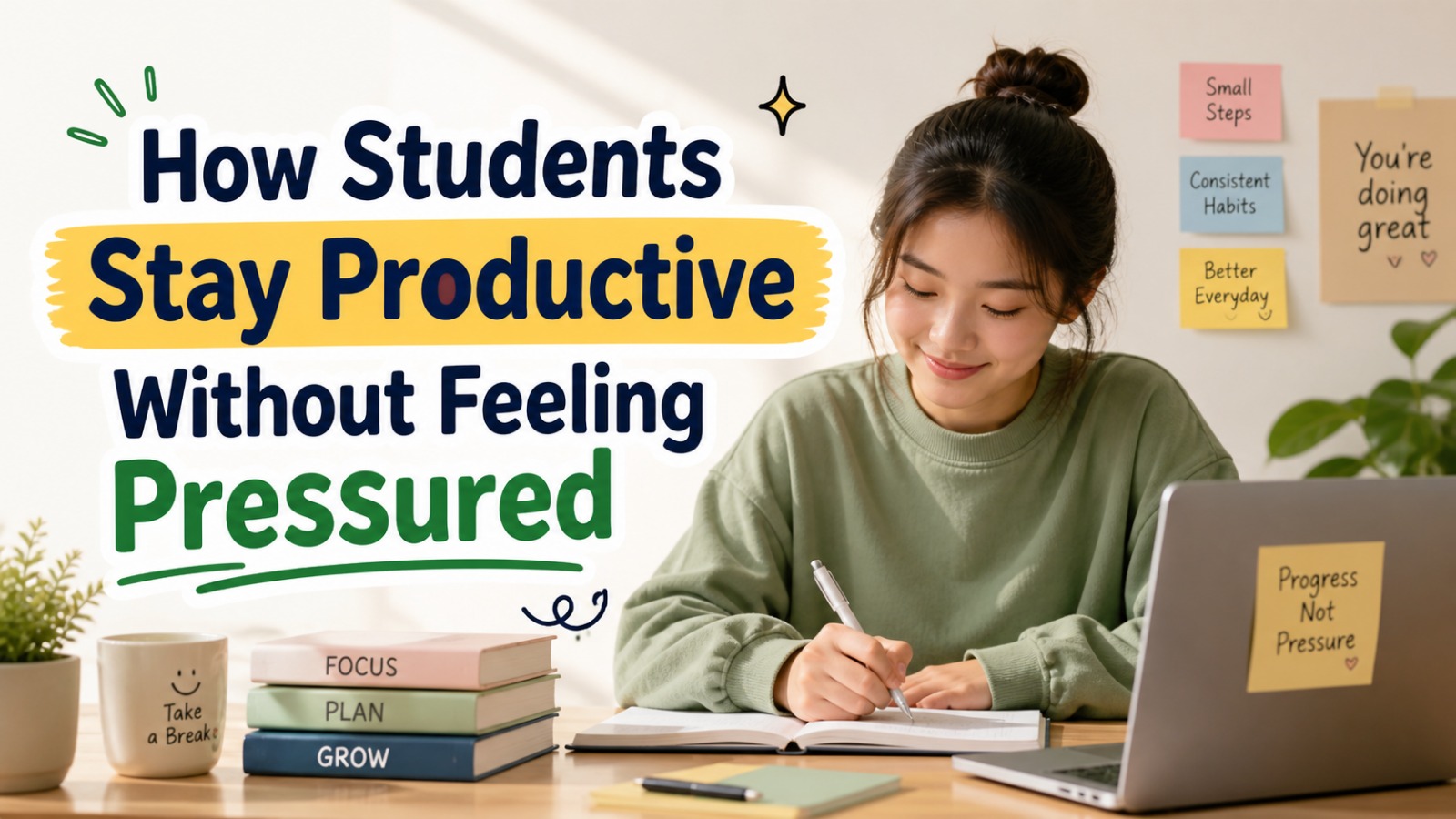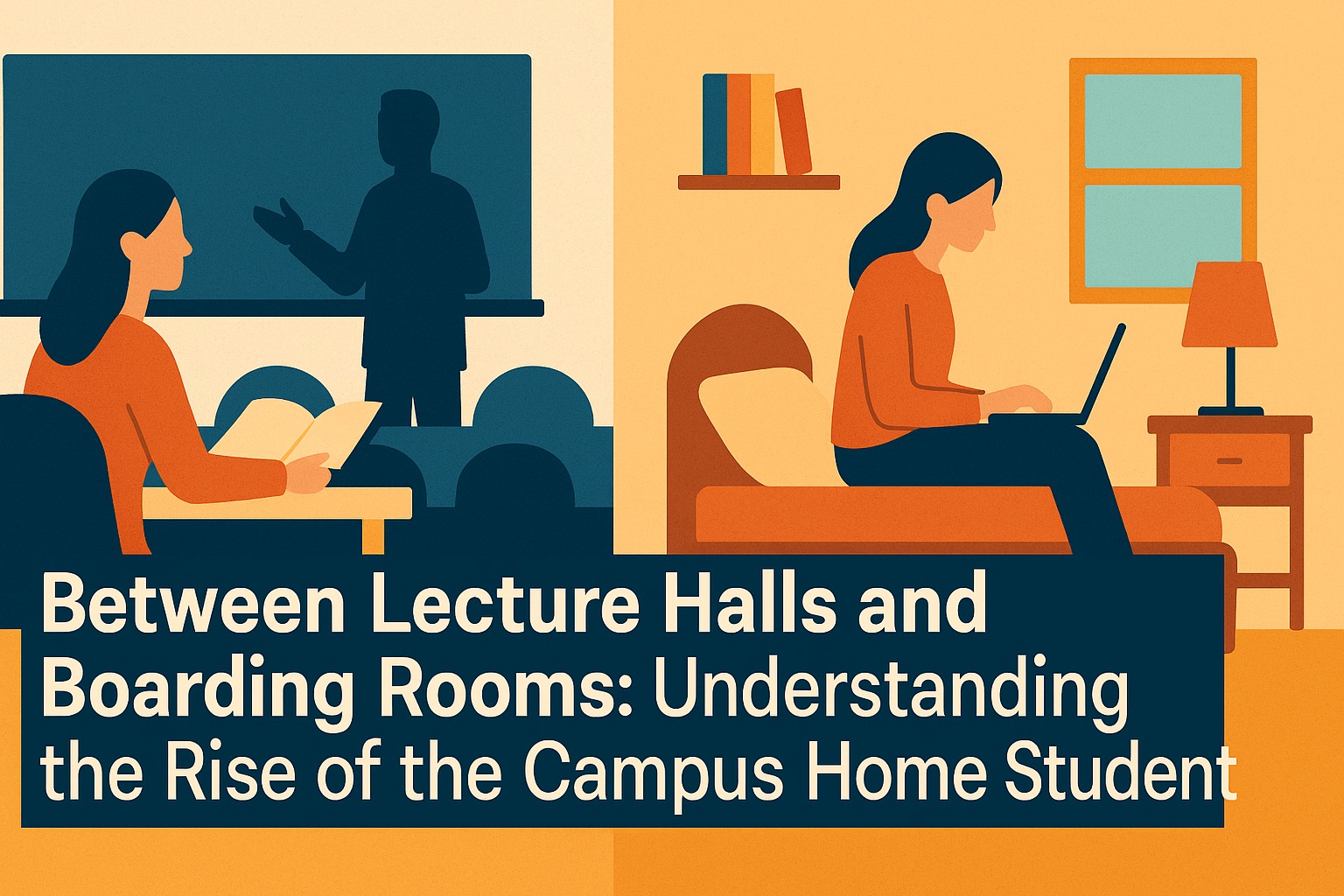
The university experience has traditionally been associated with vibrant campus life, student organizations, and dynamic social interaction. However, a growing number of students now divide their time strictly between lecture halls and boarding rooms. Known as homebody students, they represent a quiet shift in higher education culture—one where presence replaces participation, and efficiency outweighs exploration.
DEFINING THE HOME CAMPUS HOME STUDENT
The “home campus home” student is someone whose academic journey revolves around two main spaces: the classroom and their private living area. After lectures end, they rarely stay for discussions, extracurricular meetings, or social gatherings. Instead, they return home to study, rest, or engage in personal activities.
This pattern does not indicate laziness or lack of ambition. On the contrary, many of these students are academically responsible and highly goal-oriented. Their choice reflects a deliberate prioritization of structure and control over spontaneity and social immersion.
FACTORS DRIVING THIS TREND
Several social and personal factors contribute to the rise of homebody students:
Academic competition that emphasizes GPA over participation
Economic pressures that require careful time management
The normalization of independent study habits
Personality preferences such as introversion
The growing comfort of digital communication
In an era where productivity is often measured through grades and certifications, many students believe that minimizing external involvement helps maximize academic output.
THE IMPACT OF MODERN LIFESTYLE CHANGES
Technological advancements have reshaped how students experience university life. Online discussion forums, recorded lectures, and academic apps allow students to stay informed without being physically present in campus communities.
Moreover, urban living patterns—especially in large cities—encourage students to treat campus as a functional space rather than a social environment. The boarding room becomes a sanctuary where students feel safe, focused, and undistracted.
A SHIFT IN STUDENT PRIORITIES
Previous generations often saw campus organizations as essential for personal growth. Today, some students view them as optional additions. The primary mission becomes clear: graduate on time, secure good grades, and prepare for employment.
This pragmatic perspective aligns with increasing career uncertainty. Students may feel that academic credentials offer more security than social recognition within campus circles.
BENEFITS OF A STRUCTURED ROUTINE
The home campus home lifestyle offers distinct advantages:
Reduced exposure to social distractions
Improved academic concentration
More flexible personal scheduling
Stronger self-discipline
For students who thrive in independent environments, this routine can lead to impressive academic achievements.
THE RISK OF SOCIAL DISCONNECTION
Despite its advantages, limited campus engagement can restrict opportunities for networking and collaboration. University is often the first environment where students learn teamwork, leadership, and communication in diverse groups.
Without these experiences, graduates may enter professional life with excellent transcripts but limited interpersonal exposure.
FINDING A HEALTHY BALANCE
Understanding the rise of homebody students requires empathy rather than criticism. Their choices often stem from practical considerations and personal comfort. However, balance remains crucial.
Participating in one meaningful organization, joining small study groups, or attending occasional campus events may provide valuable social development without sacrificing academic focus.
CONCLUSION
The rise of the home campus home student reflects broader changes in educational priorities and lifestyle preferences. As students navigate between lecture halls and boarding rooms, they redefine what campus life means in the modern era. The challenge moving forward is not to eliminate this lifestyle, but to ensure it supports both academic excellence and holistic growth.
Tentang Penulis
Gusti Ayu Tita P
Penulis — Universitas STEKOM
Penulis aktif yang berfokus pada isu-isu akademik, teknologi pendidikan, dan pengembangan sumber daya manusia di lingkungan kampus.