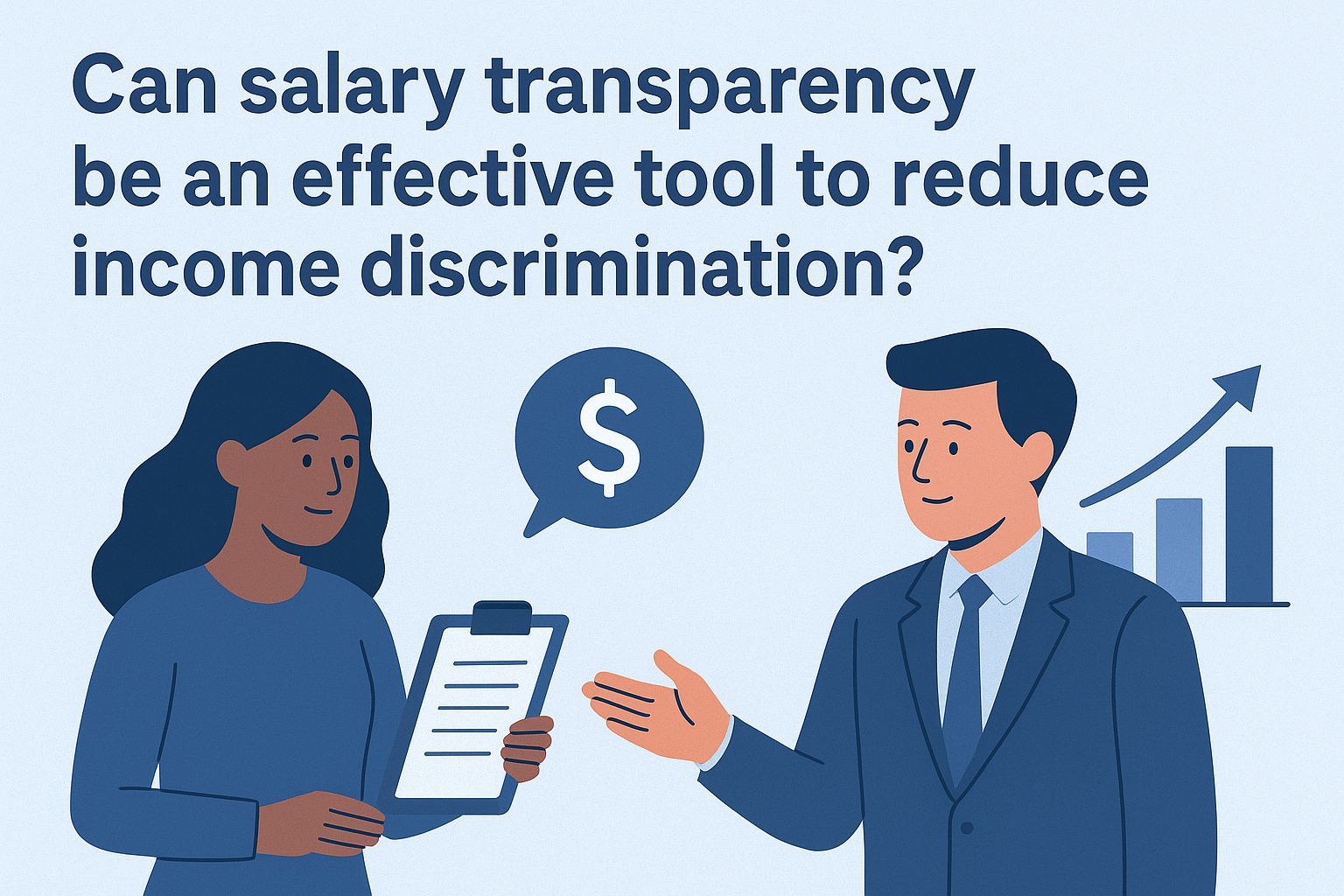
Salary transparency has become a global topic that is increasingly discussed. Many countries are beginning to adopt pay transparency policies, whether in the form of publishing salary ranges, reporting wage gaps, or requiring companies to disclose their compensation structures openly. These initiatives stem from the need to address income inequality, which for decades has been difficult to track due to the private nature of salary information.
How Salary Transparency Works and Its Implementation Forms
Mandablitory pucation of salary ranges — companies list the minimum and maximum pay for job vacancies, allowing applicants to understand the compensation standards upfront.
Wage gap reporting — some countries require large companies to report comparisons of salaries based on gender, age, or other demographic groups.s
internal structure disclosure — employees can view job levels, benefits, and salary ranges for each role, reducing opportunities for manipulative negotiations.
Evidence That Salary Transparency Reduces Gender and Racial Discrimination
Easier data monitoring — HR teams and regulators can oversee unfair pay practices because the numbers are visible rather than hidden in individual negotiations.
Greater confidence for minority employees — they can compare their compensation with open company standards, making potential discrimination easier to detect.
Research supports its impact — multiple studies from European countries show that companies with transparency policies experience a significant reduction in gender pay gaps.
Positive Impacts on Negotiation and Employee Fairnes
Healthier negotiations — applicants and employees are no longer “blind” to compensation standards.
Increased trust — transparency makes companies appear more fair, strengthening employee loyalty and retention.
Minimized managerial bias — salary decisions must rely on data and structure, not personal preferences.
Risks and Challenges in Implementing Salary Transparency
Potential internal conflict — employees may question pay differences they were previously unaware of.
Need for restructuring compensation systems — companies with inconsistent structures must reorganize their compensation frameworks, requiring time and financial investment.
Cultural discomfort — organizations accustomed to secrecy may experience resistance from management or senior employees.
Lessons from Countries and Industries That Have Successfully Implemented It
Northern Europe — countries like Iceland and Norway enforce mandatory pay audits, which have significantly reduced gender pay disparities.
Technology industry — several major tech companies publish their compensation structures to increase public trust and attract high-quality talent.
Public institutions — government sectors demonstrate that salary transparency can create a more systematically fair work environment.
Conclusion
Salary transparency is not a standalone solution for eliminating income discrimination, but global evidence shows that it can significantly reduce inequality when implemented consistently and systematically. With clear compensation structures, employees are better protected from bias, negotiations become more objective, and companies are encouraged to build a fairer workplace culture.
Tentang Penulis
Gusti Ayu Tita
Penulis — Universitas STEKOM
Penulis aktif yang berfokus pada isu-isu akademik, teknologi pendidikan, dan pengembangan sumber daya manusia di lingkungan kampus.