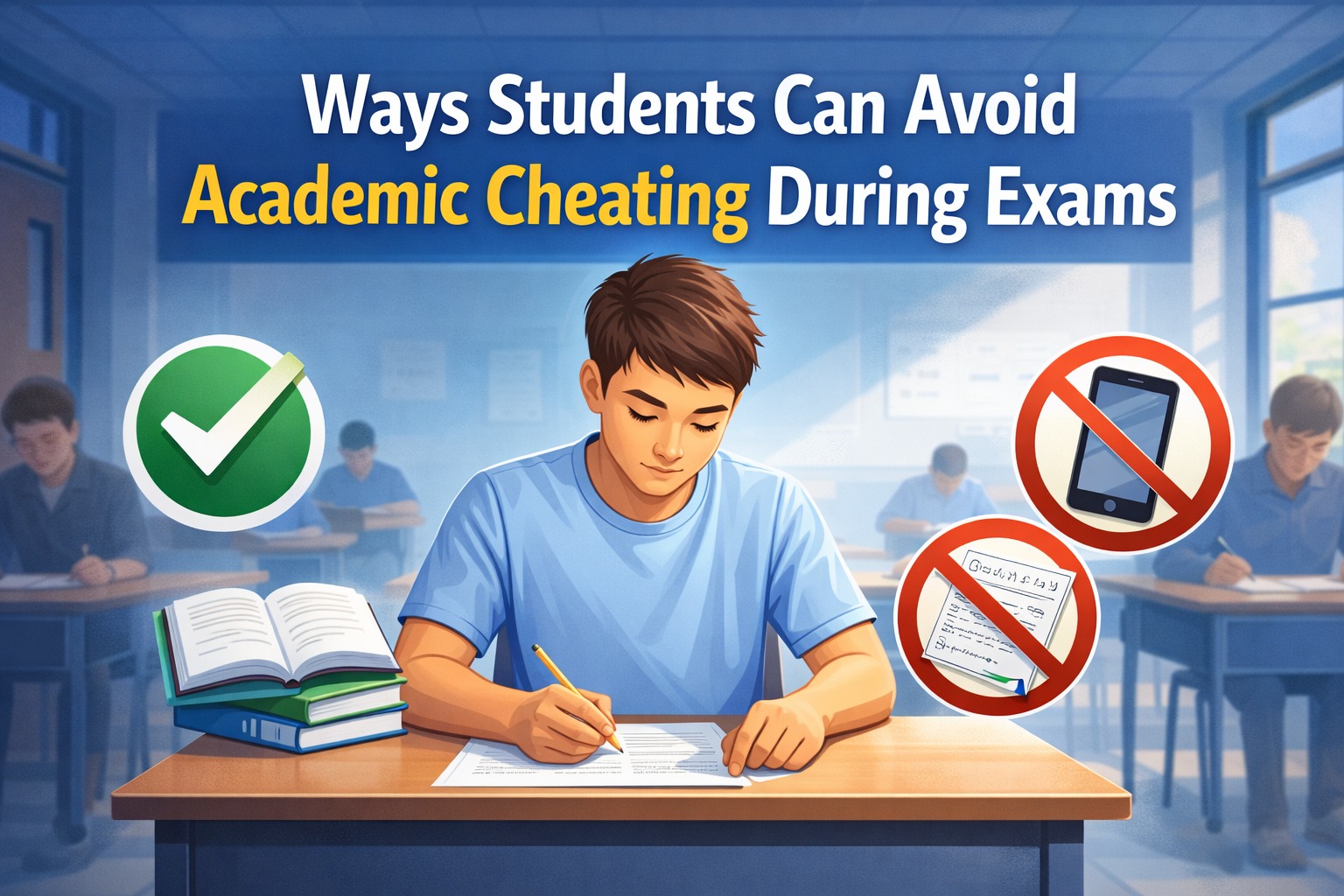
Academic cheating remains a serious challenge in higher education. Pressure to achieve high grades, demands to graduate on time, and lack of preparation often push students to engage in dishonest behavior during exams. In fact, academic cheating not only harms educational institutions but also negatively affects students’ integrity and future careers. Therefore, it is important for students to understand how to consciously and responsibly avoid academic cheating during exams.
UNDERSTANDING THE IMPACT OF ACADEMIC CHEATING
The first step to avoiding academic cheating is understanding its consequences. Cheating during exams can lead to academic sanctions, ranging from receiving a zero, failing a course, to expulsion from the university. Moreover, dishonest habits can shape negative character traits that carry over into professional life. Students who uphold academic integrity are more likely to be trusted and respected in the future.
PREPARING EARLY
Thorough preparation is the key to preventing students from being tempted to cheat. Creating a study schedule, reviewing materials gradually, and actively participating in lectures can improve understanding of exam content. With good preparation, panic and fear during exams can be minimized, allowing students to confidently complete exams independently.
MANAGING STRESS AND ACADEMIC PRESSURE
Academic pressure is often a major trigger for cheating. Students need to develop good stress management skills, such as getting enough rest, maintaining a healthy diet, and taking time to relax. In addition, discussing learning difficulties with friends or lecturers can help reduce mental burdens before exams.
INSTILLING ACADEMIC HONESTY VALUES
Academic honesty is not merely a campus regulation but a moral value students must uphold. Developing awareness that exam results reflect one’s own effort and ability encourages students to act honestly. By maintaining integrity, students learn to take responsibility for their learning process.
USING LEARNING RESOURCES ETHICALLY
Students are allowed to use various learning resources, such as books, journals, and group discussions, as long as they are used before exams and in accordance with regulations. Understanding the boundaries between studying together and collaborating dishonestly during exams is essential to avoid violating academic ethics. This approach helps students improve understanding without engaging in cheating.
BEING FIRM AGAINST CHEATING INVITATIONS
Peer influence also affects academic behavior. Students need to be brave enough to refuse invitations to cheat or collaborate unfairly during exams. This firm attitude reflects maturity and commitment to honesty, while also protecting oneself from academic sanctions.
CONCLUSION
Avoiding academic cheating during exams is the responsibility of every student. By understanding the negative impact of cheating, preparing properly, managing stress, and upholding honesty, students can face exams calmly and with dignity. Academic integrity is not just about rules—it is an investment in character for a better future.
Tentang Penulis
Gusti Ayu Tita
Penulis — Universitas STEKOM
Penulis aktif yang berfokus pada isu-isu akademik, teknologi pendidikan, dan pengembangan sumber daya manusia di lingkungan kampus.