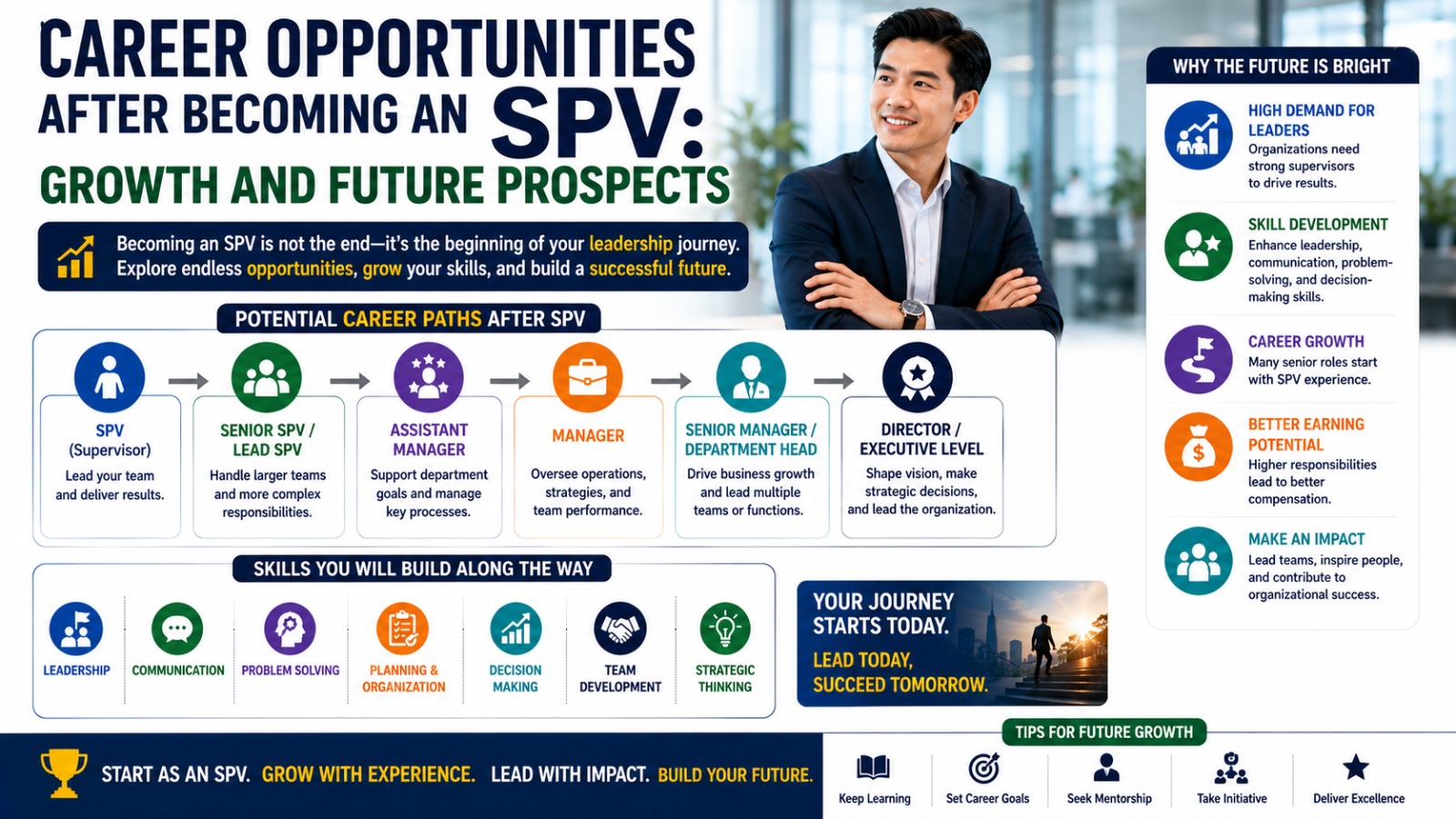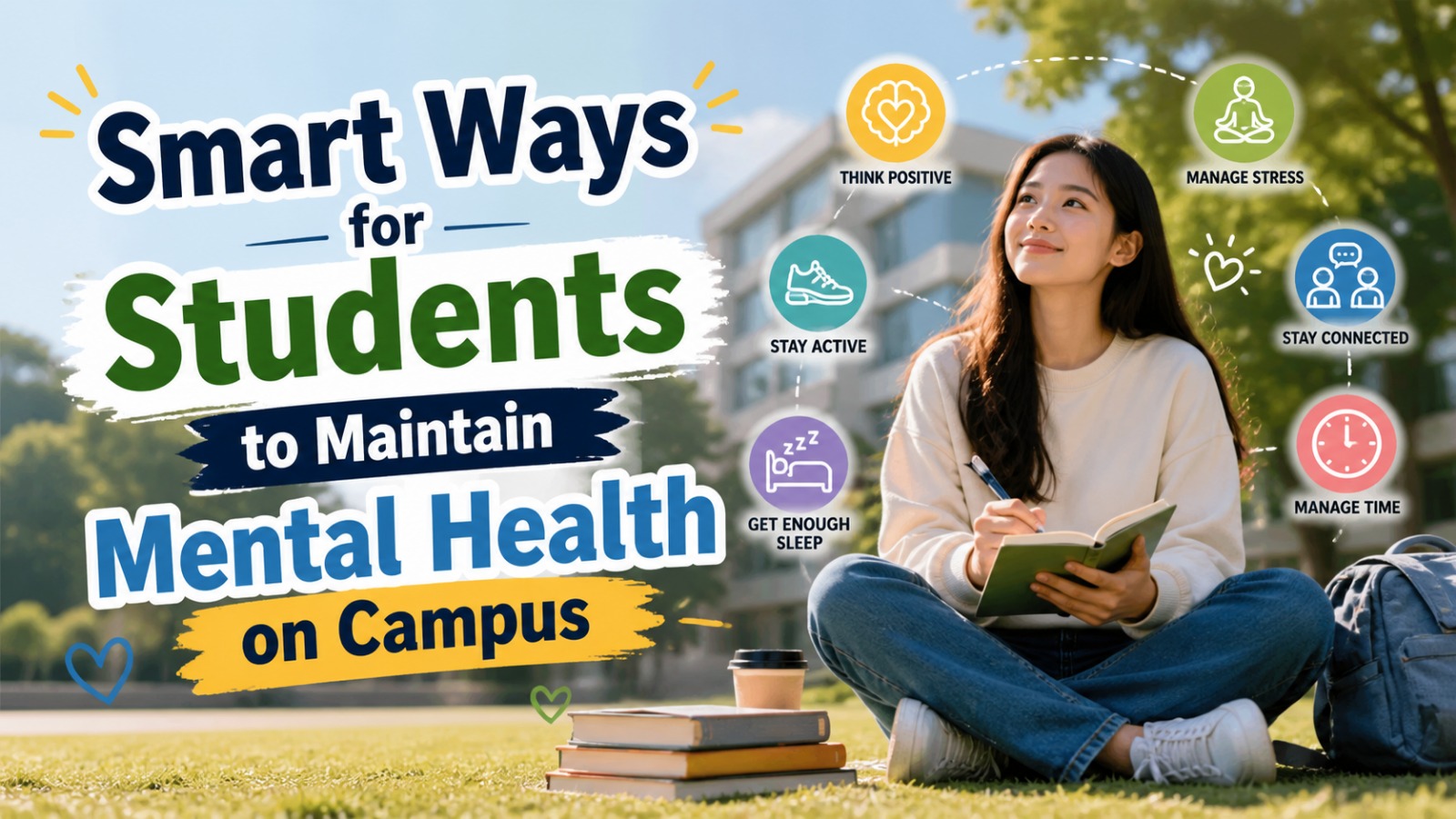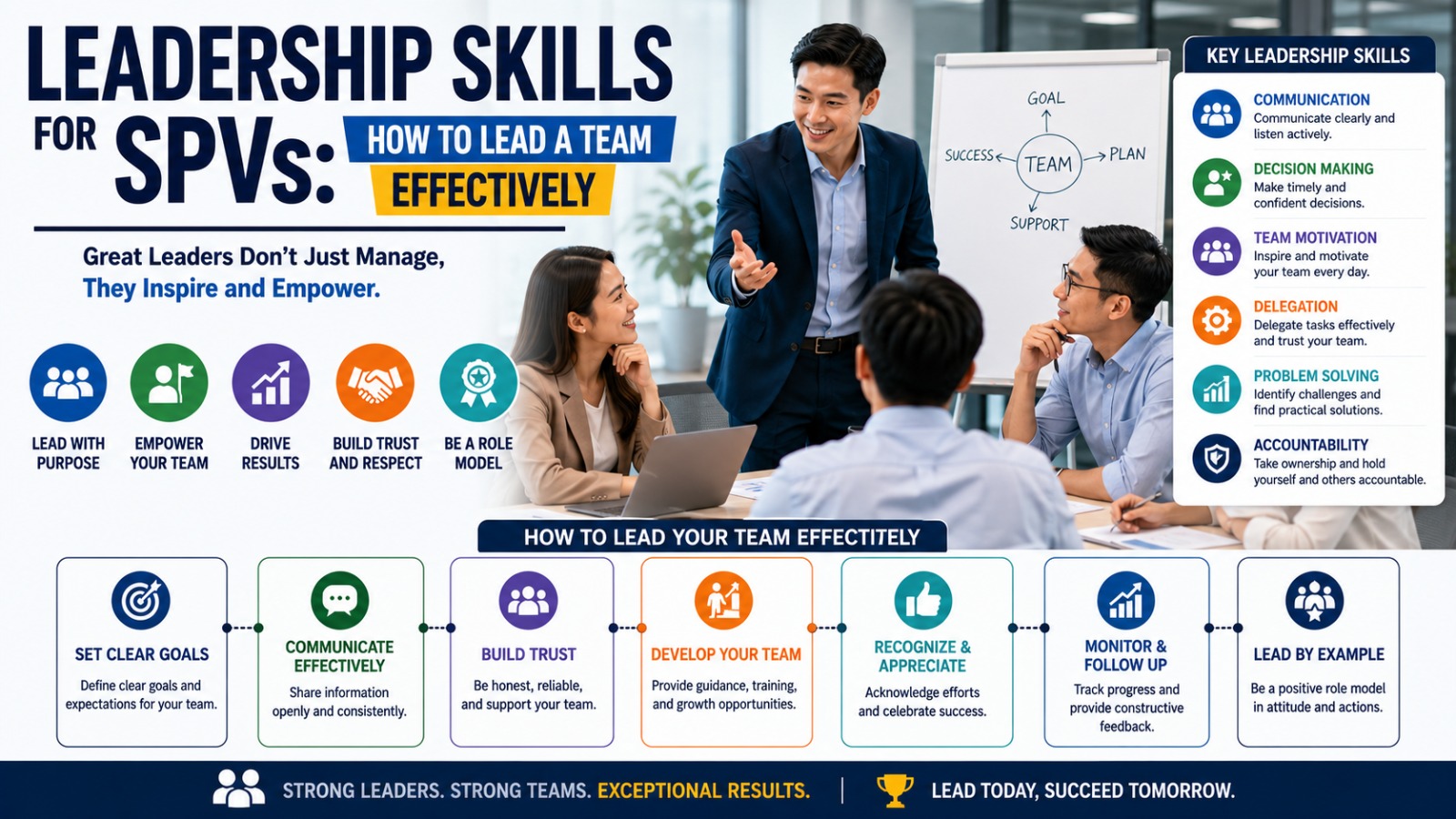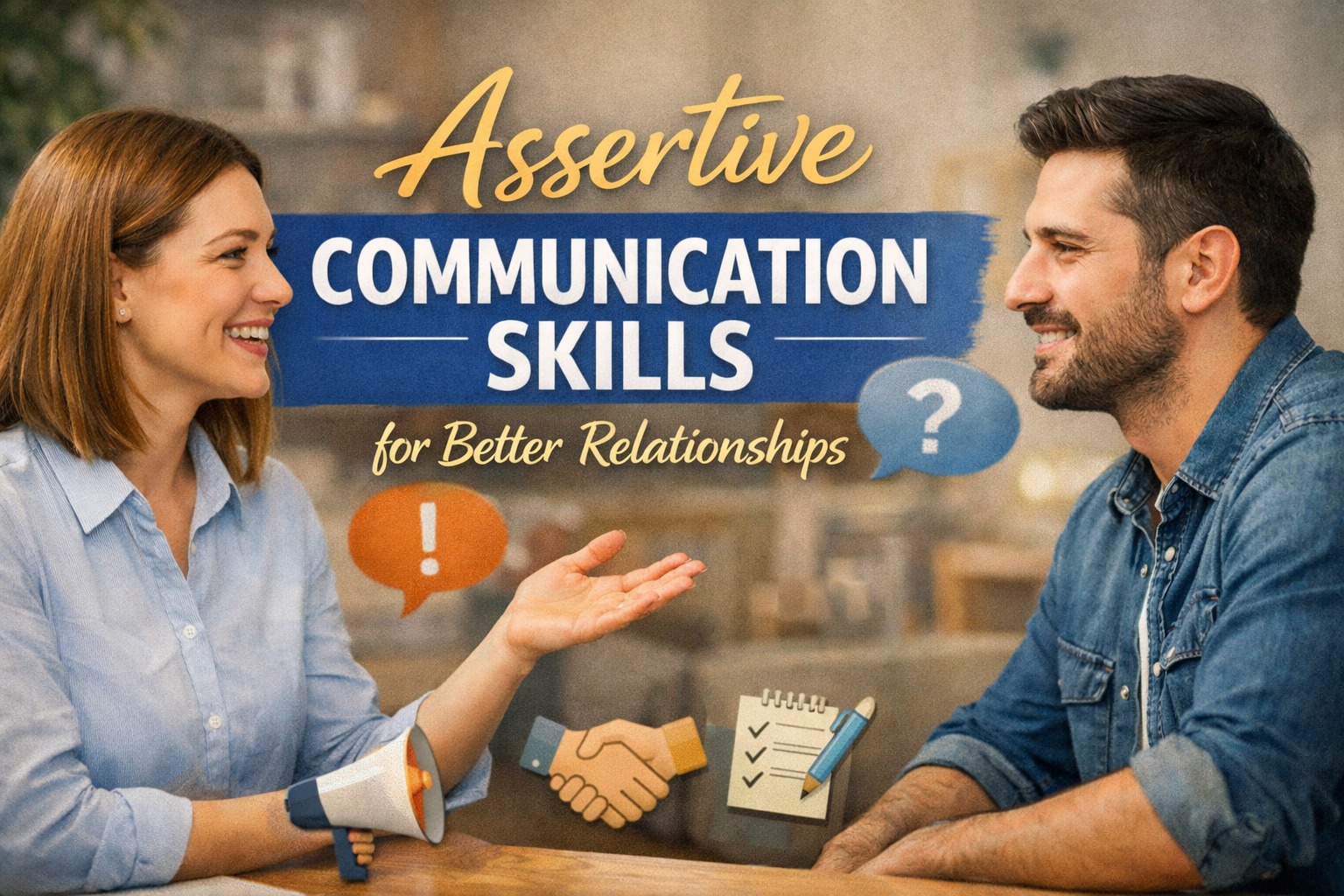
In today’s increasingly competitive job market, academic abilities alone are not enough to guarantee career success. Companies now place greater value on individuals who possess non-academic skills such as communication, leadership, and teamwork. Therefore, students need to understand how to develop these skills early to be better prepared for the professional world.
BEING ACTIVE IN ORGANIZATIONS
Organizations as a Platform for Self-Development
Participating in campus organizations helps students develop leadership, responsibility, and communication skills. Through regular activities, students learn how to work in teams and handle various situations professionally.
Field Experience Builds Character
Committee work and organizational programs teach students discipline, time management, and effective problem-solving skills.
PARTICIPATING IN EXTRACURRICULAR ACTIVITIES
Extracurricular Activities Enhance Interests and Talents
Activities such as sports, arts, or creative communities help students build self-confidence and social skills.
Social Interaction Improves Soft Skills
Through interaction with diverse individuals, students learn to adapt and communicate more effectively.
DEVELOPING COMMUNICATION SKILLS
Effective Communication Supports Success
Students need to practice speaking and writing skills in order to express ideas clearly and confidently.
Discussions and Presentations as Training Tools
Academic activities can be used as opportunities to improve professional communication skills.
STRENGTHENING TEAMWORK SKILLS
Collaboration Enhances Performance
Group work helps students learn to appreciate differences and complete tasks collectively.
Tolerance Strengthens Professional Relationships
Students learn to manage conflict and build healthy cooperation.
IMPROVING TIME MANAGEMENT SKILLS
Time Management Boosts Productivity
Students who manage their time well tend to be more focused and organized.
Discipline Reflects Professionalism
Punctuality is an important indicator of responsibility and professional attitude.
CONCLUSION
Developing non-academic skills is a crucial step for students in preparing for the world of work. Through organizational involvement, extracurricular activities, active communication, teamwork, and time management, students can build strong professional character. These skills will serve as valuable assets for achieving career success in the future.
Tentang Penulis
Gusti Ayu Tita
Penulis — Universitas STEKOM
Penulis aktif yang berfokus pada isu-isu akademik, teknologi pendidikan, dan pengembangan sumber daya manusia di lingkungan kampus.