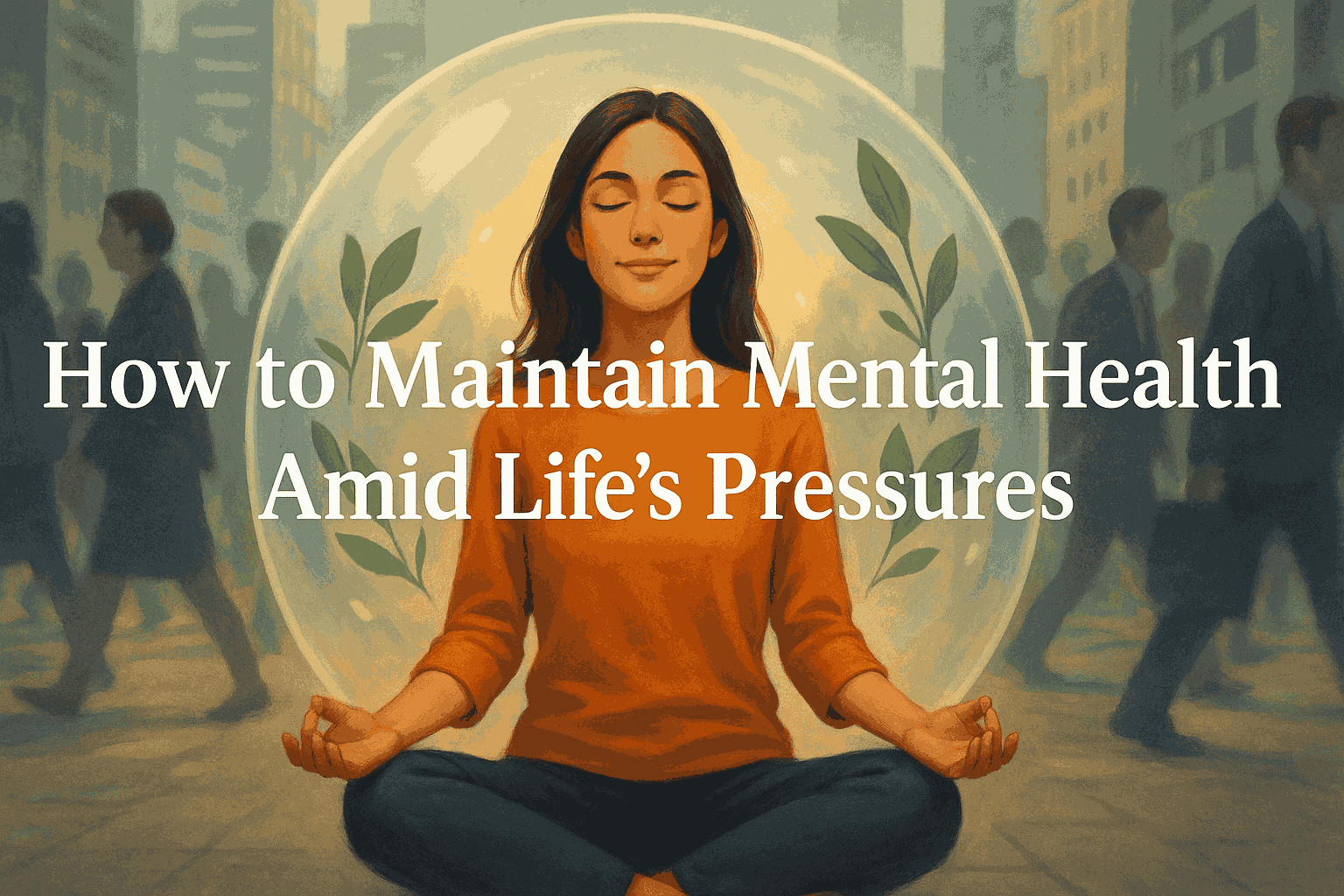
Life's pressures are inevitable. Whether it's work-related stress, family problems, or social expectations, these challenges can significantly impact a person’s mental well-being. Maintaining mental health during difficult times is essential to functioning effectively in daily life. In this article, we’ll explore practical and effective ways to take care of your mental health amid life’s constant pressures.
1. ACLNOWLEDGE AND ACCEPT YOUR EMOTIONS
The first step in protecting your mental health under pressure is to recognize and accept your emotions. Feelings of anxiety, fear, or stress are natural reactions to challenging situations. Don’t suppress or ignore them—acknowledge these feelings and give yourself permission to experience them. Acceptance helps you process emotions more effectively and cope with pressure more constructively.
2. SET HEALTHY BOUNDARIES
One of the main sources of stress is having too many obligations. Learn to say “no” when you’re overwhelmed. Setting boundaries protects your mental energy and helps you focus on priorities without stretching yourself too thin. Boundaries are not selfish—they are a form of self-care that allows you to function more sustainably.
3. MAKE TIME TO REST
When life feels overwhelming, it’s important to take breaks. Adequate rest is essential for both mental and physical health. Step away from your problems temporarily by doing relaxing activities like reading, listening to music, or walking in nature. Taking time to recharge can help you return to challenges with a clearer mind and renewed energy.
4. FOCUS ON WHAT YOU CAN CONTROL
A common cause of stress is feeling powerless. To counter this, focus on what’s within your control. Break tasks into manageable steps, create a to-do list, and prioritize accordingly. Regaining a sense of control, even over small actions, can significantly reduce anxiety and improve mental resilience.
5. MAINTAN WORK-LIFE BALANCE
Balancing professional and personal life is crucial for mental well-being. Overworking can lead to burnout and cause you to neglect personal relationships and self-care. Set a realistic schedule that includes time for rest, hobbies, and social connections. A balanced lifestyle fosters emotional stability and satisfaction.
6. MANAGE STRESS WITH RELAXATION TECHNIQUES
Incorporate mindfulness practices like meditation, deep breathing, or yoga into your daily routine. These techniques calm your nervous system, lower stress levels, and improve concentration. Deep breathing, for example, helps manage anxiety in the moment, while regular meditation builds long-term emotional resilience.
7. PRACTICE A HEALTHY LIFESTYLE
Your mental and physical health are closely linked. Eating nutritious foods, exercising regularly, and getting enough sleep all contribute to emotional balance. Physical activity releases endorphins, known as “feel-good” hormones, while sufficient sleep reduces stress and supports cognitive functioning.
8. STAY CONNECTED WITH SOCIAL SUPPORT
Don’t isolate yourself. Reaching out to trusted friends or family members can provide emotional relief and valuable perspective. Sharing your struggles with someone who listens and understands is incredibly therapeutic. Strong social support is a powerful buffer against life’s pressures.
9. AVOID DESTRUCTIVE HABITS
When stressed, some people turn to unhealthy coping mechanisms like excessive drinking, smoking, or overeating. These habits may provide temporary relief but ultimately worsen your mental and physical condition. Choose positive coping strategies like journaling, exercising, or speaking with someone instead.
10. DON’T HESITATE TO SEEK PROFESIONAL HRLP
If life’s pressures become too much to handle on your own, there is no shame in seeking professional help. Therapists, psychologists, or counselors can guide you through stress management techniques tailored to your situation. Professional support can empower you to regain control and protect your mental health long-term.
CONSLUSION
Managing mental health during life’s pressures is a challenge, but it’s not impossible. By acknowledging emotions, setting boundaries, balancing responsibilities, and building social connections, you lay the foundation for emotional resilience. Add to that healthy routines and relaxation techniques, and you’ll be better equipped to face any challenge. And when things feel too heavy, remember—seeking help is a sign of strength, not weakness.
Tentang Penulis
Gusti Ayu Tita
Penulis — Universitas STEKOM
Penulis aktif yang berfokus pada isu-isu akademik, teknologi pendidikan, dan pengembangan sumber daya manusia di lingkungan kampus.