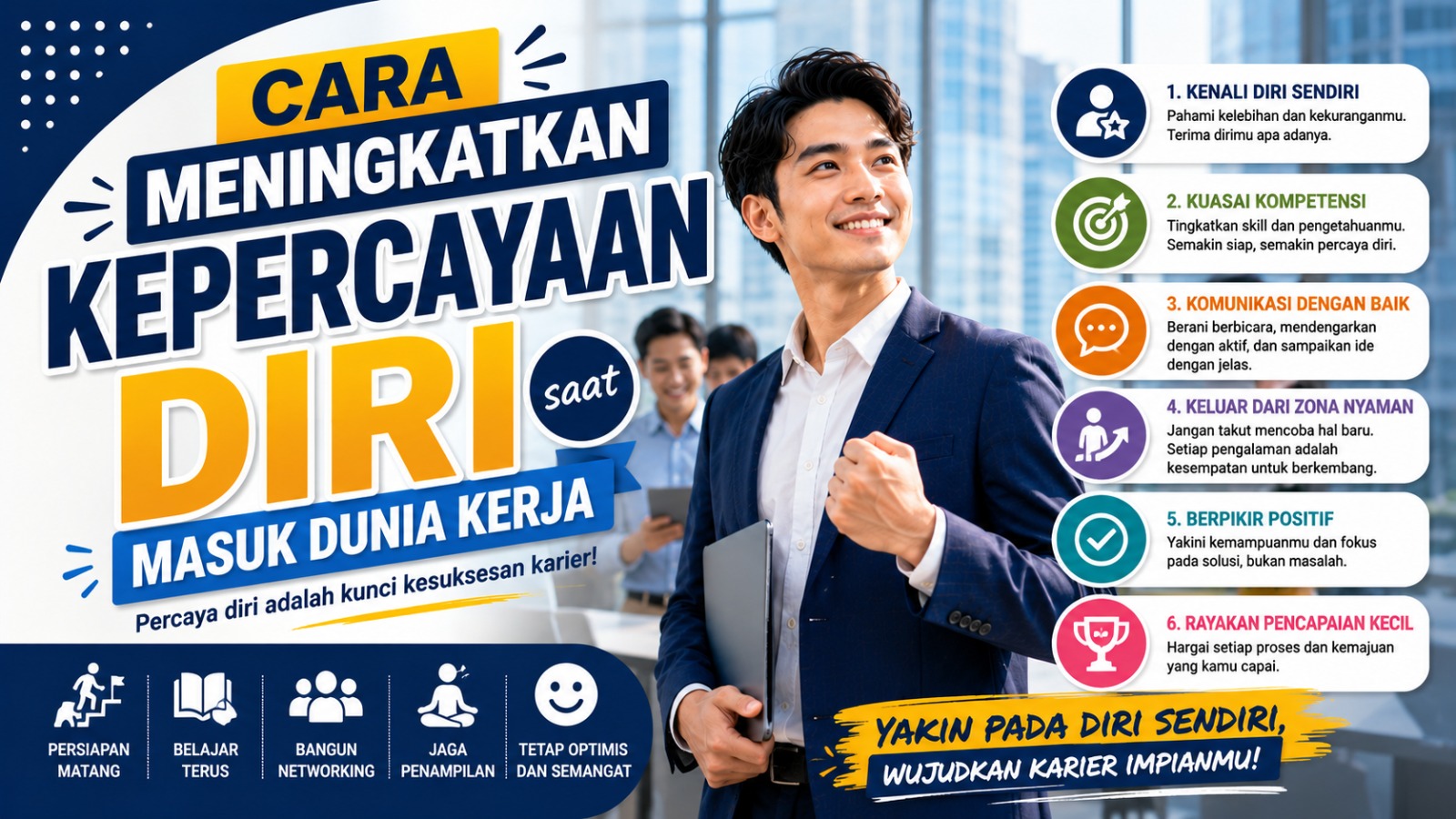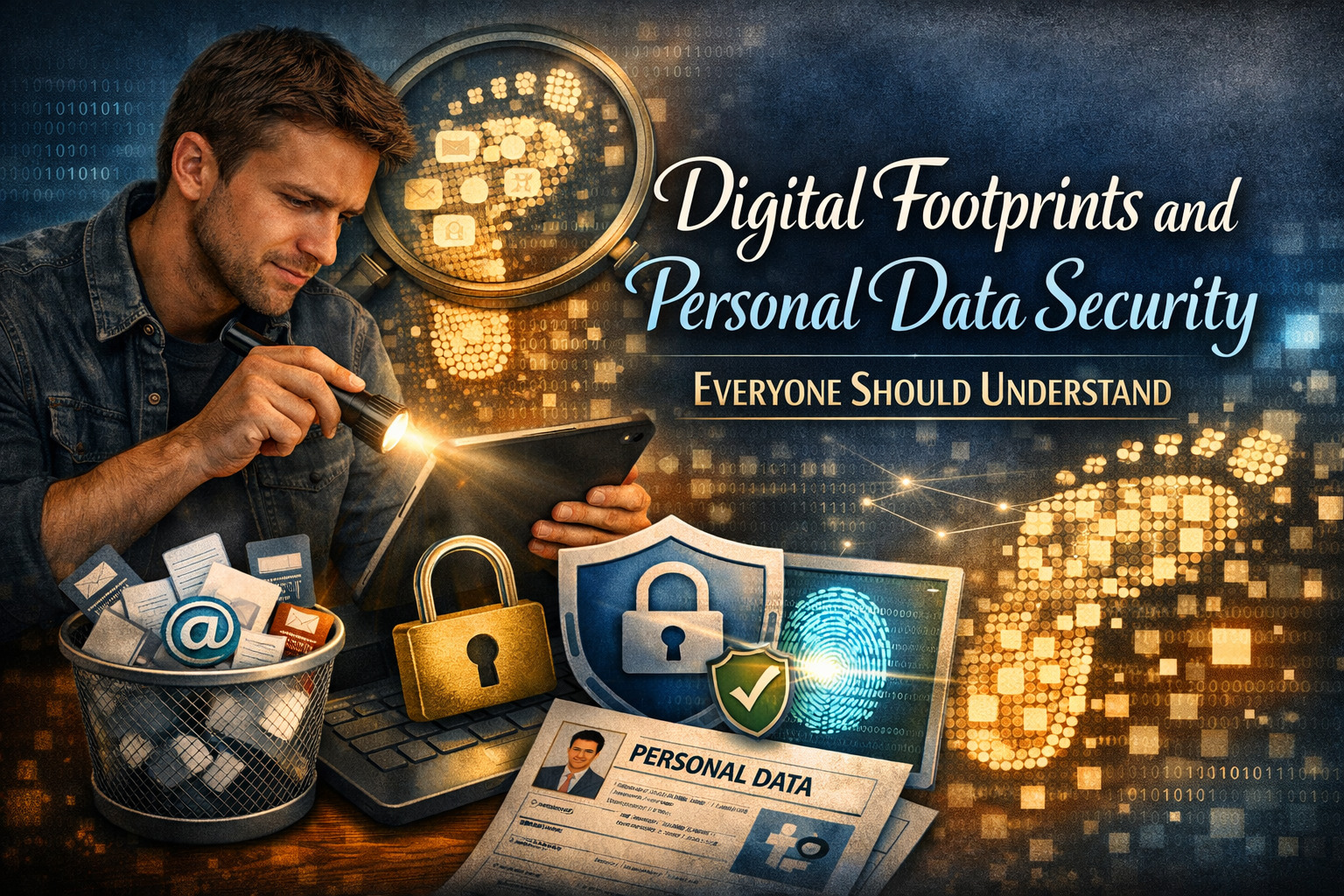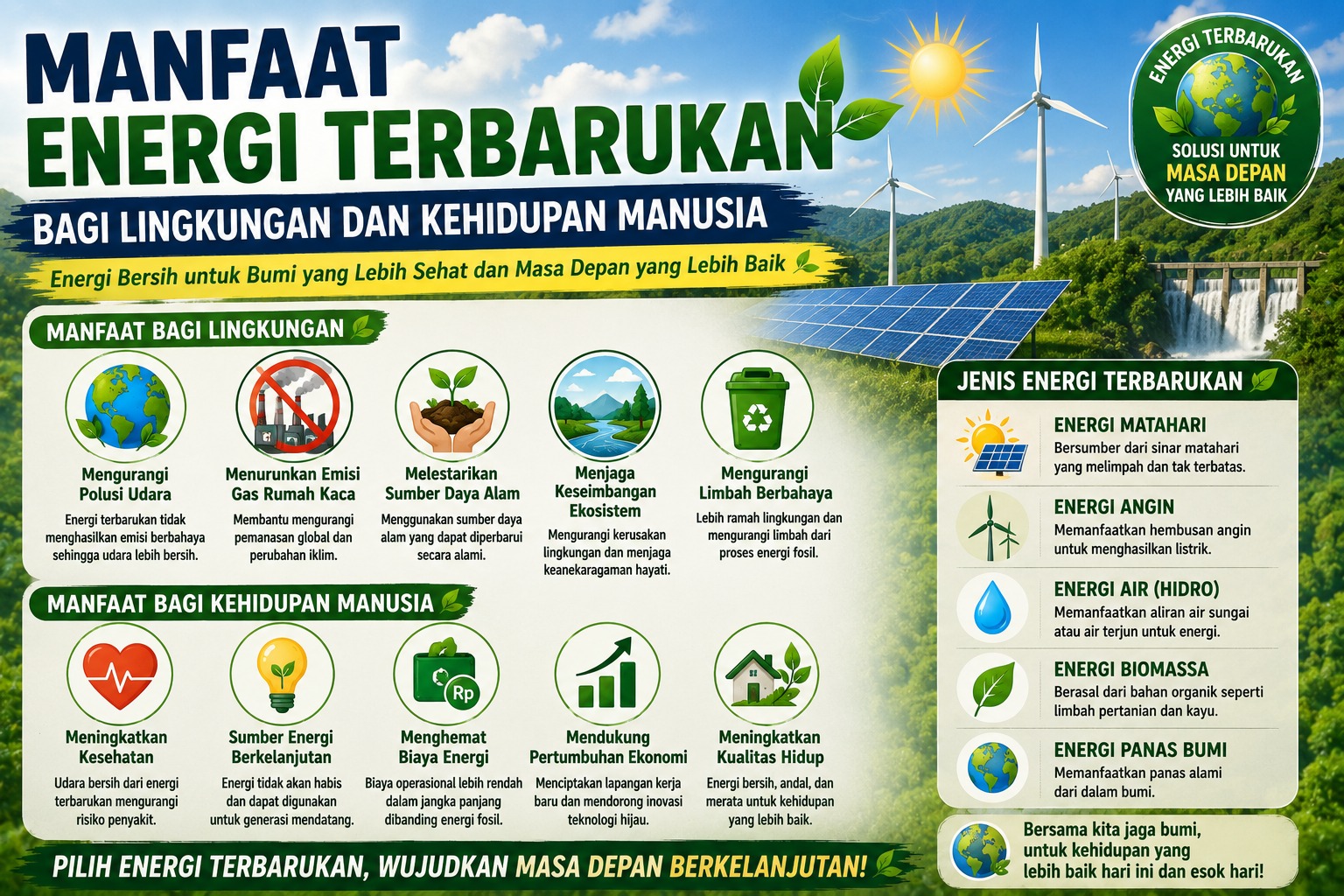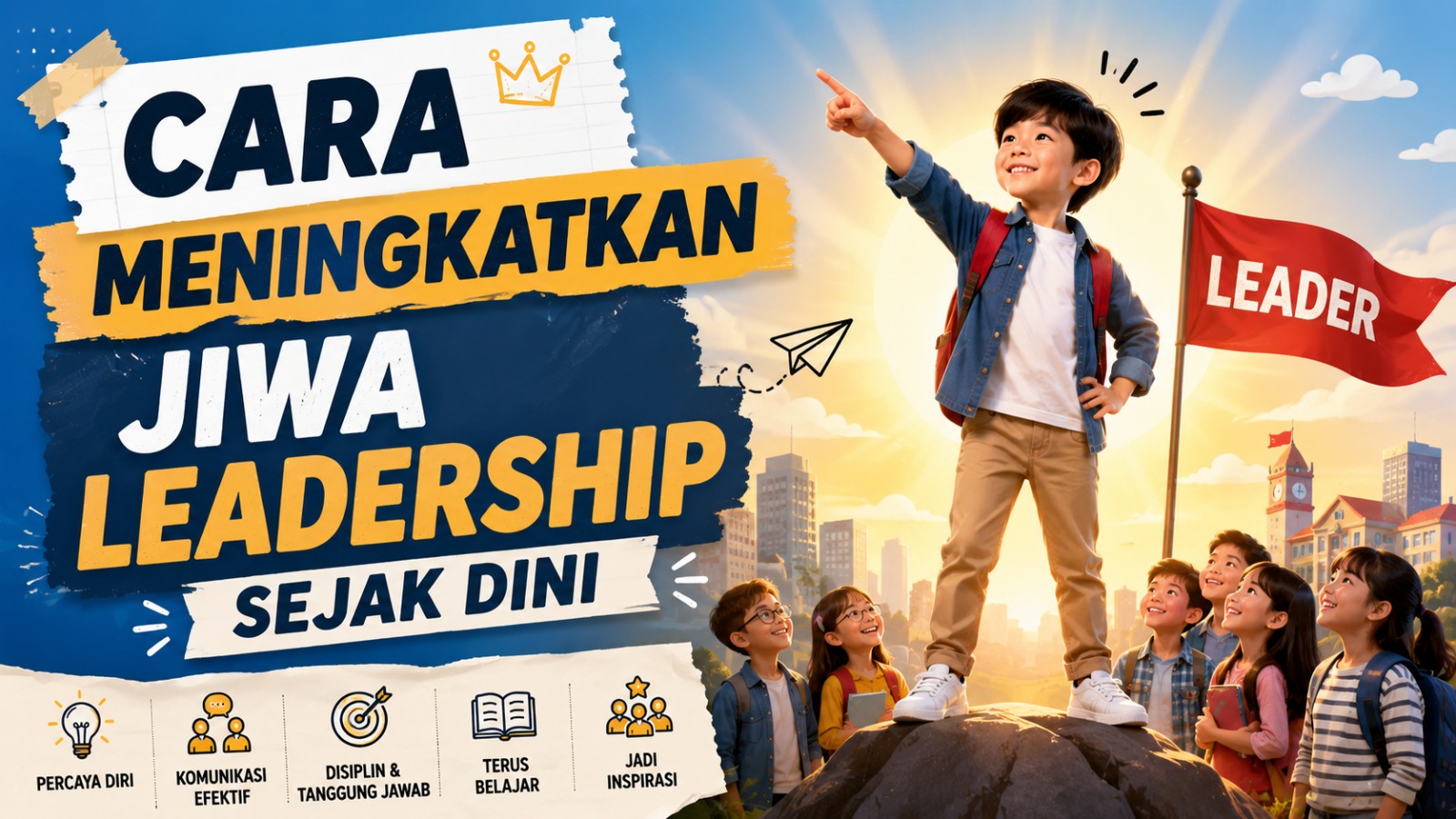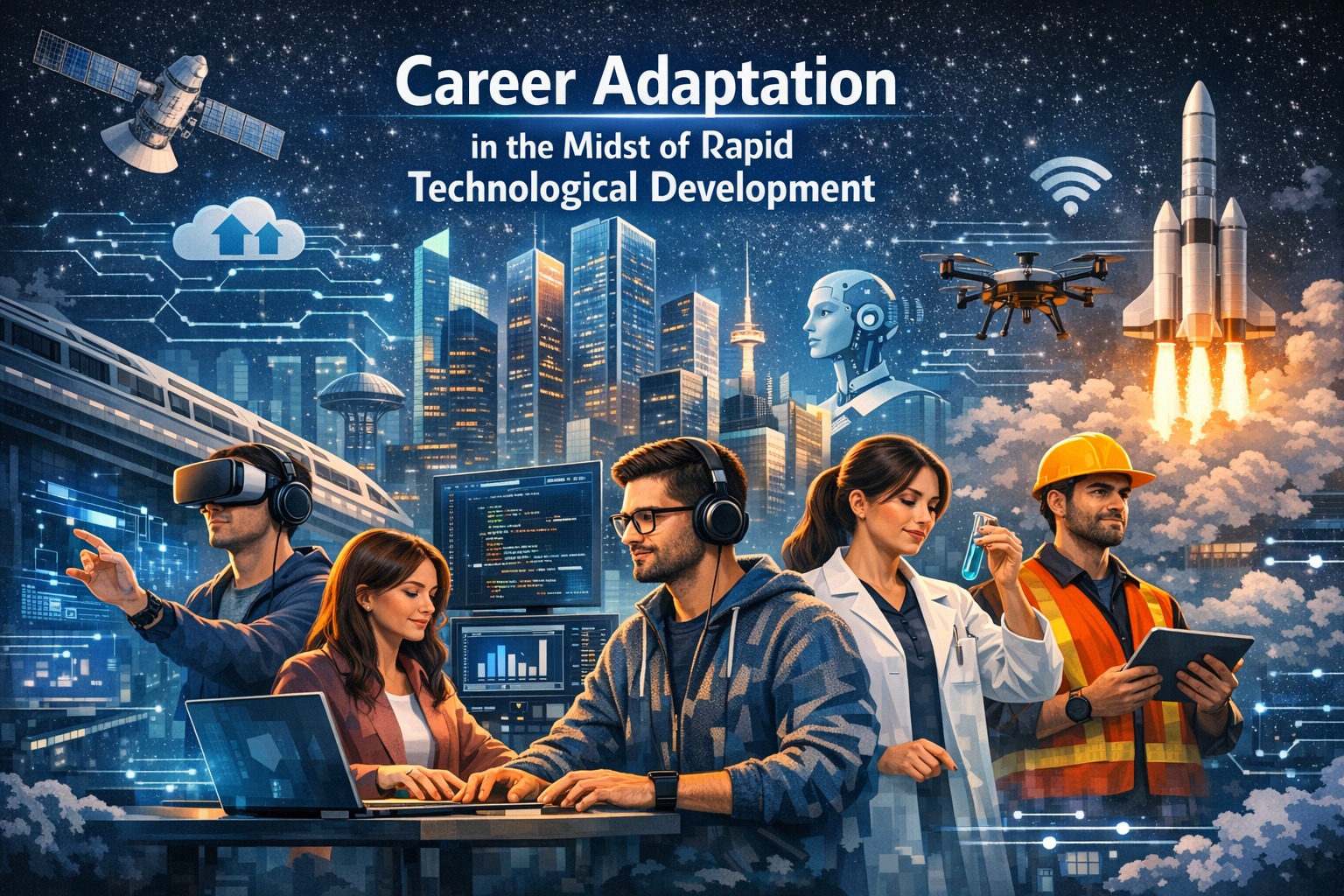
The modern workplace is undergoing a profound transformation driven by rapid technological advancement. Innovations such as artificial intelligence, automation, and digital platforms are reshaping industries at an unprecedented pace. As a result, traditional career paths are no longer as predictable as they once were. Individuals are now required to continuously adapt in order to remain relevant and competitive in their chosen fields.
This shift has created both opportunities and challenges for workers across the globe. On one hand, technology enables increased efficiency, new job creation, and access to global markets. On the other hand, it disrupts established roles and demands new skill sets. The ability to navigate this duality is becoming a crucial component of long-term career success.
Adaptation is no longer a one-time effort but a continuous process. Professionals must stay informed about industry trends and technological developments that influence their work. This awareness allows them to anticipate changes rather than react to them, positioning themselves as proactive rather than passive participants in their careers.
Ultimately, career adaptation in this era is about resilience and flexibility. Those who embrace change and view it as an opportunity for growth are more likely to thrive. Developing a mindset that welcomes learning and innovation is essential in facing the uncertainties of the modern workforce.
THE ROLE OF DIGITAL SKILLS IN CAREER GROWTH
Digital skills have become a fundamental requirement in nearly every profession. From basic computer literacy to advanced data analysis, the demand for technological competence continues to rise. Employers are increasingly seeking individuals who can effectively utilize digital tools to enhance productivity and decision-making.
The integration of technology into daily work processes means that employees must be comfortable navigating digital environments. This includes understanding software applications, online collaboration tools, and emerging technologies relevant to their industries. Those who invest in building these skills gain a significant advantage in the job market.
Moreover, digital skills are not limited to technical roles. Even in creative and service-oriented professions, technology plays a vital role. For example, marketing professionals rely on analytics platforms, while educators use digital tools to facilitate learning. This widespread integration highlights the importance of digital adaptability across all sectors.
Continuous learning is key to maintaining digital competence. Online courses, certifications, and self-directed learning opportunities provide accessible ways to stay updated. By consistently upgrading their skills, individuals can ensure that they remain valuable contributors in an ever-evolving technological landscape.
EMBRACING LIFELONG LEARNING AND FLEXIBILITY
Lifelong learning has become an essential principle in career development. The rapid pace of technological change means that knowledge and skills can quickly become outdated. As a result, individuals must adopt a mindset that prioritizes continuous education and self-improvement.
Flexibility is equally important in adapting to changing career demands. This includes being open to new roles, industries, or ways of working. The traditional notion of a linear career path is gradually being replaced by more dynamic and non-linear trajectories. Professionals who are willing to explore different opportunities are better equipped to navigate this shift.
Learning can take many forms, including formal education, professional training, and experiential learning. Engaging in diverse learning experiences allows individuals to develop a broader skill set and gain new perspectives. This adaptability enhances their ability to respond effectively to changing workplace requirements.
In addition, flexibility extends to how work is performed. Remote work, freelance opportunities, and hybrid models are becoming more common. Adapting to these changes requires not only technical skills but also strong communication and time management abilities. Embracing these new modes of work can open doors to greater career possibilities.
BUILDING RESILIENCE IN A TECHNOLOGY-DRIVEN ERA
Resilience is a critical attribute for individuals navigating the uncertainties of a technology-driven world. As industries evolve, setbacks such as job displacement or skill gaps may occur. Developing resilience enables individuals to להתמודד these challenges with confidence and determination.
One way to build resilience is by cultivating a growth mindset. This involves viewing challenges as opportunities to learn rather than obstacles to success. Individuals who adopt this perspective are more likely to persevere in the face of change and continuously seek ways to improve themselves.
Support networks also play a vital role in fostering resilience. Mentors, peers, and professional communities can provide guidance, encouragement, and valuable insights. Engaging with others allows individuals to share experiences and learn from different perspectives, strengthening their ability to adapt.
Finally, maintaining a balance between professional and personal well-being is essential. The pressures of adapting to rapid change can be overwhelming, making it important to prioritize mental and emotional health. By taking a holistic approach to career development, individuals can build the resilience needed to thrive in an ever-changing technological environment.
Tentang Penulis
Gusti Ayu Tita
Penulis — Universitas STEKOM
Penulis aktif yang berfokus pada isu-isu akademik, teknologi pendidikan, dan pengembangan sumber daya manusia di lingkungan kampus.