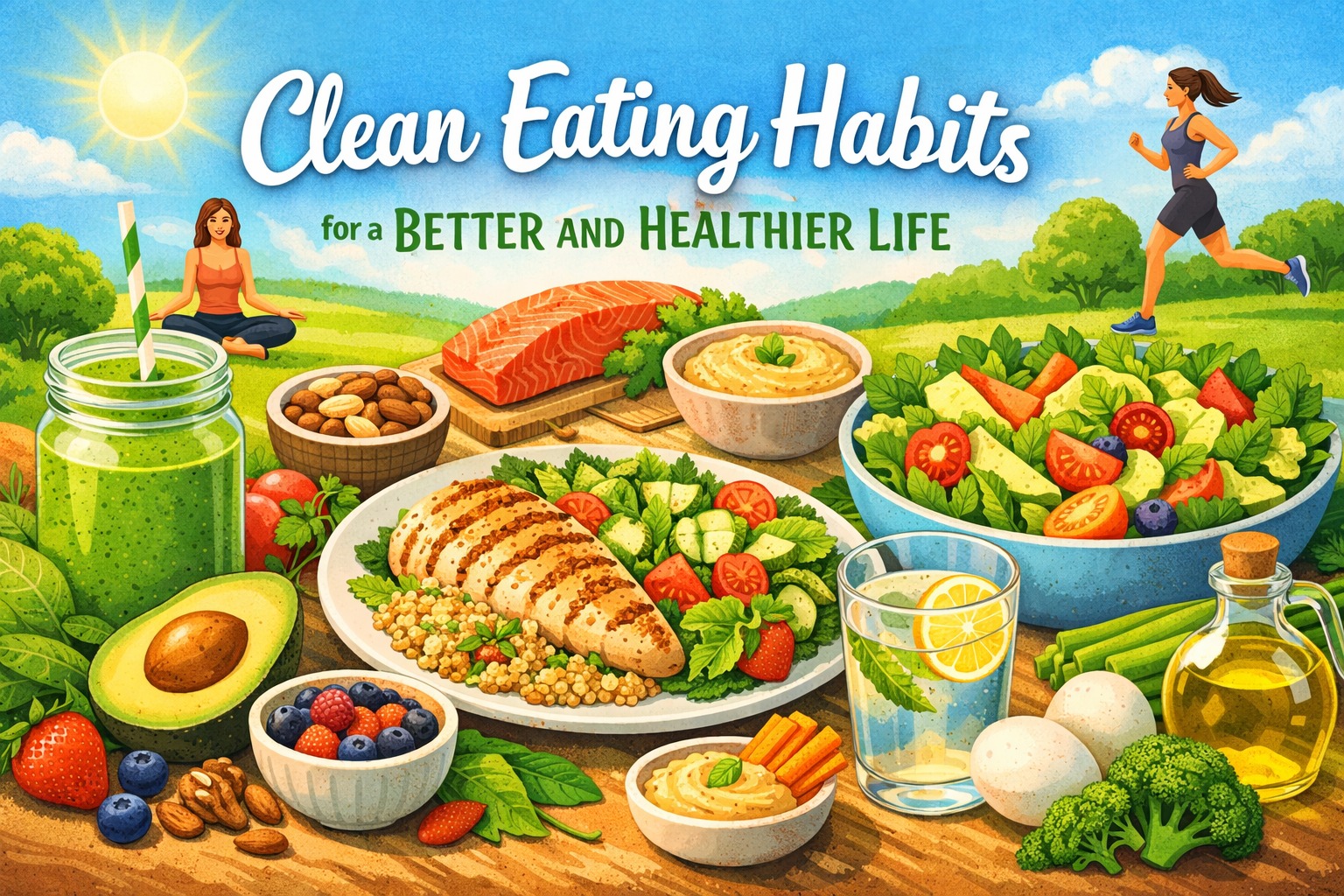
Living a healthy lifestyle starts with the food we consume every day. In recent years, clean eating has become one of the most popular approaches to improving overall health and well-being. Clean eating is not about strict dieting or avoiding favorite foods completely. Instead, it focuses on choosing natural, fresh, and minimally processed foods that provide the body with essential nutrients.
By adopting clean eating habits, people can improve their energy levels, strengthen their immune system, maintain a healthy weight, and reduce the risk of chronic diseases. This lifestyle also supports mental health and encourages a more balanced way of living.
WHAT IS CLEAN EATING?
Clean eating refers to consuming foods in their most natural state. This means prioritizing whole foods such as fruits, vegetables, lean proteins, whole grains, nuts, and healthy fats while limiting processed foods, artificial ingredients, and excessive sugar.
The concept encourages people to pay closer attention to food quality rather than simply counting calories. Eating clean also involves proper meal planning, balanced nutrition, and mindful eating habits.
BENEFITS OF CLEAN EATING
IMPROVES ENERGY LEVELS
Natural and nutrient-rich foods provide steady energy throughout the day. Unlike sugary snacks and processed foods that cause energy crashes, whole foods help stabilize blood sugar and improve stamina.
SUPPORTS WEIGHT MANAGEMENT
Clean eating can naturally help with maintaining a healthy body weight. Foods rich in fiber and protein make people feel full longer, reducing unnecessary snacking and overeating.
BOOSTS IMMUNE SYSTEM
Fresh fruits and vegetables contain vitamins, minerals, and antioxidants that strengthen the immune system. A stronger immune system helps the body fight infections and stay healthy.
ENHANCES DIGESTIVE HEALTH
Whole grains, vegetables, and fruits contain dietary fiber that supports healthy digestion. Fiber helps improve gut health and prevents digestive issues such as constipation.
REDUCES RISK OF DISEASE
A clean eating lifestyle may reduce the risk of chronic illnesses such as heart disease, diabetes, and obesity. Limiting processed foods and unhealthy fats contributes to better long-term health.
SIMPLE CLEAN EATING HABITS TO FOLLOW
CHOOSE WHOLE FOODS
Focus on eating foods that are minimally processed. Fresh vegetables, fruits, brown rice, oats, fish, eggs, and nuts are excellent choices for daily meals.
DRINK MORE WATER
Water is essential for maintaining hydration and supporting body functions. Replacing sugary drinks with water can significantly improve overall health.
LIMIT PROCESSED FOODS
Processed foods often contain excessive sugar, sodium, and unhealthy fats. Reducing fast food, packaged snacks, and sugary beverages is an important step toward clean eating.
EAT MORE VEGETABLES AND FRUITS
Adding colorful vegetables and fruits to meals increases nutrient intake. They are rich in vitamins, antioxidants, and fiber that support a healthy body.
COOK MEALS AT HOME
Preparing meals at home allows better control over ingredients and portion sizes. Homemade meals are often healthier than restaurant or fast-food options.
PRACTICE MINDFUL EATING
Mindful eating means paying attention to hunger signals and enjoying meals slowly. This habit can prevent overeating and improve digestion.
COMMON CHALLENGES OF CLEAN EATING
Many people struggle to maintain clean eating habits due to busy schedules, cravings, or lack of meal preparation. However, starting with small changes can make the transition easier. Replacing unhealthy snacks with healthier alternatives and planning meals ahead of time can help maintain consistency.
It is also important to avoid perfectionism. Clean eating should be a sustainable lifestyle rather than a temporary restriction.
TIPS TO MAINTAIN A CLEAN EATING LIFESTYLE
- Create a weekly meal plan
- Shop for fresh ingredients regularly
- Avoid skipping breakfast
- Read food labels carefully
- Reduce added sugar intake
- Prepare healthy snacks in advance
- Balance nutrition in every meal
Consistency is the key to building long-term healthy eating habits.
CONCLUSION
Clean eating is a simple yet effective way to improve overall health and quality of life. By choosing natural and nutritious foods, people can gain more energy, maintain a healthy body, and lower the risk of various diseases. Small daily changes can lead to significant long-term benefits.
Adopting clean eating habits does not require extreme restrictions. With balance, consistency, and mindful food choices, anyone can enjoy a better and healthier life.
Tentang Penulis
Gusti Ayu Tita
Penulis — Universitas STEKOM
Penulis aktif yang berfokus pada isu-isu akademik, teknologi pendidikan, dan pengembangan sumber daya manusia di lingkungan kampus.