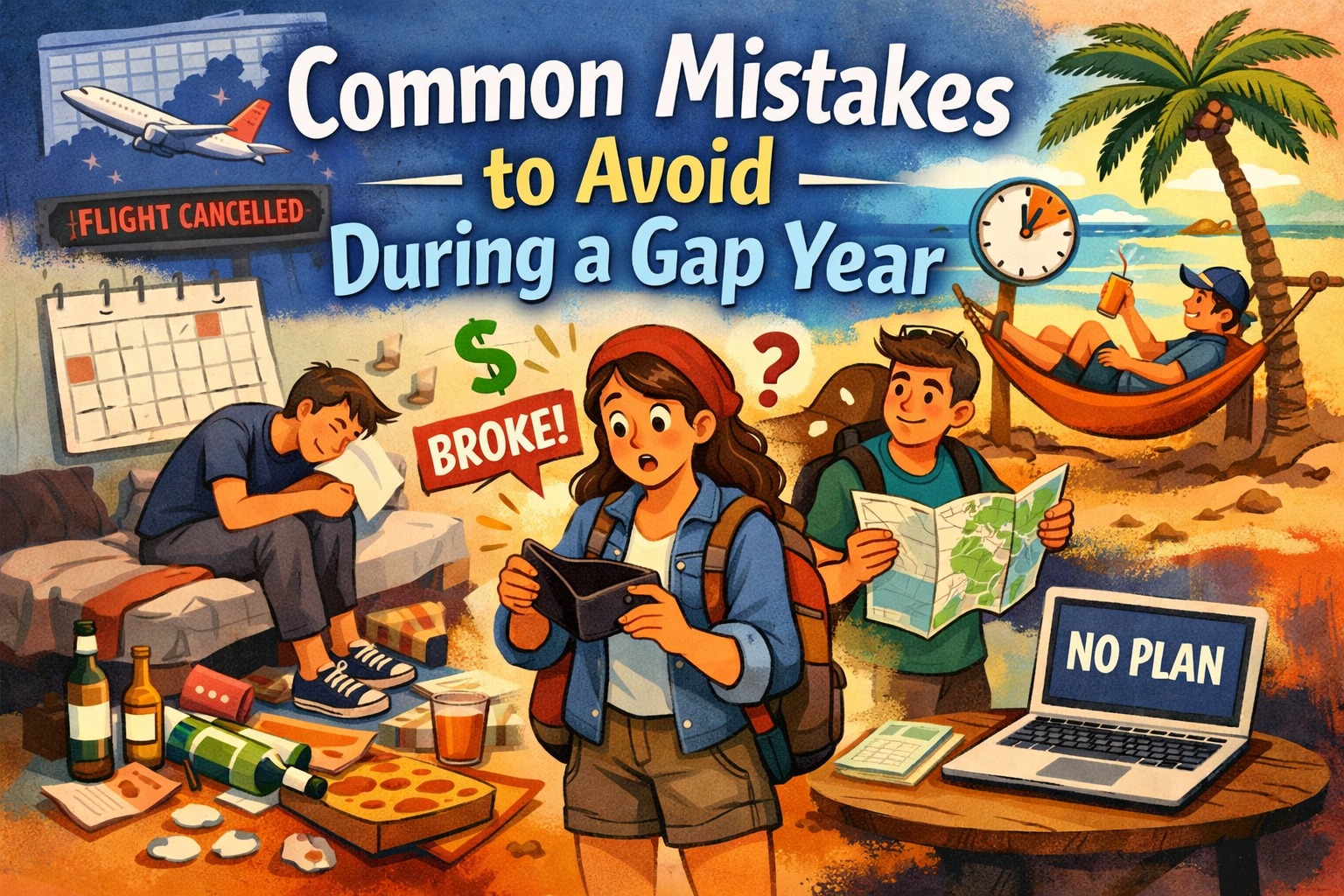
Taking a gap year can be one of the best decisions for personal growth, career preparation, and self-discovery. Many students and young professionals use this time to travel, learn new skills, volunteer, or gain work experience before continuing their education or career journey. However, without proper planning, a gap year can quickly become unproductive and stressful.
To make the most of this valuable time, it is important to understand the common mistakes people often make during a gap year and how to avoid them.
LACK OF CLEAR GOALS
One of the biggest mistakes during a gap year is starting without clear objectives. Some people take a gap year simply because they feel tired of studying or unsure about their future. While taking a break is completely normal, having no direction can lead to wasted time.
Before beginning your gap year, create realistic goals. Ask yourself questions such as:
- What skills do I want to improve?
- Do I want work experience?
- Am I interested in traveling or volunteering?
- What do I want to achieve by the end of the year?
Having clear goals helps you stay motivated and focused throughout the journey.
SPENDING TOO MUCH TIME ON SOCIAL MEDIA
A gap year should be used for meaningful activities, but many people spend too much time scrolling through social media or watching entertainment content. This habit can reduce productivity and make the year feel unaccomplished.
Instead, use technology wisely. Follow educational content, join online courses, attend webinars, or connect with professionals in fields you are interested in. Digital platforms can become powerful learning tools when used correctly.
IGNORING FINANCIAL PLANNING
Financial problems are another common issue during a gap year. Some individuals underestimate living costs, travel expenses, or course fees. As a result, they may run out of money before achieving their goals.
Create a detailed budget before starting your gap year. Track your income and expenses carefully. If possible, find part-time work, freelance opportunities, or internships to support your financial needs while gaining valuable experience.
FAILING TO LEARN NEW SKILLS
A gap year should not only be about resting. Many employers and universities value applicants who use their time productively. Unfortunately, some people miss the opportunity to improve themselves.
Consider learning practical skills such as:
- Communication skills
- Digital marketing
- Graphic design
- Foreign languages
- Public speaking
- Coding or programming
Developing these abilities can increase your confidence and future career opportunities.
AVOIDING NETWORKING OPPORTUNITIES
Many people underestimate the importance of networking during a gap year. Meeting new people can open doors to internships, jobs, collaborations, and mentorship opportunities.
Join communities, attend seminars, participate in volunteer programs, or connect with professionals online. Building relationships can provide valuable insights and help you discover new career paths.
NOT MAINTAINING A DAILY ROUTINE
Without school or work schedules, some individuals lose discipline during their gap year. Sleeping late, procrastinating, and wasting time can become daily habits.
To stay productive, create a simple daily routine that includes:
- Exercise
- Learning activities
- Personal projects
- Reading
- Rest and relaxation
A balanced schedule helps maintain mental health and productivity.
COMPARING YOURSELF TO OTHERS
During a gap year, it is easy to feel left behind when friends continue their studies or start careers. Constant comparison can create anxiety and self-doubt.
Remember that everyone has a different journey. A well-planned gap year can provide experiences and skills that benefit your future in unique ways. Focus on your own progress rather than comparing yourself with others.
NEGLECTING MENTAL AND PHYSICAL HEALTH
Some people become overly focused on productivity and forget to take care of their health. Stress, burnout, and loneliness can affect the gap year experience.
Maintain a healthy lifestyle by exercising regularly, eating nutritious food, getting enough sleep, and taking breaks when necessary. Mental well-being is just as important as achieving goals.
CONCLUSION
A gap year can become an incredible opportunity for personal development, career exploration, and skill improvement when managed properly. Avoiding common mistakes such as lacking goals, poor financial planning, wasting time, and ignoring self-development can help you maximize the benefits of your gap year.
With discipline, planning, and a positive mindset, your gap year can become one of the most valuable experiences in your life.
Tentang Penulis
Gusti Ayu Tita
Penulis — Universitas STEKOM
Penulis aktif yang berfokus pada isu-isu akademik, teknologi pendidikan, dan pengembangan sumber daya manusia di lingkungan kampus.