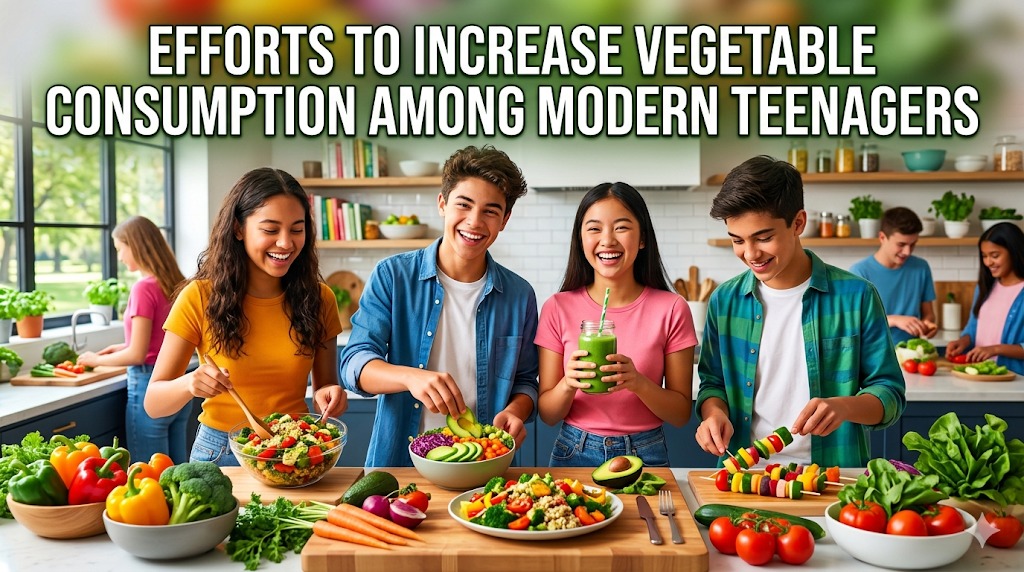
In today’s fast-paced digital era, modern teenagers are increasingly exposed to unhealthy eating habits. Fast food, sugary snacks, and processed meals often dominate their daily diet, leaving vegetables overlooked. This shift in dietary patterns raises concerns about long-term health, as vegetables are essential sources of vitamins, minerals, and fiber.
Encouraging teenagers to consume more vegetables is not just about nutrition—it is about building healthy habits that can last a lifetime. This article explores effective strategies to increase vegetable consumption among modern teenagers.
UNDERSTANDING THE CHALLENGES
One of the main reasons teenagers avoid vegetables is taste preference. Many perceive vegetables as bland or unappealing compared to fast food. Additionally, peer influence and social media trends often promote less healthy food choices.
Busy lifestyles also play a role. With limited time, teenagers tend to choose convenient, ready-to-eat meals rather than preparing balanced dishes that include vegetables.
MAKING VEGETABLES MORE APPEALING
Presentation and taste are key factors in attracting teenagers to vegetables. Creative cooking methods such as roasting, grilling, or blending vegetables into smoothies can enhance their flavor.
Adding vegetables to popular dishes like pasta, burgers, or wraps can also make them more enjoyable. By integrating vegetables into familiar meals, teenagers are more likely to accept them.
ROLE OF EDUCATION AND AWARENESS
Educating teenagers about the benefits of vegetables is essential. Schools and parents can play a major role by providing information on how vegetables support growth, improve energy levels, and boost immunity.
Interactive learning methods, such as cooking classes or nutrition workshops, can make the topic more engaging and relatable.
INFLUENCE OF FAMILY AND ENVIRONMENT
Family habits strongly influence teenagers’ eating behaviors. When parents regularly include vegetables in meals, teenagers are more likely to follow.
Creating a home environment where healthy food is accessible and encouraged can make a significant difference. Simple actions like offering vegetables as snacks can help build positive habits.
UTILIZING SOCIAL MEDIA AND TECHNOLOGY
Social media can be a powerful tool to promote healthy eating. Sharing appealing vegetable recipes, short cooking videos, or challenges can inspire teenagers to try new foods.
Collaborating with influencers who promote healthy lifestyles can also increase awareness and make vegetables more “trendy” among young audiences.
ENCOURAGING PARTICIPATION IN FOOD PREPARATION
Involving teenagers in meal preparation can increase their interest in vegetables. When they participate in cooking, they are more likely to try what they have made.
Activities like gardening or visiting local markets can also help them appreciate where food comes from and encourage healthier choices.
CONCLUSION
Increasing vegetable consumption among modern teenagers requires a combination of education, creativity, and environmental support. By making vegetables more appealing, accessible, and relevant to their lifestyle, it is possible to build healthier eating habits.
Investing in these efforts today will lead to a healthier generation in the future. Encouraging small, consistent changes can create a lasting impact on teenagers’ overall well-being.
Tentang Penulis
Gusti Ayu Tita
Penulis — Universitas STEKOM
Penulis aktif yang berfokus pada isu-isu akademik, teknologi pendidikan, dan pengembangan sumber daya manusia di lingkungan kampus.