
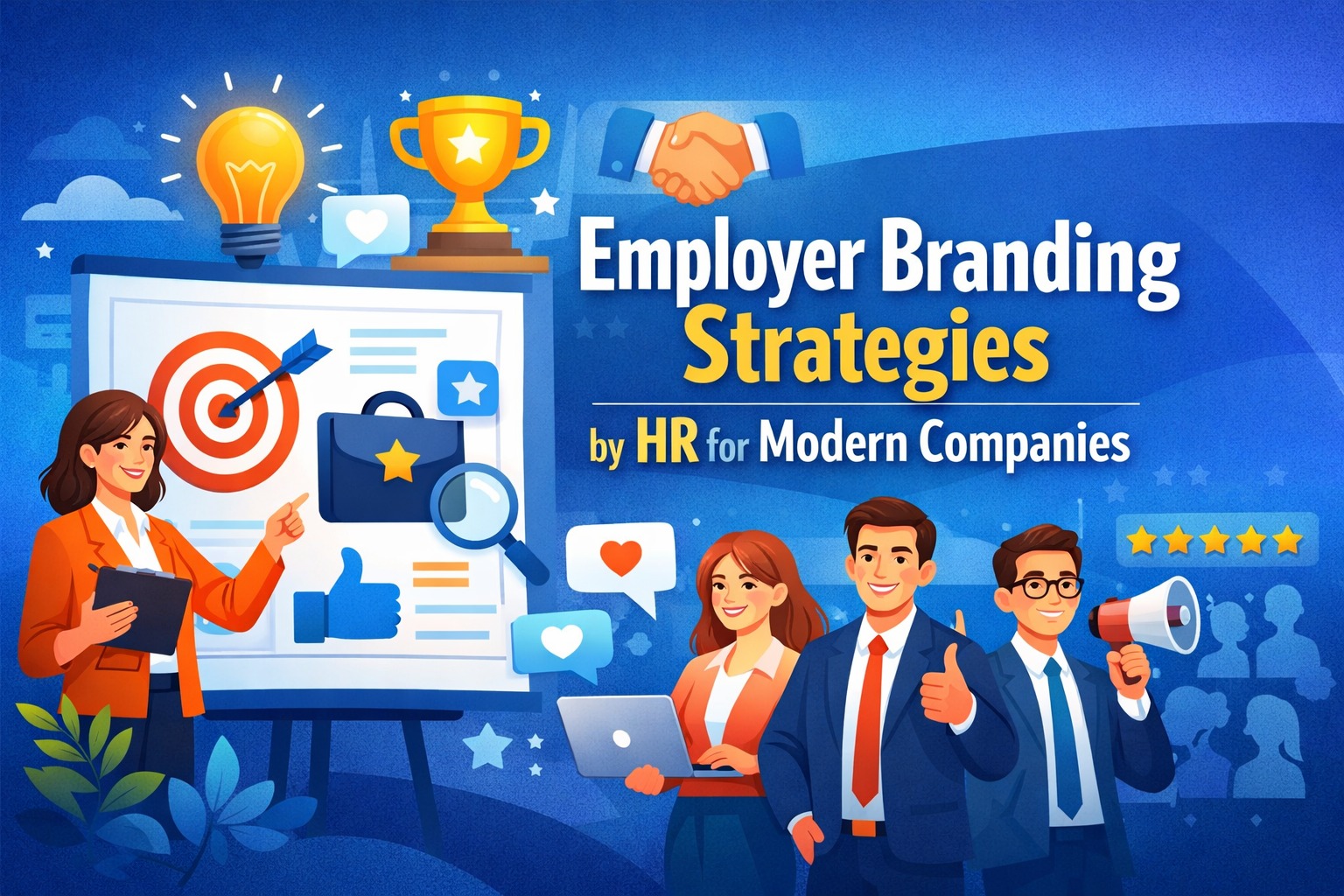
In today’s competitive business landscape, employer branding has become one of the most important responsibilities of Human Resources (HR). Companies are no longer judged only by their products or services, but also by how they treat employees and build workplace culture. A strong employer brand helps organizations attract top talent, improve employee retention, and strengthen company reputation in the digital era.
BUILDING A STRONG COMPANY CULTURE
A positive company culture is the foundation of successful employer branding. Employees want to work in an environment where they feel respected, valued, and motivated. HR teams play a key role in shaping this culture through effective communication, employee engagement programs, and leadership development.
Modern companies often focus on creating flexible work environments, supporting employee well-being, and encouraging collaboration. These strategies make employees feel connected to the organization and increase overall job satisfaction. When workers enjoy their workplace, they naturally become brand ambassadors who share positive experiences with others.
In addition, transparent management and equal growth opportunities can improve employee trust. HR departments that prioritize diversity, inclusion, and career development are more likely to create a strong employer image that attracts skilled professionals.
USING DIGITAL PLATFORMS FOR EMPLOYER BRANDING
Digital technology has transformed the way companies promote their employer brand. Today, candidates frequently research organizations online before applying for a job. Because of this, HR departments must manage the company’s digital presence carefully.
Social media platforms, career websites, and professional networking sites can be used to showcase workplace culture, employee achievements, and company values. Posting authentic employee stories, team activities, and career growth opportunities can make the company appear more trustworthy and appealing.
HR teams should also encourage employees to share positive workplace experiences online. Employee testimonials often have a stronger impact than traditional corporate advertising because they feel more genuine and relatable.
Another effective strategy is maintaining a responsive recruitment process. Fast communication, professional interviews, and clear job descriptions can improve candidate experiences. A positive hiring journey strengthens employer branding and increases the likelihood of attracting qualified candidates.
CONCLUSION
Employer branding is no longer optional for modern companies. It is a strategic investment that directly influences recruitment success, employee loyalty, and long-term business growth. HR departments must focus on building a healthy company culture while also using digital platforms effectively to strengthen the organization’s image.
By creating positive employee experiences and maintaining strong communication both internally and externally, companies can develop a powerful employer brand that stands out in a competitive market. Businesses that prioritize employer branding today will have a stronger workforce and better reputation in the future.
Tentang Penulis
Gusti Ayu Tita
Penulis — Universitas STEKOM
Penulis aktif yang berfokus pada isu-isu akademik, teknologi pendidikan, dan pengembangan sumber daya manusia di lingkungan kampus.



