
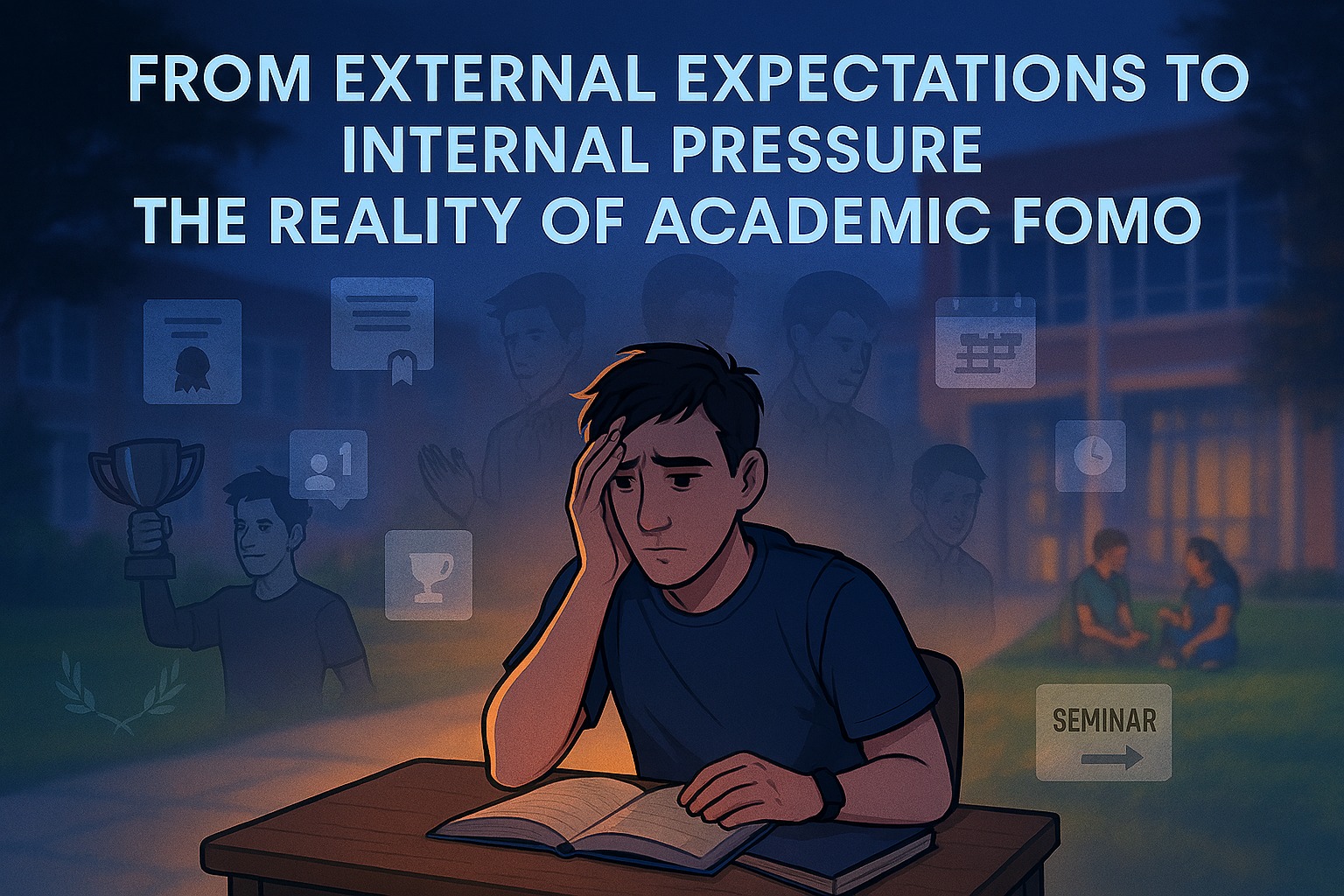
In today’s fast-paced academic world, students face mounting pressures not only from themselves but also from external sources. Parents, teachers, peers, and society often set high expectations, creating a complex environment where performance is constantly scrutinized. Over time, these external pressures can internalize, turning into self-imposed stress that affects both mental health and academic performance. Understanding the dynamics of these pressures is crucial for students to navigate their academic journey effectively.
THE WEIGHT OF EXTERNAL EXPECTATIONS
External expectations are everywhere. Parents may demand top grades, advisors encourage participation in prestigious programs, and peers share their successes on social media. While these expectations can motivate, they often create anxiety when students feel they cannot meet them. This external pressure sometimes becomes the primary measure of success, overshadowing personal growth, interests, and passions.
INTERNALIZING THE PRESSURE
When external expectations are constantly reinforced, students begin to internalize them. Self-worth becomes tied to achievement, and fear of failure dominates their mindset. This internal pressure can manifest as overworking, skipping breaks, or pushing beyond healthy limits. Students may succeed on paper but experience burnout, anxiety, and even depression due to the relentless internal standards they feel compelled to uphold.
STRATEGIES TO MANAGE ACADEMIC PRESSURE
Identify Personal Goals
Students should differentiate between what others expect and what they genuinely want to achieve. Setting personal academic and career goals provides clarity, motivation, and a sense of purpose that aligns with individual interests rather than external demands.
Practice Self-Compassion
Recognizing that mistakes are part of learning helps students reduce self-imposed pressure. Practicing self-compassion involves being kind to oneself, acknowledging effort, and understanding that perfection is neither realistic nor necessary.
Establish Healthy Boundaries
Balancing expectations requires knowing when to say no. Students can prioritize tasks, limit excessive commitments, and communicate their needs effectively to reduce stress from unrealistic demands.
Seek Support
Whether from mentors, peers, or mental health professionals, seeking guidance provides perspective and coping strategies. Sharing experiences often helps students realize that they are not alone in facing academic pressures.
CONCLUSION
The transition from external expectations to internal pressure is a common challenge in academic life. While ambition and high standards can drive achievement, excessive pressure can harm mental health and diminish the joy of learning. By setting personal goals, practicing self-compassion, establishing boundaries, and seeking support, students can navigate academic demands more sustainably and enjoy a healthier, more fulfilling educational journey.
Tentang Penulis
Gusti Ayu Tita
Penulis — Universitas STEKOM
Penulis aktif yang berfokus pada isu-isu akademik, teknologi pendidikan, dan pengembangan sumber daya manusia di lingkungan kampus.



