
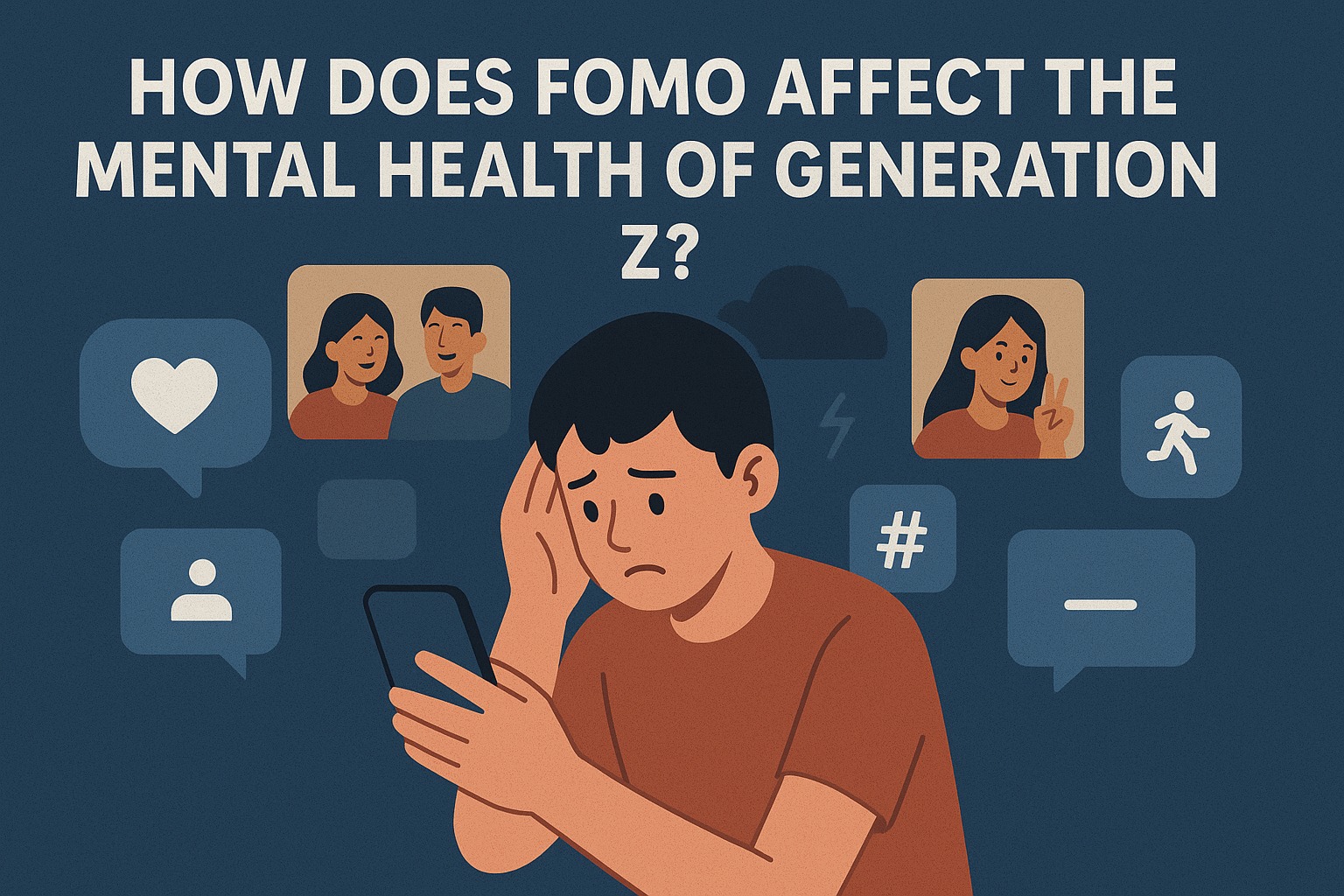
The phenomenon of Fear of Missing Out, or FOMO, is increasingly embedded in the lives of Generation Z. Living in a fast-paced digital ecosystem exposes them to constant information, trends, and the achievements of others. Without realizing it, this creates psychological pressure that impacts mental well-being. This article explains how FOMO works, why Gen Z is vulnerable, and its effects on emotional health.
WHAT IS FOMO?
FOMO is a feeling of discomfort or anxiety when someone feels left out, uninvolved, or unable to experience what others are experiencing. It usually arises from constantly seeing the “perfect” lives of others on social media—from achievements and vacations to lifestyle highlights.
WHY IS GENERATION Z MORE VULNERABLE?
Generation Z grew up alongside the rapid development of technology and social media. Several factors make them more prone to FOMO:
1. 24/7 content exposure
Endless timelines and notifications make Gen Z constantly compare themselves with others.
2. Pressure to stay relevant
There is a strong urge to remain up-to-date to avoid being seen as out of touch.
3. Identity still forming
During identity formation, external influences—especially digital content—easily shape self-perception and standards.
THE IMPACT OF FOMO ON MENTAL HEALTH
1. Increases anxiety
Constant monitoring of others’ activities triggers fear of being left behind, even when there is no actual need to “keep up.”
2. Reduces self-confidence
Seeing others’ achievements appear superior leads many Gen Z individuals to underestimate themselves.
3. Triggers stress and digital fatigue
Excessive social media use exhausts the brain and reduces focus, especially when used as a source of validation.
4. Worsens social relationships
Ironically, focusing too much on digital life reduces real-world connections, often leading to loneliness.
HOW TO REDUCE FOMO AMONG GEN Z
- Reduce screen time, especially at night
- Limit accounts that trigger discomfort
- Build healthy routines such as exercising or journaling
- Practice mindfulness
- Strengthen real-life social connections
CONCLUSION
FOMO is natural in the digital era, but it becomes problematic when uncontrolled. Gen Z must understand that not everything online reflects reality. With awareness, FOMO can be minimized to maintain mental well-being.
Tentang Penulis
Gusti Ayu Tita
Penulis — Universitas STEKOM
Penulis aktif yang berfokus pada isu-isu akademik, teknologi pendidikan, dan pengembangan sumber daya manusia di lingkungan kampus.



