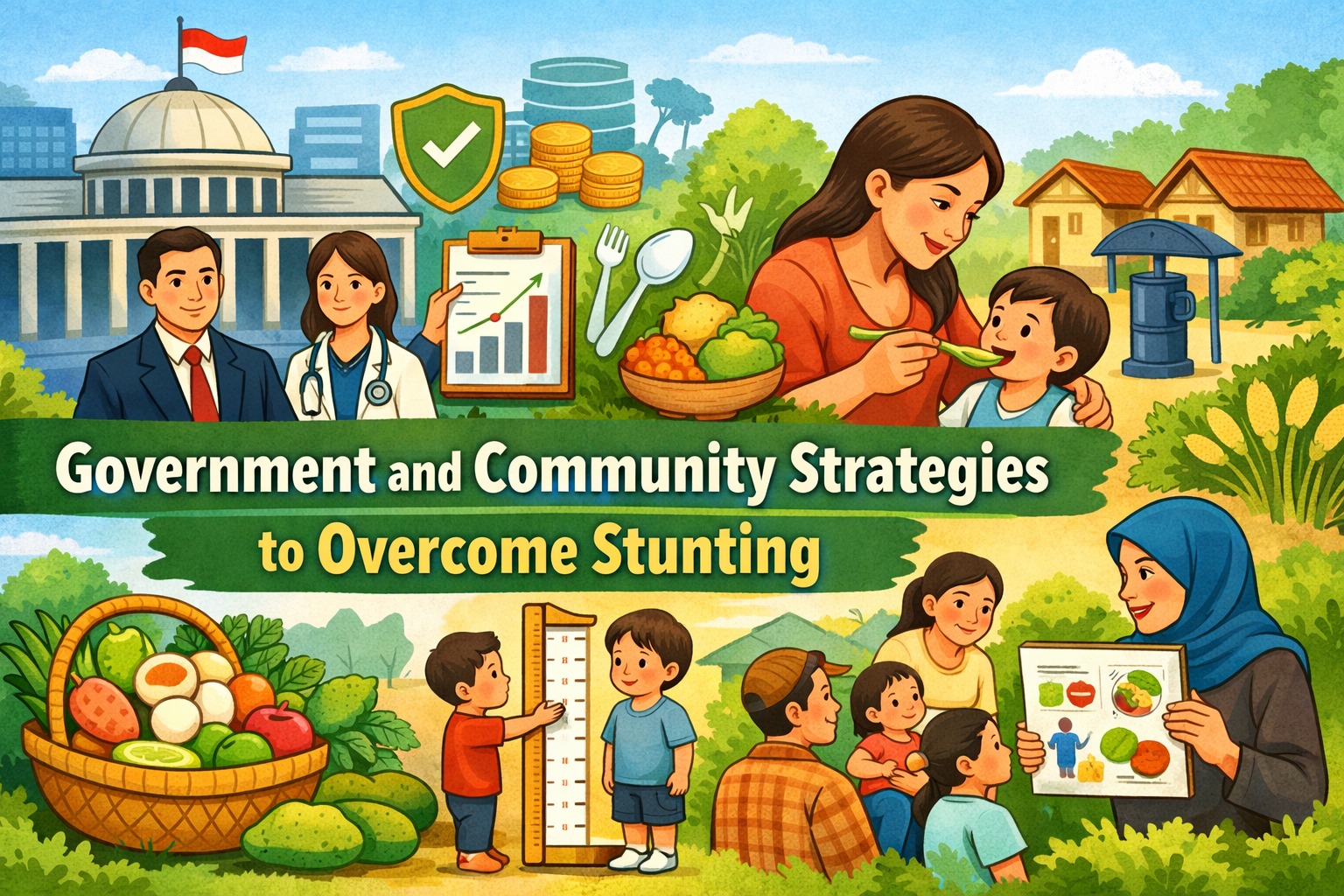
Stunting remains one of the biggest health challenges affecting children worldwide. It occurs when children experience impaired growth and development due to chronic malnutrition, repeated infections, and inadequate care during early childhood. Stunting not only impacts physical growth but also affects cognitive development, educational achievement, and future productivity. Therefore, strong collaboration between governments and communities is essential to reduce stunting rates and create healthier generations.
UNDERSTANDING THE CAUSES OF STUNTING
Stunting is commonly caused by poor nutrition during pregnancy and the first two years of life. Limited access to nutritious food, lack of clean water, poor sanitation, and low health awareness also contribute significantly to this condition. In many developing regions, economic challenges make it difficult for families to provide balanced meals and proper healthcare for children.
Another important factor is the lack of education regarding maternal and child nutrition. Many parents are unaware of the importance of exclusive breastfeeding, proper complementary feeding, and regular health monitoring. Without intervention, stunting can continue across generations.
GOVERNMENT STRATEGIES TO REDUCE STUNTING
Governments play a vital role in preventing and overcoming stunting through comprehensive policies and national programs. One effective strategy is improving maternal and child healthcare services. Regular prenatal checkups, nutritional supplements for pregnant women, immunization programs, and child growth monitoring are essential steps in reducing stunting risks.
In addition, governments can strengthen food security programs by ensuring affordable access to nutritious foods. Subsidized food programs, nutrition assistance, and agricultural support for local farmers can help families meet their nutritional needs.
Another important approach is improving sanitation and clean water access. Poor hygiene and contaminated water often lead to infections that interfere with nutrient absorption in children. Investments in sanitation infrastructure and public hygiene campaigns can significantly reduce health risks associated with stunting.
Governments should also prioritize educational campaigns about nutrition and healthy lifestyles. Public awareness programs through schools, healthcare centers, and digital media can encourage families to adopt healthier practices for child development.
THE ROLE OF COMMUNITIES IN PREVENTING STUNTING
Communities have a direct influence on child health and nutrition. Local participation can strengthen government efforts by creating supportive environments for families and children. Community health volunteers, local organizations, and neighborhood leaders can educate parents about balanced nutrition and healthy childcare practices.
Community-based nutrition programs are highly effective in increasing awareness and improving child health. Activities such as nutrition counseling, cooking classes, breastfeeding support groups, and child health monitoring sessions can help parents better understand their children’s nutritional needs.
Communities can also encourage household food production through home gardening initiatives. Growing vegetables and fruits at home provides families with affordable and nutritious food sources while promoting healthier eating habits.
Social support is equally important. Families facing financial difficulties often require assistance from local communities, charities, and social programs to ensure children receive adequate nutrition and healthcare services.
THE IMPORTANCE OF COLLABORATION
Overcoming stunting requires strong cooperation between governments, healthcare providers, schools, non-governmental organizations, and communities. A collaborative approach ensures that nutrition programs, education campaigns, and healthcare services reach vulnerable populations effectively.
Schools can contribute by teaching children about healthy eating habits and hygiene practices. Healthcare workers can provide regular counseling and early detection of growth problems. Meanwhile, community leaders can motivate families to participate actively in health and nutrition programs.
When all sectors work together, stunting prevention efforts become more sustainable and impactful. Long-term commitment is necessary to break the cycle of malnutrition and improve the quality of life for future generations.
CONCLUSION
Stunting is a serious issue that affects children’s physical and mental development, but it can be prevented through coordinated action. Governments must implement strong healthcare, nutrition, sanitation, and education policies, while communities should actively support healthy lifestyles and child nutrition programs.
By strengthening collaboration between governments and communities, societies can significantly reduce stunting rates and create healthier, smarter, and more productive generations in the future.
Tentang Penulis
Gusti Ayu Tita
Penulis — Universitas STEKOM
Penulis aktif yang berfokus pada isu-isu akademik, teknologi pendidikan, dan pengembangan sumber daya manusia di lingkungan kampus.