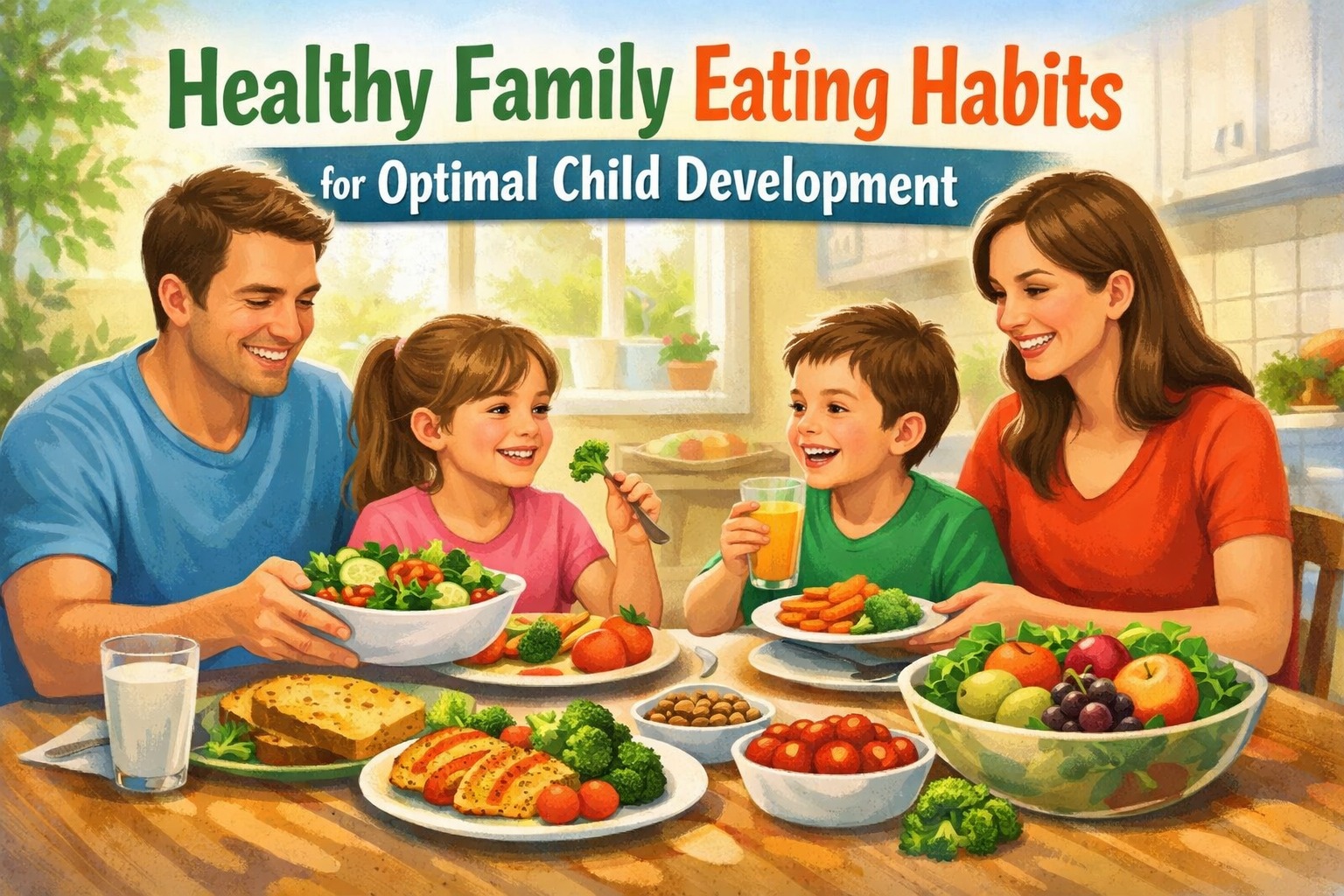
A healthy family begins with healthy eating habits. Proper nutrition plays a major role in supporting children’s physical growth, brain development, emotional stability, and overall well-being. In today’s fast-paced lifestyle, many families rely on instant meals and sugary snacks, which may negatively affect a child’s development over time. Establishing balanced eating habits at home is one of the most effective ways to ensure children grow strong, active, and intelligent.
Parents have an important responsibility in creating a positive food environment. By encouraging healthy eating patterns from an early age, families can help children build lifelong habits that support optimal development and prevent health problems in the future.
THE IMPORTANCE OF HEALTHY EATING FOR CHILDREN
Children require essential nutrients to support rapid growth and brain function. A balanced diet provides vitamins, minerals, protein, carbohydrates, healthy fats, and fiber needed for daily activities and development. Nutritious meals can improve concentration, strengthen the immune system, and increase energy levels.
Healthy eating habits also help reduce the risk of obesity, diabetes, and nutritional deficiencies. Children who regularly consume healthy foods tend to perform better academically and maintain a healthier emotional balance.
BUILDING HEALTHY FAMILY EATING HABITS
Creating healthy eating habits does not need to be complicated. Families can start with small but consistent changes in their daily routines. Eating together at home encourages better communication and allows parents to monitor their children’s nutritional intake.
Some effective family eating habits include:
- Serving balanced meals with vegetables, fruits, protein, and whole grains
- Reducing sugary drinks and replacing them with water or fresh juice
- Limiting fast food and processed snacks
- Encouraging children to try different healthy foods
- Maintaining regular meal schedules every day
Consistency is the key to helping children develop a positive relationship with food.
THE ROLE OF PARENTS IN CHILD DEVELOPMENT
Parents act as role models for their children. When parents practice healthy eating, children are more likely to imitate those behaviors. Involving children in meal preparation can also increase their interest in nutritious foods.
Simple activities such as grocery shopping together, preparing healthy lunches, or growing vegetables at home can teach children the value of nutrition. Positive encouragement is more effective than forcing children to eat certain foods.
In addition, parents should avoid using junk food as a reward because it may create unhealthy emotional eating habits later in life.
FOODS THAT SUPPORT OPTIMAL DEVELOPMENT
Several types of foods are especially beneficial for child development. Protein-rich foods like eggs, fish, chicken, and beans help build muscles and repair body tissues. Fruits and vegetables provide antioxidants and vitamins that strengthen the immune system.
Healthy fats from nuts, avocados, and fish support brain development and cognitive function. Calcium-rich foods such as milk, yogurt, and cheese are important for strong bones and teeth.
Providing a variety of nutritious foods ensures children receive complete nutrition for healthy growth.
CREATING A POSITIVE MEALTIME ENVIRONMENT
A calm and enjoyable mealtime atmosphere can improve children’s eating habits. Families should minimize distractions such as television and smartphones during meals. Eating together allows children to learn proper eating behavior and strengthens family relationships.
Parents should encourage mindful eating by teaching children to eat slowly and recognize feelings of fullness. Positive conversations during meals also help children feel emotionally secure and connected to their family.
CONCLUSION
Healthy family eating habits are essential for optimal child development. Nutritious foods support physical growth, brain function, emotional well-being, and long-term health. Parents play a significant role in shaping children’s eating behaviors by providing balanced meals and setting positive examples.
By creating healthy routines and enjoyable mealtime experiences, families can help children develop lifelong habits that lead to a healthier and brighter future.
Tentang Penulis
Gusti Ayu Tita
Penulis — Universitas STEKOM
Penulis aktif yang berfokus pada isu-isu akademik, teknologi pendidikan, dan pengembangan sumber daya manusia di lingkungan kampus.