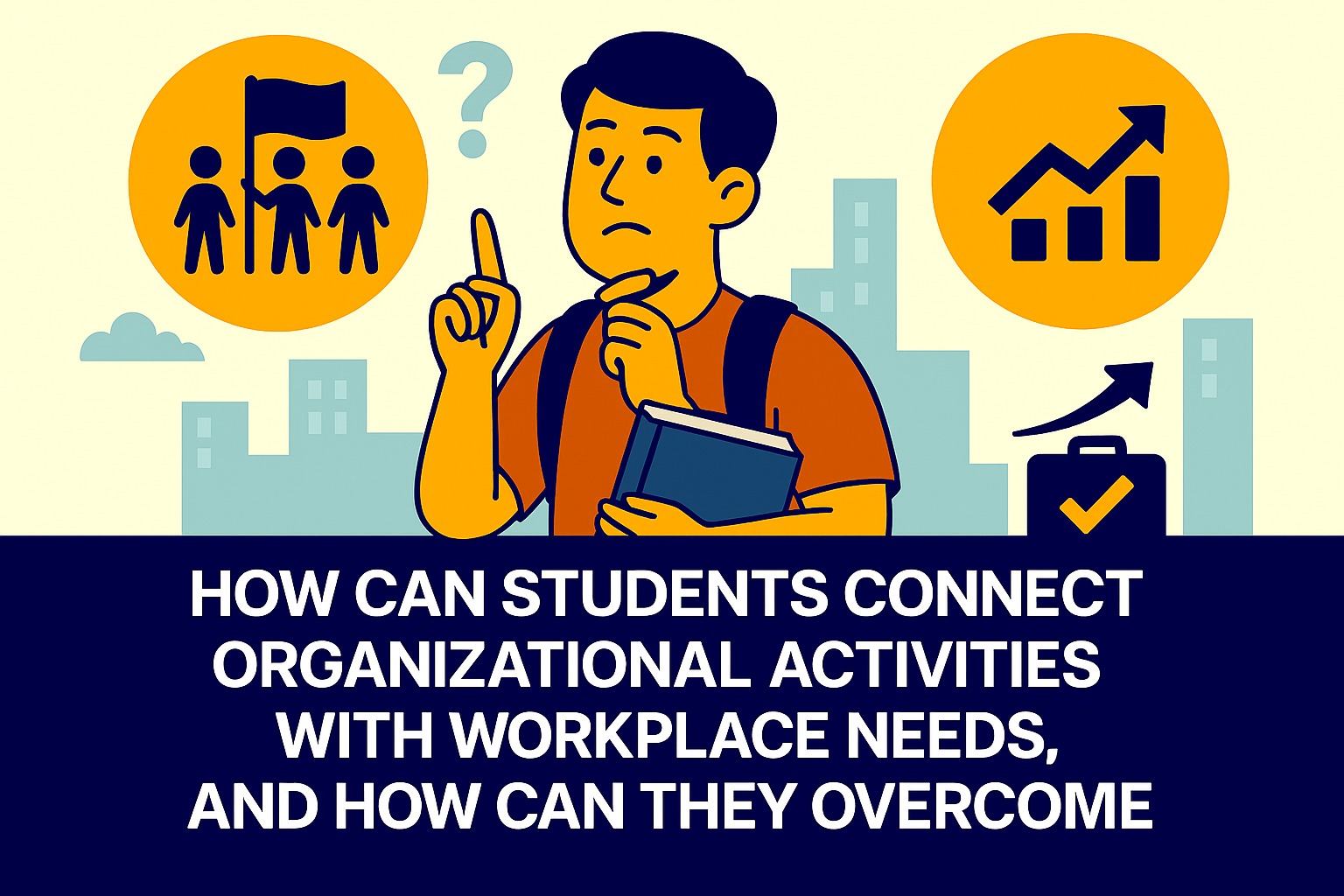
Many students actively participate in organizations during their university years. They engage in various activities such as event committees, social programs, and leadership roles in campus organizations. However, not all students realize that organizational activities can actually be very relevant experiences for the professional world.
Amid increasingly fierce job competition, companies are no longer just looking for candidates with strong academic performance. Many recruiters also consider practical skills such as communication, teamwork, leadership, and problem-solving abilities. Interestingly, these skills often develop through organizational involvement.Therefore, it’s crucial for students to understand how to relate their organizational activities to the professional world so that these experiences can add value when applying for jobs.
UNDERSTANDING THE SKILLS GAINED FROM ORGANIZATIONS
The first step for students is to recognize the skills they have acquired while actively participating in organizations. Each organizational activity usually provides different experiences.
For example, students involved in event committees might develop time management, team coordination, and event planning skills. Meanwhile, students working in communication or publicity roles may acquire skills in delivering information effectively. By understanding the skills they possess, students can more easily explain how their organizational experiences are relevant to the professional world.
LINKING ORGANIZATIONAL ROLES WITH PROFESSIONAL SKILLS
After understanding the skills they have gained, the next step is to link their organizational roles with the professional skills required by companies. Many organizational activities are similar to tasks found in the workplace.
For instance, experience as an event committee chair can demonstrate leadership and project management skills. On the other hand, experience working in a team within an organization can show good collaboration and communication abilities. By linking organizational experience with professional skills, students can demonstrate that these activities provide relevant experience for the workplace.
HIGHLIGHTING CONTRIBUTIONS AND ACHIEVEMENTS
In addition to explaining their roles in organizations, students should also highlight their contributions and the results they achieved during these activities. This information gives a clearer picture of the candidate's abilities.
For example, students can explain their success in organizing an event with a certain number of participants, increasing member participation in the organization, or successfully establishing partnerships with various parties. Achievements like these show that the student was not only active in the organization but also able to make a positive impact through their efforts.
TAILORING ORGANIZATIONAL EXPERIENCE TO THE JOB BEING APPLIED FOR
For organizational experience to be truly relevant, students need to tailor it to the specific job they are applying for. Each job requires different skills, so the organizational experiences highlighted should also be customized.
For example, if applying for a job in marketing, students can emphasize their experience in promotion or public communication. If applying for a management position, focusing on their experience leading teams or managing organizational activities could be a key point. This adjustment helps recruiters see that the student's organizational experience is directly related to the job they’re applying for.
EXPLAINING ORGANIZATIONAL EXPERIENCE CONFIDENTLY
Organizational experience should not only be well-written in a CV but also explained confidently during job interviews. Students can use real-life examples to show how they faced challenges, worked in teams, and achieved specific goals.
Clear and structured explanations will help recruiters understand that the organizational experience truly contributed to the development of the candidate's professional skills. This way, organizational activities can become concrete evidence that the student is ready to face the professional world.
CONCLUSION
Student involvement in organizations can be very valuable if it’s linked to the needs of the professional world. Through organizations, students can develop essential skills such as communication, teamwork, leadership, and problem-solving.
By understanding the skills gained, connecting them with job requirements, and highlighting their contributions, students can leverage their organizational experience as an asset when applying for jobs.
Tentang Penulis
Gusti Ayu Tita
Penulis — Universitas STEKOM
Penulis aktif yang berfokus pada isu-isu akademik, teknologi pendidikan, dan pengembangan sumber daya manusia di lingkungan kampus.