Start Networking Early: Why College Students Should Build Connections Now
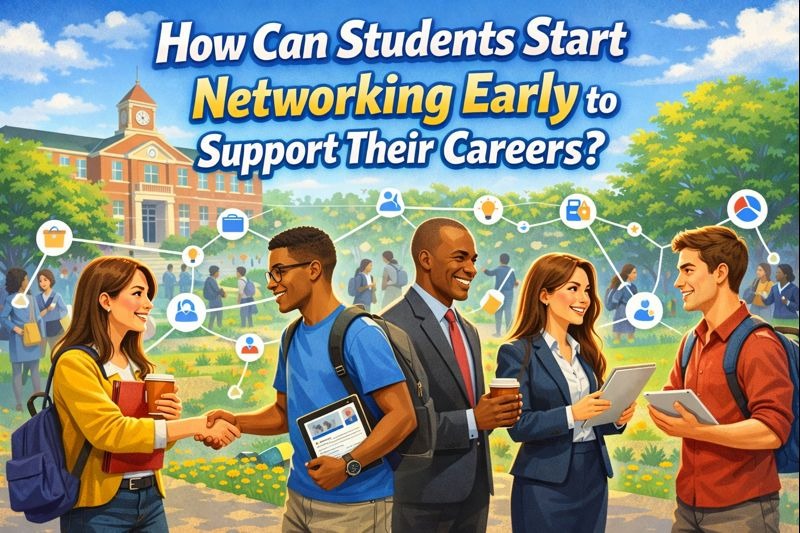
Many students think networking is only important after graduation. In reality, the earlier you start building connections, the greater your opportunities for future career success. Key Point: Networking is not just about “meeting as many people as possible,” but about forming mutually beneficial, professional, and sustainable relationships.
Why College Students Should Start Networking Early
Networking during college offers several advantages:
1. Opens Internship and Job Opportunities
Key Point: Many job openings are hidden and not publicly advertised, circulating instead through personal connections.
2. Expands Industry Knowledge
Key Point: Interacting with professionals allows students to understand trends and real-world workplace needs.
3. Builds Professional Reputation Early
Key Point: Relationships with professors, alumni, and professional communities create trust and credibility for future career paths.
4. Provides Access to Mentors
Key Point: The right connections can offer guidance, advice, and mentorship to help students navigate their career journey.
Steps to Start Networking Early
1. Be Active in Campus Organizations and Communities
Join student councils, clubs, or hobby communities. These environments allow you to meet like-minded people and form solid initial connections.
2. Attend Seminars, Workshops, and Professional Events
Take part in campus or public events such as career fairs and webinars. Introduce yourself, ask questions, and interact with industry practitioners.
3. Build Personal Branding on Social Media
LinkedIn is the ideal platform to showcase your interests and skills. Complete your profile with a professional photo, clear description, and posts highlighting academic achievements and activities.
4. Maintain Relationships with Professors and Alumni
Professors and alumni can act as bridges to the professional world. Ask for advice, discuss topics, and keep communication active.
5. Dare to Start Conversations
Networking does not always have to be formal. Casual discussions about coursework or industry trends can open doors to collaborations in the future.
Common Mistakes Students Make When Networking
Many students fail to gain the benefits of networking due to the following errors:
* Focusing only on “asking for help” rather than building a two-way relationship.
* Neglecting communication after the first meeting.
* Being impolite or unprofessional online.
* Lacking a clear purpose in building connections.
Key Point: Networking is about mutual respect and support, not just personal gain.
Conclusion
Key Point: Networking is a crucial social investment for career development. Starting during college gives students a significant advantage in being recognized, learning from others’ experiences, and gaining opportunities not available through formal channels. Start with small steps today—attend campus events, participate in communities, and build your professional image online. The connections you cultivate today can become the bridge to tomorrow’s success.
Tentang Penulis
Gusti Ayu Tita
Penulis — Universitas STEKOM
Penulis aktif yang berfokus pada isu-isu akademik, teknologi pendidikan, dan pengembangan sumber daya manusia di lingkungan kampus.