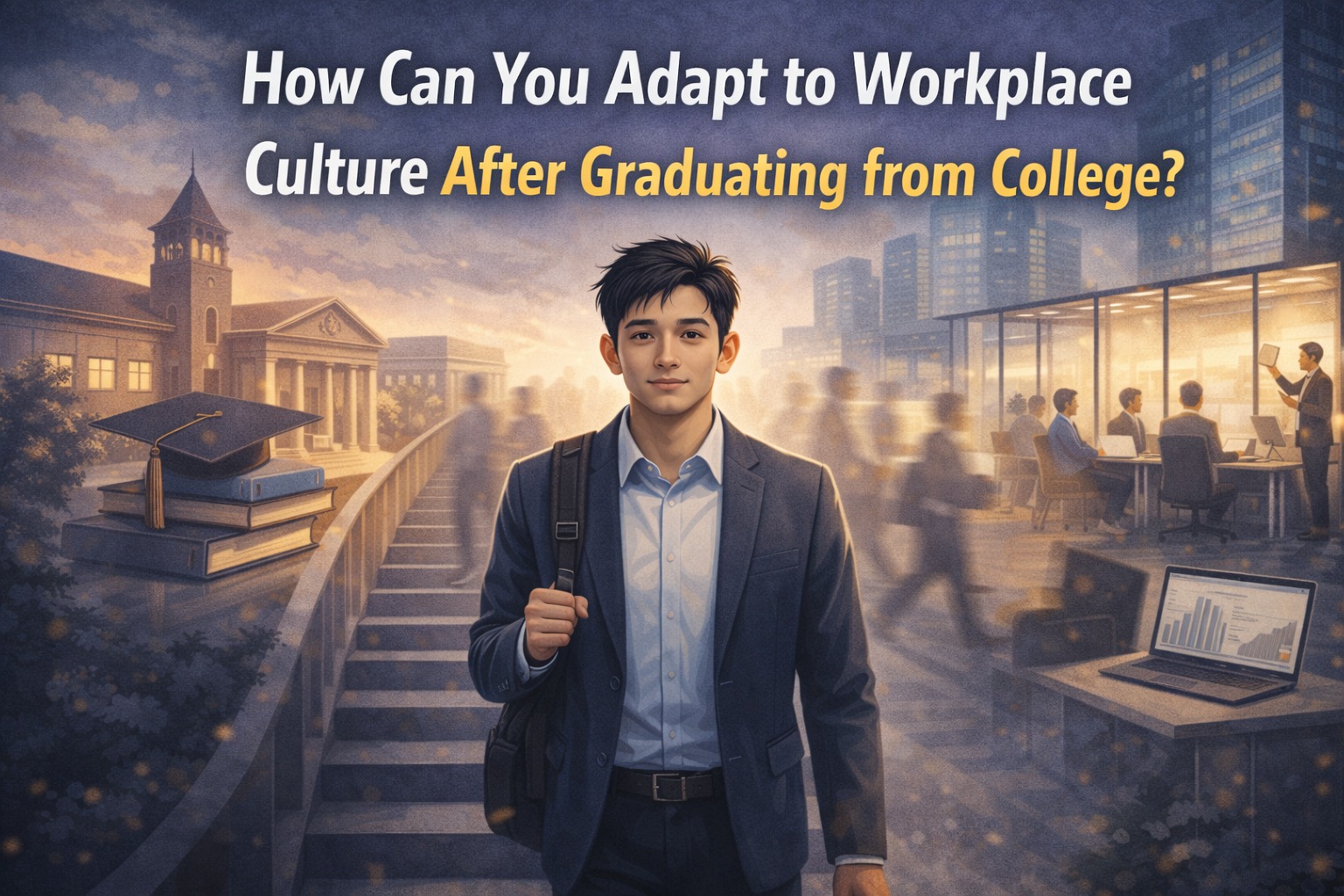
Graduating from college is a major achievement, but the real journey begins when entering the workforce. Many fresh graduates feel shocked because the work environment has rules, rhythms, and expectations that are very different from campus life. Adapting to workplace culture is key to avoiding stress at the beginning of a career.
So, how can you adapt to workplace culture after graduation? Here is a complete guide to help new graduates adjust more quickly and professionally.
Understanding the Difference Between Campus and Office Culture
The first step in the adaptation process is realizing that campus culture and workplace culture are fundamentally different. In college, students have more flexibility in managing their time, dress code, and communication with lecturers and peers.
In contrast, the workplace has professional standards that must be followed. Punctuality, communication etiquette, and professional attire often reflect a person’s work attitude. Understanding these differences helps new graduates avoid mistakes that may create an unprofessional impression.
Observing and Learning from the Surroundings
Every company has its own unique work culture. Some are relaxed yet productive, while others are highly formal and structured. Therefore, new employees should observe carefully before taking action.
Pay attention to how colleagues communicate with supervisors, how meetings are conducted, and how teams solve problems. Through observation, fresh graduates can adjust their behavior without feeling awkward or making missteps.
Maintaining Professional Communication
Communication in the workplace is different from everyday campus conversations. Messages must be clear, polite, and straight to the point. Whether through email, workplace chat platforms, or face-to-face discussions, professionalism must always be maintained.
Learning how to express opinions appropriately, listen to instructions carefully, and avoid interrupting during meetings is an important part of adapting to workplace culture.
Accepting Feedback with an Open Mind
Making mistakes at the beginning of a career is normal. However, what distinguishes growing professionals from others is how they receive feedback. Input from supervisors or colleagues should be seen as a learning opportunity, not as personal criticism.
Being open to evaluation shows maturity and a willingness to grow. It also helps accelerate the adjustment process in a new work environment.
Developing a Strong Work Ethic
Work culture is closely related to work ethic. Arriving on time, meeting deadlines, and taking responsibility for tasks are fundamental habits that should be built from the start.
Taking initiative, helping the team, avoiding procrastination, and staying productive even without strict supervision will help new graduates gain acceptance in a professional environment.
Building Positive Relationships with Colleagues
Adaptation is not only about completing tasks but also about building social relationships at work. Establishing healthy relationships with colleagues creates a comfortable and supportive work environment.
Being friendly, respecting differing opinions, and maintaining teamwork will help fresh graduates feel more confident and accepted within the company culture.
Maintaining Work-Life Balance
A healthy work culture also includes managing time between work and personal life. New graduates are often overly enthusiastic and forget to maintain balance.
Scheduling rest time, maintaining health, and having activities outside of work help sustain energy and reduce stress during the adaptation period.
Conclusion
Adapting to workplace culture after graduation requires time, patience, and a willingness to learn. By understanding the differences between campus and office culture, maintaining professional communication, being open to feedback, and developing a strong work ethic, the transition process will feel smoother.
Work culture is not only about written rules but also about habits, values, and interactions in a professional environment. The faster new graduates adapt, the greater their opportunities to grow and succeed in their careers.
Tentang Penulis
Gusti Ayu Tita
Penulis — Universitas STEKOM
Penulis aktif yang berfokus pada isu-isu akademik, teknologi pendidikan, dan pengembangan sumber daya manusia di lingkungan kampus.