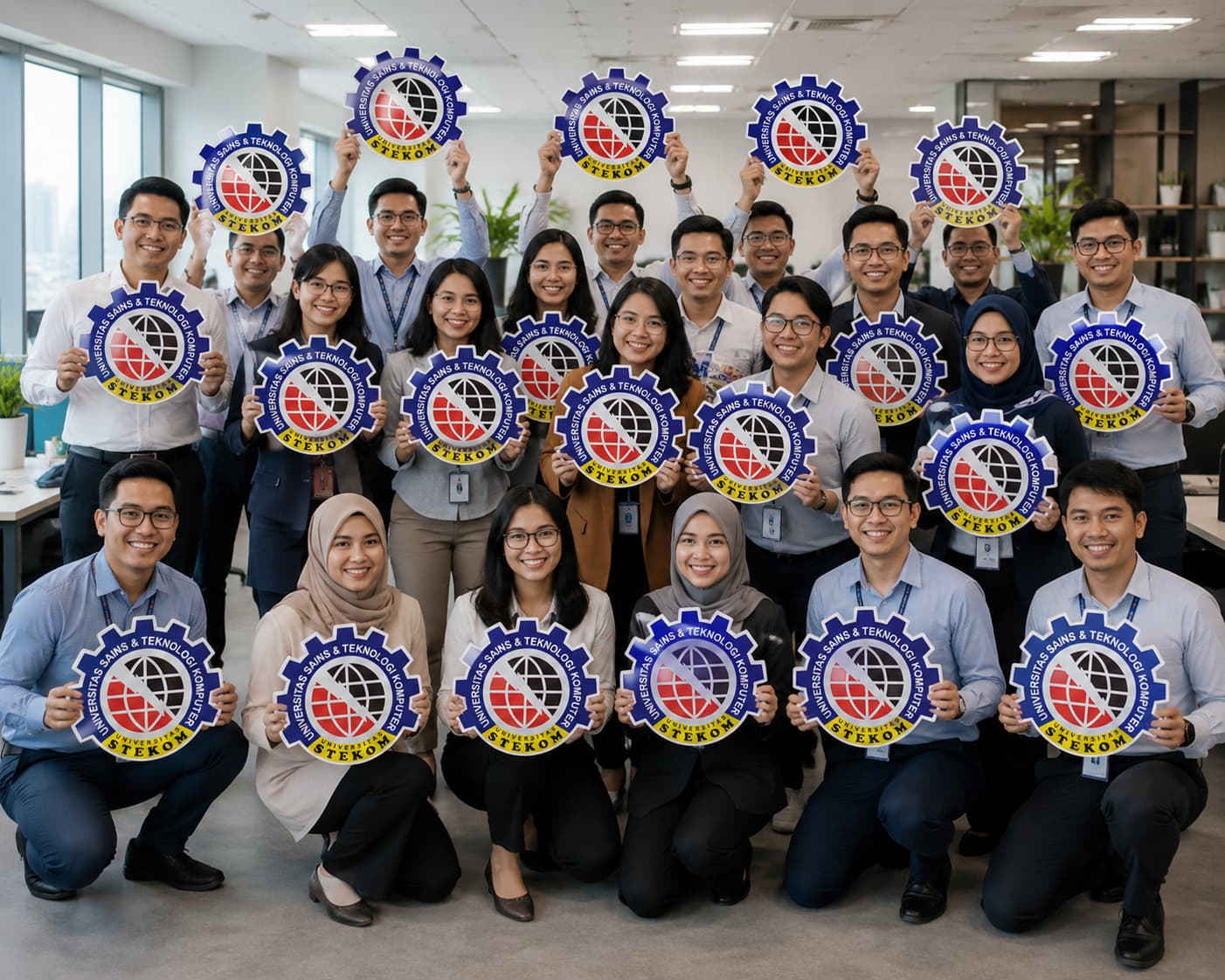
College is more than a place to earn a degree. It is a period of exploration, self-discovery, and preparation for the future. Many students enter university with uncertainty about what truly excites them. This leads to an important question: how can you find your true passion while in college?
Finding your passion does not happen overnight. It requires reflection, experimentation, and consistent effort. The good news is that college provides the perfect environment to begin that journey.
UNDERSTAND WHAT PASSION REALLY MEANS
Before searching for your passion, it is important to define it correctly. Passion is not just a temporary interest or a trending hobby. It is a strong and lasting enthusiasm for something that motivates you to learn, improve, and stay committed even when challenges arise.
Ask yourself simple but honest questions:
- What activities make me lose track of time?
- What topics do I enjoy learning about outside class requirements?
- What kind of work feels meaningful rather than draining?
Your answers can reveal patterns that point toward your true interests.
EXPLORE DIFFERENT EXPERIENCES
College is a unique phase where exploration is encouraged. Join student organizations, attend workshops, participate in competitions, or volunteer for projects. Each experience offers insight into your strengths and preferences.
You may discover that you enjoy leadership roles, creative projects, analytical tasks, or community engagement. Trying different activities allows you to compare experiences and identify what genuinely energizes you.
Exploration is not about being busy. It is about being intentional with the opportunities you choose.
PAY ATTENTION TO YOUR ENERGY AND MOTIVATION
One of the clearest signs of passion is sustained motivation. Notice how you feel when working on certain assignments or participating in specific activities. Do you feel curious and engaged, or simply obligated?
If you are willing to invest extra time to improve your skills in a particular area, that could be a strong indicator of passion. Passion often reveals itself through consistent interest rather than short bursts of excitement.
Self-awareness plays a key role in recognizing these signals.
GAIN REAL-WORLD EXPERIENCE
Internships, part-time jobs, and practical projects bridge the gap between theory and reality. Real-world exposure helps you understand whether your interests align with professional environments.
Sometimes a field that seems appealing in theory may feel different in practice. On the other hand, hands-on experience can strengthen your interest and confirm that you are on the right path.
Testing your interests in real situations prevents you from making career decisions based solely on assumptions.
SEEK GUIDANCE FROM MENTORS
Professors, seniors, and industry professionals can provide valuable perspectives. They may recognize your strengths before you fully realize them yourself.
Discuss your interests, challenges, and long-term goals with trusted mentors. Their feedback can help you refine your direction and avoid common mistakes.
Guidance does not replace your personal journey, but it can make the process clearer and more focused.
ACCEPT THAT PASSION EVOLVES
It is important to understand that passion can change over time. What interests you in your first year may shift as you gain new experiences. This is normal and part of personal growth.
Instead of pressuring yourself to find one perfect answer, focus on continuous learning and improvement. Passion often develops from repeated exposure, skill-building, and meaningful involvement.
College is not just about discovering passion. It is about building it step by step.
CONCLUSION
How can you find your true passion while in college? Start by understanding yourself, exploring different experiences, observing your motivation, gaining real-world exposure, and seeking guidance from mentors.
Passion is not something you stumble upon by chance. It grows through curiosity, reflection, and consistent effort. By actively engaging in your college journey, you increase your chances of discovering a path that aligns with both your interests and your future career goals.
Tentang Penulis
Gusti Ayu Tita
Penulis — Universitas STEKOM
Penulis aktif yang berfokus pada isu-isu akademik, teknologi pendidikan, dan pengembangan sumber daya manusia di lingkungan kampus.