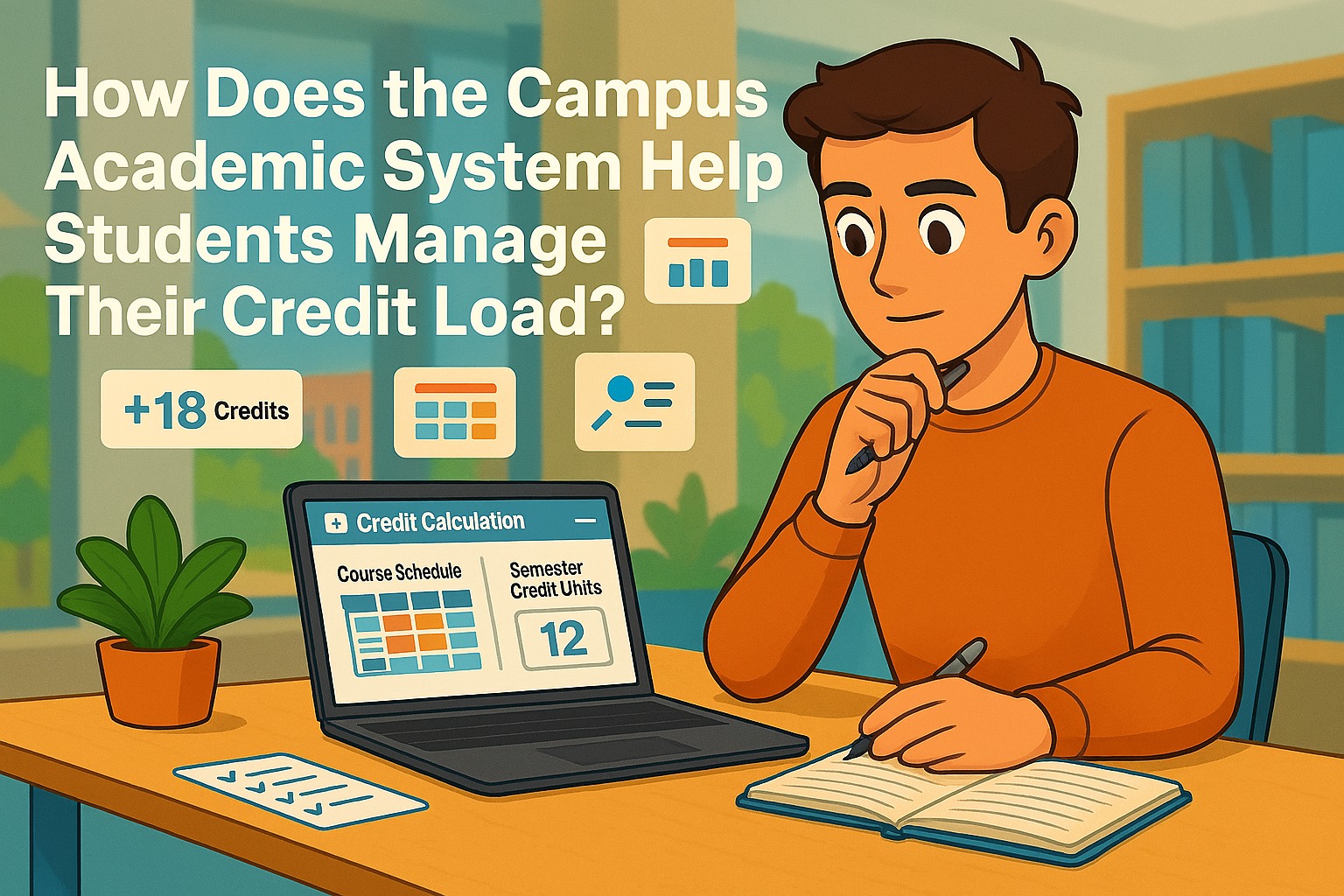
In higher education, students are expected to take greater responsibility for planning and managing their academic journey. One of the most important aspects of this process is managing the credit load each semester. The number of credits students take directly affects their study intensity, time management, and overall academic performance. For this reason, the campus academic system plays a crucial role in helping students regulate and balance their credit load effectively. The campus academic system is designed to provide structure and guidance for students as they progress through their academic programs. Through regulations, credit limits, course prerequisites, and academic monitoring tools, the system helps students make informed decisions about how many courses they should take in each semester. When students understand how the system works, they can manage their credit load more wisely and maintain a healthy balance between academic responsibilities and personal development.
UNDERSTANDING THE CREDIT SYSTEM IN HIGHER EDUCATION
Most universities implement a credit-based academic system that determines the value of each course and the total number of credits required for graduation. Each course is assigned a certain number of credits that represent the expected workload, including lectures, assignments, independent study, and examinations.
The credit system helps students measure their academic progress in a structured way. Instead of taking an unlimited number of courses, students must follow a defined credit limit per semester. This structure prevents students from overloading themselves with too many academic responsibilities at once.
For example, universities typically allow students to take a certain number of credits based on their academic performance in the previous semester. Students with strong academic results may be permitted to enroll in more credits, while those with lower academic performance may be advised to take a lighter course load. This mechanism ensures that students maintain a manageable academic pace.
Understanding this credit structure allows students to organize their semester plans carefully. They can estimate the level of workload they will face and adjust their learning strategies accordingly.
HELPING STUDENTS BALANCE ACADEMIC WORKLOAD
One of the main advantages of the campus academic system is its ability to help students balance their academic workload. Without a structured system, students might unknowingly choose too many difficult courses in a single semester, which could lead to academic stress and decreased performance.
The academic system provides guidelines that help distribute courses across multiple semesters. This distribution ensures that students can focus on learning effectively rather than rushing through excessive academic obligations.
In addition, academic advisors and digital academic portals often provide recommendations about course selection. These tools allow students to see which courses are available, how many credits they carry, and whether they fit into the recommended study plan.
Through this structured guidance, students can create a balanced schedule that includes both core courses and supporting subjects. A well-balanced academic schedule allows students to maintain concentration, manage deadlines, and stay motivated throughout the semester.
SUPPORTING STRATEGIC SEMESTER PLANNING
The campus academic system also encourages students to plan their semesters strategically. Since the number of credits that can be taken each semester is limited, students must think carefully about which courses they prioritize.
Strategic planning becomes especially important when dealing with prerequisite courses. Many advanced subjects require students to complete foundational courses first. If students fail to plan properly, they may face delays in taking important classes that are only offered in specific semesters.
By understanding the academic system, students can map out their study trajectory from the beginning of their academic journey. They can identify which courses must be completed early and which subjects can be taken later.
This long-term planning helps students avoid unnecessary academic delays. It also ensures that students progress through their curriculum smoothly and complete their degree within the expected timeframe.
PREVENTING ACADEMIC OVERLOAD AND BURNOUT
Another important function of the academic system is preventing academic overload. Taking too many credits at once can lead to fatigue, stress, and decreased academic productivity. Students who overload their schedules may struggle to complete assignments, prepare for examinations, and maintain consistent learning habits.
The credit regulation system is designed to protect students from these risks. By limiting the number of credits that can be taken each semester, universities encourage students to maintain a realistic and sustainable study pace.
Furthermore, academic monitoring systems allow students to evaluate their performance and adjust their credit load if necessary. If a student experiences academic difficulties, they may reduce their course load in the following semester to focus on improving their understanding of key subjects.
This flexibility helps students maintain their mental well-being while continuing to progress academically.
ENCOURAGING RESPONSIBLE ACADEMIC DECISION-MAKING
Managing credit load is not only about following academic regulations but also about developing responsible decision-making skills. The campus academic system provides the structure, but students must still make thoughtful choices regarding their course selections.
Students who understand the system are more likely to evaluate their abilities, available time, and academic goals before registering for courses. They learn to consider whether they can realistically handle the workload associated with each subject.
This process encourages self-awareness and academic responsibility. Students become more mindful of their learning capacity and avoid making impulsive decisions that could negatively affect their academic performance.
Over time, this habit of careful planning strengthens students’ ability to manage complex responsibilities, a skill that is highly valuable in professional life.
BUILDING A MORE ORGANIZED ACADEMIC JOURNEY
Ultimately, the campus academic system serves as a guide that helps students structure their educational journey. By regulating credit loads and providing clear academic pathways, the system ensures that students progress through their studies in an organized and manageable way.
Students who understand how the system works are better equipped to plan their academic activities, manage their workload, and maintain consistent academic performance. They can develop study strategies that align with their credit load and learning capacity.
This organized approach not only supports academic success but also creates a more positive and productive university experience. When students feel in control of their academic responsibilities, they are more likely to stay motivated and engaged in their learning process.
In the long term, the ability to manage academic responsibilities effectively becomes an important foundation for future professional challenges and lifelong learning.
Tentang Penulis
Gusti Ayu Tita
Penulis — Universitas STEKOM
Penulis aktif yang berfokus pada isu-isu akademik, teknologi pendidikan, dan pengembangan sumber daya manusia di lingkungan kampus.