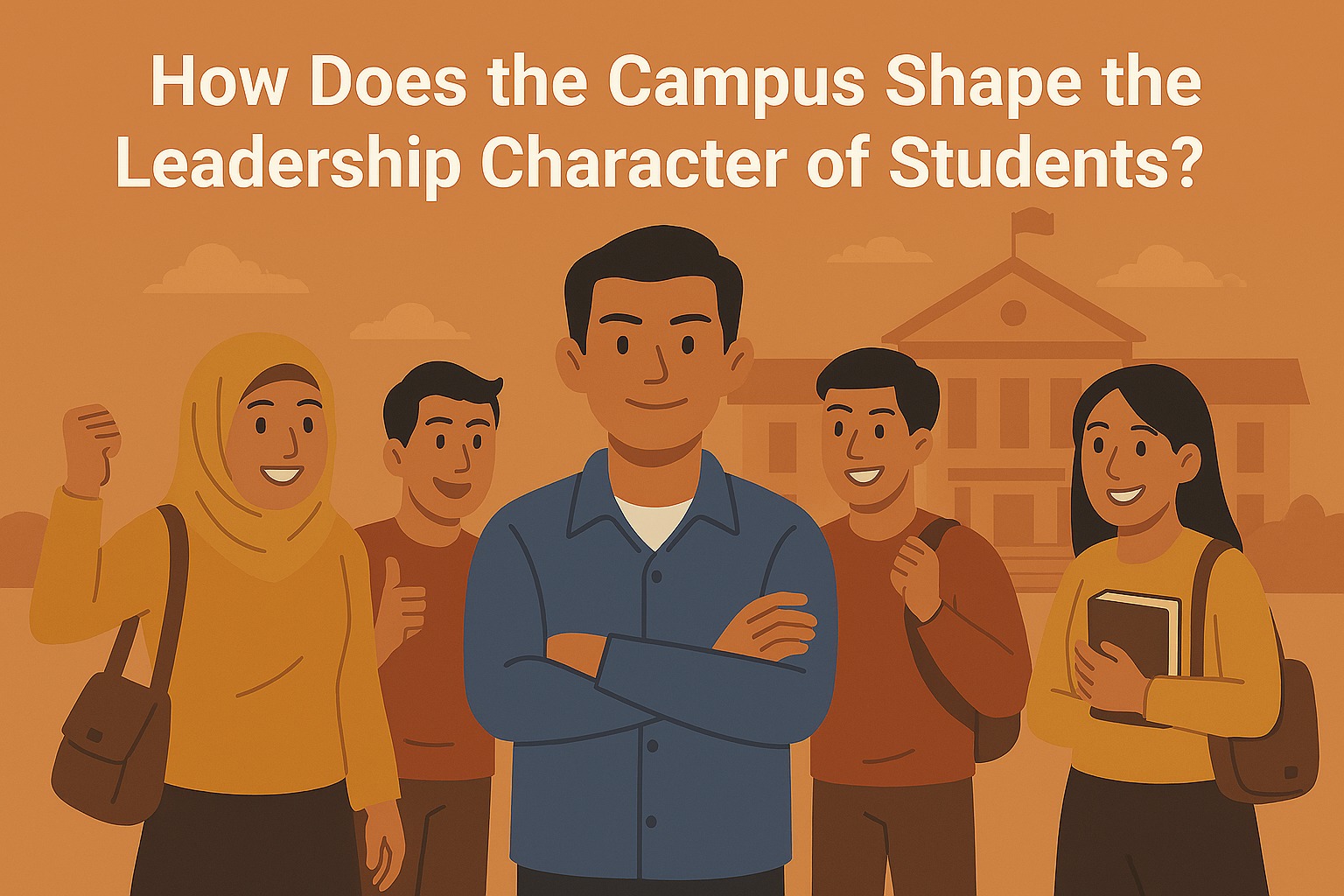
The campus environment is often seen as a melting pot of ideas, cultures, and experiences. It is in this dynamic space where students undergo a profound transformation, not just academically but also in terms of personal growth. One of the key aspects of this transformation is the development of leadership qualities. But how does the campus shape the leadership character of students? In this article, we will explore the role that various campus experiences play in cultivating leadership skills among students.
CAMPUS ACTIVITIES AND LEADERSHIP DEVELOPMENT
One of the most significant ways a campus shapes students' leadership character is through its extracurricular activities. From student organizations to community service programs, these activities offer students a platform to take on leadership roles. Being in charge of a club, leading a team for an event, or even volunteering for a social cause helps students hone critical leadership skills such as decision-making, teamwork, communication, and problem-solving. These experiences build confidence and help students learn how to lead in diverse situations.
INTERACTIONS WITH DIVERSE PEERS
The campus is a melting pot of individuals from various backgrounds, cultures, and belief systems. When students interact with peers who have different perspectives, they gain valuable insights into the complexities of leadership. Understanding and managing diversity is an essential leadership skill. Through engaging with peers from different walks of life, students learn how to adapt their leadership styles, communicate effectively, and resolve conflicts—skills that are indispensable for future leaders in any field.
MENTORSHIP AND ROLE MODELS
Another powerful way that the campus shapes leadership is through mentorship programs and role models. Many universities offer mentorship programs where students are paired with experienced professionals, faculty members, or alumni. These mentors guide students in navigating academic and personal challenges while also offering valuable insights into leadership. Having access to such guidance allows students to gain a deeper understanding of leadership styles, ethics, and the importance of service to others.
In addition to formal mentorship, students also look up to faculty members and campus leaders as role models. Observing these individuals in action provides students with real-world examples of effective leadership, which they can emulate in their own lives. Whether it is a professor showing dedication in their field or a student body president leading with integrity, these role models leave a lasting impact on students' leadership development.
LEADERSHIP TRAINING AND WORKSHOPS
Many campuses offer specialized leadership training programs and workshops. These workshops are designed to teach students about different aspects of leadership, such as strategic thinking, emotional intelligence, and conflict resolution. Through hands-on activities and group discussions, students are able to practice their leadership skills in a safe and supportive environment. Such training sessions can be particularly beneficial for students who may not have had prior leadership experience but are eager to develop these skills for their future careers.
REAL-LIFE APPLICATIONS AND CHALLENGES
The campus also provides students with opportunities to apply their leadership skills in real-world situations. Whether it’s organizing a charity event, leading a team for a research project, or representing a student group in meetings with university administration, students get a chance to put theory into practice. These real-life challenges test their leadership abilities and help them learn from their successes and failures. By navigating these experiences, students build resilience, learn how to handle pressure, and develop a greater sense of responsibility.
THE ROLE OF CAMPUS CULTURE IN LEADERSHIP
The culture of a campus can also significantly impact students' leadership development. Campuses that encourage collaboration, inclusivity, and a strong sense of community foster an environment where leadership can flourish. When students feel supported and empowered, they are more likely to take on leadership roles and contribute to the betterment of their community. Conversely, campuses that promote competition and individualism may create an environment where students focus more on personal achievements than on developing collective leadership skills.
CONCLUSION
In conclusion, the campus plays a crucial role in shaping the leadership character of students. Through extracurricular activities, interactions with diverse peers, mentorship, leadership training, and real-life applications, students are provided with ample opportunities to cultivate and refine their leadership skills. The campus environment not only shapes students academically but also plays a pivotal role in preparing them for leadership roles in their future careers and communities.
By embracing these opportunities, students can develop into confident, capable, and compassionate leaders ready to face the challenges of tomorrow.
Tentang Penulis
Gusti Ayu Tita
Penulis — Universitas STEKOM
Penulis aktif yang berfokus pada isu-isu akademik, teknologi pendidikan, dan pengembangan sumber daya manusia di lingkungan kampus.