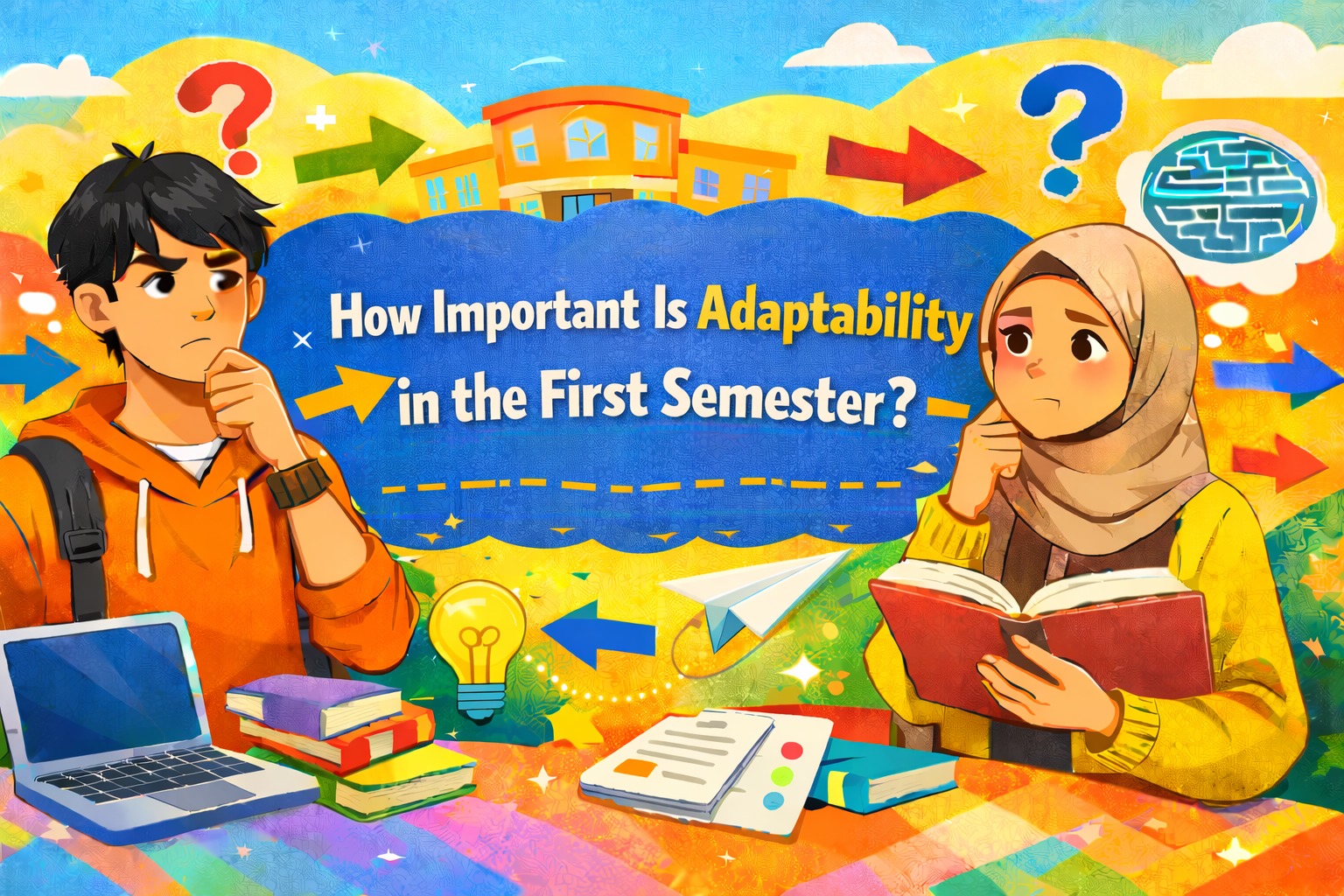
Starting the first semester of university is an exciting yet challenging time for new students. One of the most critical skills for success is adaptability. Students face new academic expectations, diverse learning environments, and social adjustments that require flexibility and quick learning.
Understanding the role of adaptability helps students navigate challenges effectively and build a strong foundation for their college journey.
ACADEMIC ADJUSTMENTS
One of the main areas where adaptability is crucial is academics. University courses demand independent learning, time management, and critical thinking, which can differ greatly from high school expectations.
Students who adapt quickly to these academic requirements are better equipped to handle workloads and perform well in exams and assignments.
MANAGING TIME AND PRIORITIES
Adaptability also plays a key role in time management. The first semester often involves balancing lectures, assignments, extracurricular activities, and personal responsibilities.
Being flexible in adjusting schedules and priorities allows students to stay organized and reduce stress while meeting deadlines effectively.
SOCIAL AND ENVIRONMENTAL ADJUSTMENT
University introduces students to a diverse social and cultural environment. Adapting to new peer groups, classroom dynamics, and campus culture helps students build relationships and feel more comfortable in their surroundings.
Social adaptability fosters collaboration, networking, and a sense of belonging that supports overall well-being.
HANDLING UNEXPECTED CHALLENGES
The first semester can bring unexpected challenges, such as difficult courses, unfamiliar teaching styles, or technical issues with online platforms.
Students who remain adaptable can respond proactively, seek solutions, and maintain academic performance despite these obstacles.
STRATEGIES TO DEVELOP ADAPTABILITY
New students can strengthen adaptability by:
* Staying open to new experiences and learning methods.
* Reflecting on challenges and adjusting strategies accordingly.
* Seeking advice from mentors, advisors, or senior students.
* Developing problem-solving and time-management skills.
* Participating in clubs, workshops, and collaborative activities.
These strategies help students respond effectively to changes and thrive in the dynamic university environment.
CONCLUSION
Adaptability is essential in the first semester, influencing academic success, time management, social integration, and the ability to handle unexpected challenges. By embracing flexibility and developing adaptive strategies, students can navigate their initial semester confidently and lay a strong foundation for future growth.
Tentang Penulis
Gusti Ayu Tita
Penulis — Universitas STEKOM
Penulis aktif yang berfokus pada isu-isu akademik, teknologi pendidikan, dan pengembangan sumber daya manusia di lingkungan kampus.