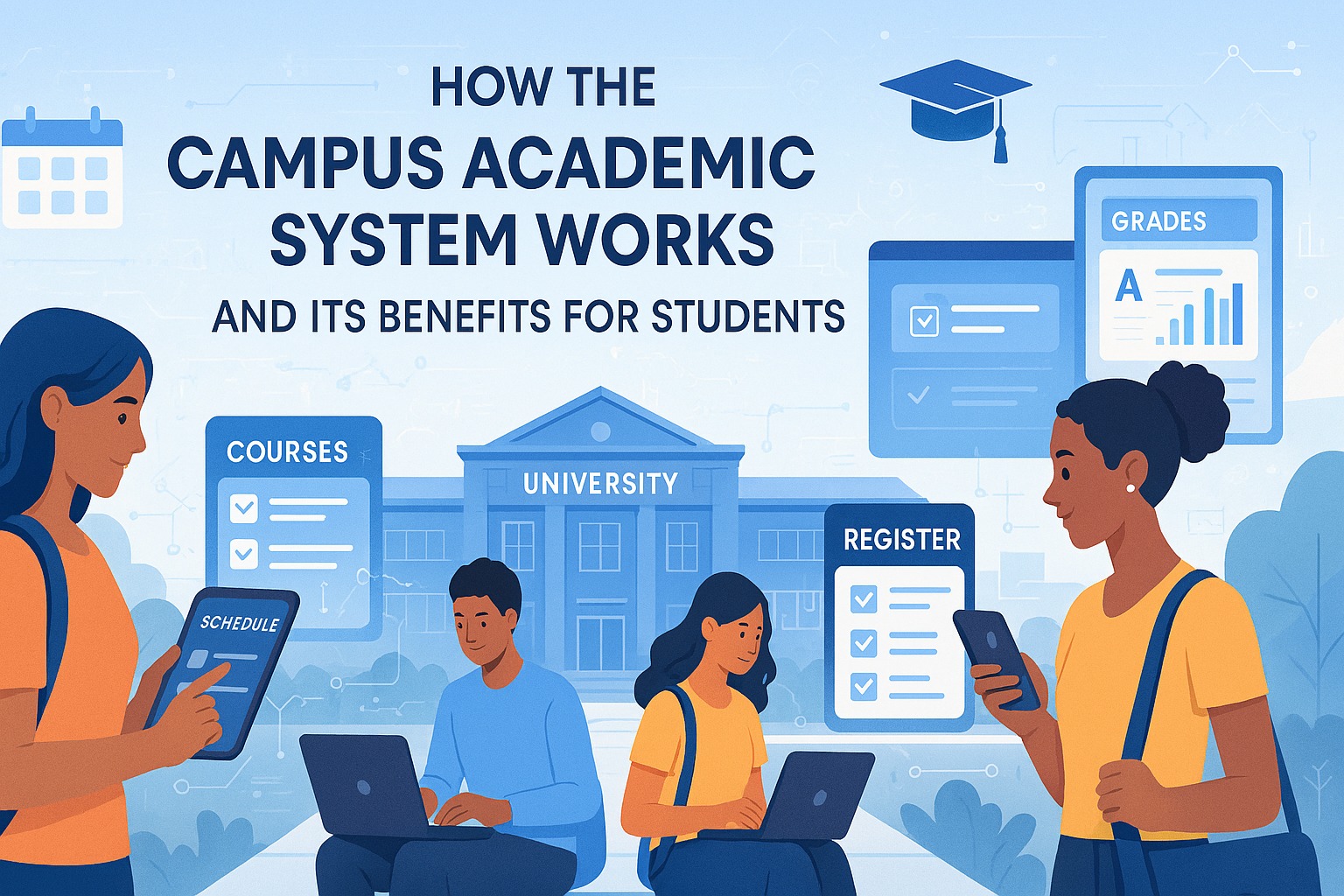
The campus academic system is the foundation of any higher education institution. It provides a structured framework that guides students through their studies, ensuring that learning objectives are clear and achievable. Without a clear understanding of this system, students may struggle to meet requirements or maximize their academic potential.
Every university or college has its own specific academic system, but most share common elements such as credit hours, course sequencing, grading policies, and program requirements. By understanding these elements, students can plan their semesters effectively and avoid unnecessary delays in their academic journey.
The system also includes academic calendars, which detail semester start and end dates, holidays, and examination periods. Familiarity with the calendar allows students to manage their time efficiently and balance coursework with extracurricular activities.
Moreover, the academic system sets the standards for assessment and evaluation. Students learn what is expected in terms of assignments, projects, and examinations. This clarity helps reduce confusion and anxiety, making the academic experience more structured and predictable.
THE ROLE OF COURSE REGISTRATION AND PLANNING
One of the most important aspects of the campus academic system is course registration. Each semester, students select courses that align with their academic goals and degree requirements. Proper planning ensures that prerequisites are met and that students stay on track for timely graduation.
Many institutions provide academic advisors to help students navigate course selection. These advisors guide students in choosing courses that match their interests while maintaining a balanced workload. Seeking guidance early can prevent conflicts, such as overlapping schedules or missed opportunities for essential classes.
Planning also includes understanding credit requirements. Most programs require students to complete a set number of credits to graduate. Awareness of credit distribution across core, elective, and major-specific courses ensures that students meet graduation requirements without unnecessary delays.
Additionally, course planning allows students to explore diverse subjects. This can broaden their knowledge base and help in identifying potential career interests. The academic system encourages students to balance required courses with electives that enhance personal growth and professional skills.
GRADING SYSTEMS AND PERFORMANCE EVALUATION
A clear grading system is essential for measuring student performance. The campus academic system typically uses letter grades, grade points, and cumulative GPA to assess achievement. Understanding how grades are calculated allows students to monitor their progress effectively.
Performance evaluation goes beyond exams. Assignments, projects, presentations, and participation are also important factors in grading. Recognizing this helps students prioritize their efforts and develop a well-rounded skill set.
Grades also impact future opportunities. Scholarships, internships, and graduate programs often have minimum GPA requirements. By understanding the grading system, students can set realistic goals and strive for academic excellence.
Furthermore, evaluation feedback provides insights into strengths and areas for improvement. Constructive feedback encourages continuous learning and helps students develop critical thinking and problem-solving skills that are valuable beyond the classroom.
ACADEMIC SUPPORT SERVICES AND RESOURCES
The campus academic system includes a variety of support services designed to help students succeed. Libraries, tutoring centers, and online resources provide access to knowledge and guidance for effective learning.
Academic support services often include workshops on study skills, time management, and exam preparation. Engaging with these resources can improve academic performance and reduce stress.
Many institutions also offer counseling services for academic challenges. Students can receive personalized advice to address difficulties in coursework or learning strategies, ensuring no one falls behind.
Additionally, technology plays a key role in academic support. Learning management systems, online portals, and digital libraries allow students to access course materials anytime, facilitating independent study and flexibility in learning.
THE IMPORTANCE OF ACADEMIC POLICIES AND REGULATIONS
Understanding academic policies is critical for success. These policies cover attendance, academic integrity, course withdrawals, and graduation requirements. Following them ensures smooth progress through the program.
Academic integrity policies promote honesty in coursework. Plagiarism and cheating are strictly prohibited, and students must understand the consequences of violations. Awareness of these rules fosters ethical behavior and accountability.
Policies on attendance and participation help maintain discipline and engagement. Regular attendance is often linked to better academic performance, and understanding expectations encourages students to be responsible learners.
Furthermore, knowing the regulations around course changes or leaves of absence allows students to handle unexpected challenges without jeopardizing their academic standing. Policies are designed to support students while maintaining academic standards.
BENEFITS OF UNDERSTANDING THE CAMPUS ACADEMIC SYSTEM
Familiarity with the academic system provides multiple benefits. Students can plan their studies efficiently, avoid unnecessary stress, and achieve their academic goals on time.
Understanding the system also enhances confidence. When students know how the evaluation works, how to register for courses, and what resources are available, they feel empowered to take control of their education.
Being aware of academic policies and support services ensures students can navigate challenges smoothly. They can seek help when needed, maintain ethical standards, and make informed decisions about their studies.
Finally, a well-understood academic system contributes to long-term success. It prepares students for professional environments where planning, time management, and adherence to rules are crucial. The system not only supports academic achievement but also nurtures skills valuable throughout life.
Tentang Penulis
Gusti Ayu Tita
Penulis — Universitas STEKOM
Penulis aktif yang berfokus pada isu-isu akademik, teknologi pendidikan, dan pengembangan sumber daya manusia di lingkungan kampus.