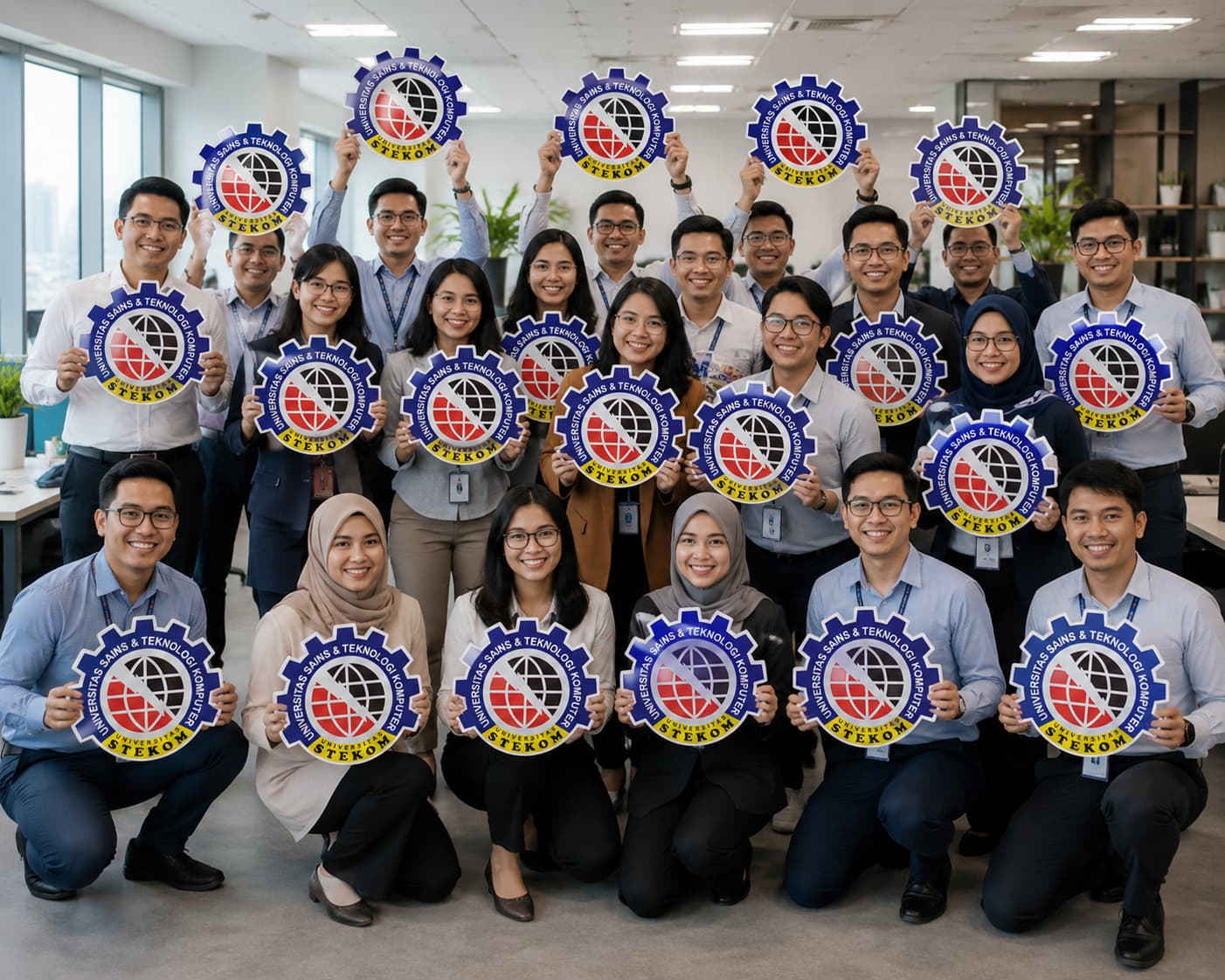
Success does not come instantly. Every person faces failure, rejection, and difficult moments in life. However, people who continue moving forward despite challenges usually achieve greater success in the long run. Developing a never give up mentality is essential for building confidence, improving resilience, and reaching personal goals. With the right mindset, obstacles can become opportunities for growth and self-improvement.
UNDERSTANDING THE POWER OF A STRONG MINDSET
A never give up mentality starts with believing that every problem has a solution. People with strong mental resilience understand that failure is not the end of the journey. Instead, failure becomes a lesson that helps them improve.
Positive thinking also plays an important role in developing mental strength. When individuals focus on solutions rather than problems, they become more motivated to continue trying. A strong mindset helps people stay calm under pressure and maintain focus on their goals.
In addition, self-discipline is necessary for building consistency. Small daily habits such as waking up early, exercising, reading, and learning new skills can strengthen determination over time.
EFFECTIVE WAYS TO BUILD A NEVER GIVE UP ATTITUDE
One of the best ways to develop persistence is by setting realistic goals. Large goals may feel overwhelming, so breaking them into smaller steps can make progress easier to achieve. Each small success increases motivation and confidence.
Another important strategy is learning from failure. Instead of feeling discouraged, successful people analyze their mistakes and find ways to improve. Failure should be viewed as part of the learning process rather than something to fear.
Surrounding yourself with supportive people is also beneficial. Positive environments encourage motivation and emotional strength. Friends, mentors, or family members can provide encouragement during difficult situations.
Maintaining physical and mental health is equally important. Regular exercise, enough sleep, and healthy eating habits improve energy levels and emotional stability. A healthy body often supports a stronger and more determined mind.
COMMON CHALLENGES THAT TEST MENTAL STRENGTH
Everyone experiences moments of doubt and frustration. Fear of failure is one of the most common reasons people give up too quickly. Many individuals stop trying because they worry about criticism or disappointment.
Lack of motivation can also become a challenge. Motivation naturally rises and falls, which is why discipline is more important than temporary excitement. Staying committed even when motivation disappears is a key characteristic of mentally strong individuals.
Another challenge is comparing yourself to others. Social media often creates unrealistic expectations, making people feel left behind. Instead of comparing your progress to someone else’s success, focus on your own journey and personal growth.
Patience is also necessary because meaningful success usually takes time. Developing skills, building careers, or improving personal habits requires continuous effort and long-term commitment.
CONCLUSION
Developing a never give up mentality is a lifelong process that requires patience, discipline, and positive thinking. Challenges and failures are unavoidable, but they can become valuable lessons that strengthen character and determination. By setting clear goals, learning from mistakes, maintaining healthy habits, and surrounding yourself with supportive people, you can build the resilience needed to achieve long-term success. A strong mindset will help you continue moving forward even during the most difficult moments in life.
Tentang Penulis
Gusti Ayu Tita
Penulis — Universitas STEKOM
Penulis aktif yang berfokus pada isu-isu akademik, teknologi pendidikan, dan pengembangan sumber daya manusia di lingkungan kampus.