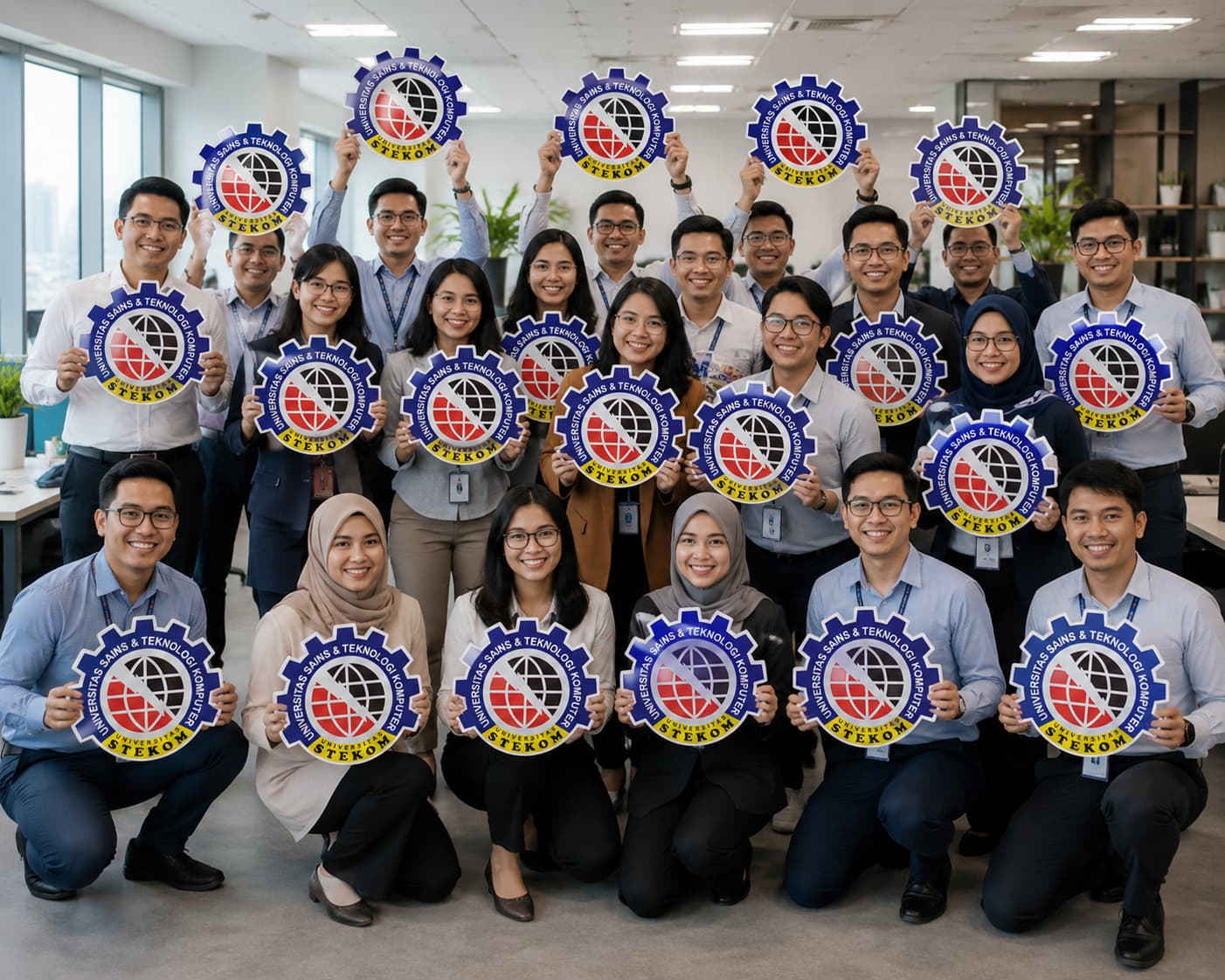
Failure is often seen as something to avoid at all costs. Many people fear mistakes because they associate them with disappointment, embarrassment, or loss. However, the truth is quite the opposite: failure can be one of the most powerful teachers on the journey to success. Those who achieve remarkable results rarely succeed on the first attempt—they learn, adapt, and grow from their setbacks.
WHY FAILURE IS A POWERFUL TEACHER
Failure provides real-world feedback that success alone cannot offer. When things go wrong, we are forced to examine our strategies, habits, and mindset. This reflection helps us understand what needs to change.
Instead of viewing failure as a sign of weakness, it should be seen as valuable information. Every unsuccessful attempt reveals what doesn’t work, narrowing the path toward what does. In many cases, failure pushes individuals to develop resilience, patience, and problem-solving skills that would otherwise remain hidden.
THE MINDSET SHIFT: FROM FEAR TO GROWTH
One of the biggest obstacles to success is the fear of failure. This fear can stop people from trying new things, taking risks, or stepping outside their comfort zone. A growth mindset transforms this fear into curiosity.
When people embrace a growth mindset, they begin to ask:
* What can I learn from this experience?
* How can I improve next time?
* What new opportunities does this open?
This shift turns failure from a stopping point into a stepping stone.
COMMON LESSONS LEARNED FROM FAILURE
Although every situation is unique, many failures teach similar lessons. Some of the most common include:
**1. Persistence matters.**
Success often requires repeated attempts. Many breakthroughs happen after multiple setbacks.
**2. Adaptability is essential.**
What worked in the past may not work today. Failure encourages innovation and flexibility.
**3. Preparation reduces risk.**
Mistakes often reveal gaps in planning, skills, or knowledge, giving us a chance to improve.
**4. Confidence grows through challenges.**
Overcoming obstacles builds self-belief and mental strength.
HOW TO TURN FAILURE INTO SUCCESS
Transforming failure into progress requires intentional action. Here are practical steps to make that transformation possible:
**Analyze the situation.**
Take time to understand what went wrong without blaming yourself excessively.
**Identify lessons learned.**
Write down key insights so the experience becomes a source of knowledge.
**Create a new strategy.**
Use your lessons to design a better plan and set realistic goals.
**Take action again.**
The most important step is trying once more with improved awareness.
REAL SUCCESS STORIES BEGIN WITH FAILURE
Many inspiring achievements are built on a foundation of setbacks. Behind every success story lies a series of lessons learned through persistence and determination. Failure often shapes character, strengthens discipline, and prepares individuals for bigger opportunities.
When people stop fearing failure and start learning from it, they unlock their true potential.
CONCLUSION
Failure is not the opposite of success—it is part of the journey toward it. By embracing mistakes as learning opportunities, anyone can develop the resilience and wisdom needed to move forward. Every setback carries the seeds of growth, and every lesson brings us closer to our goals.
Success does not belong to those who never fail, but to those who never stop trying.
Tentang Penulis
Gusti Ayu Tita
Penulis — Universitas STEKOM
Penulis aktif yang berfokus pada isu-isu akademik, teknologi pendidikan, dan pengembangan sumber daya manusia di lingkungan kampus.