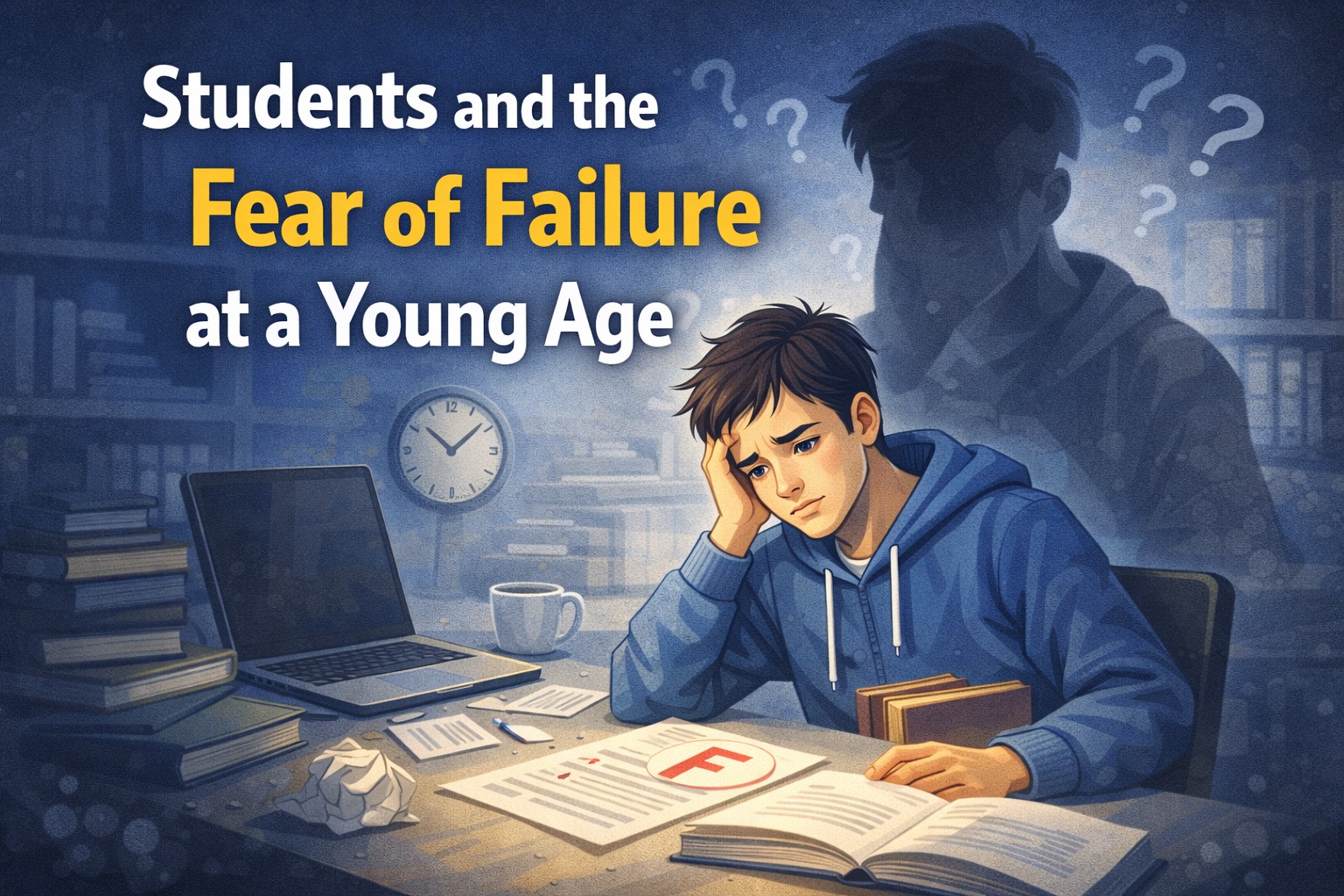
Youth is often considered the best phase to try many things and chase dreams. However, for some students, this period is filled with fear of failure. Academic pressure, social demands, and future expectations make failure feel like a major threat to be avoided.
The fear of failure among students does not appear without reason. Competitive environments and high standards of success make students feel that every step must be perfect. As a result, many become trapped in anxiety and self-doubt.
THE ROOTS OF STUDENTS’ FEAR OF FAILURE
Fear of failure often stems from expectations coming from many directions. Families expect timely graduation, campuses demand academic achievement, and social circles constantly compare accomplishments.
Students also tend to associate failure with self-worth. When results do not meet expectations, feelings of shame, disappointment, and fear of being judged as incapable arise. This mindset makes failure seem like the end, rather than part of the learning process.
ACADEMIC PRESSURE AND COMPETITION
Higher education systems that emphasize grades and rankings further strengthen the fear of failure. Students strive to meet certain standards without always understanding their own limits.
Unhealthy competition can trigger excessive stress and remove the true meaning of learning. Instead of growing, students focus more on avoiding mistakes to maintain their academic image.
PSYCHOLOGICAL IMPACT ON STUDENTS
Prolonged fear of failure can seriously affect students’ psychological well-being. Excessive anxiety, overthinking, and loss of motivation are common symptoms.
In some cases, students delay assignments, avoid challenges, or withdraw socially because they fear unsatisfactory results. This condition can hinder both personal and academic development.
THE ROLE OF ENVIRONMENT IN SHAPING MINDSETS
Campus and family environments play a major role in shaping how students view failure. When failure is always linked to punishment or disappointment, students become more afraid to try.
On the other hand, environments that allow room to learn from mistakes help students build stronger mental resilience. Emotional support and open communication are key to reducing pressure.
BUILDING A HEALTHY RELATIONSHIP WITH FAILURE
Changing the perspective on failure is an important step for students. Failure is not a sign of incompetence, but part of the growth process.
Students need to learn to recognize their limits, set realistic goals, and give themselves space to try without fear of making mistakes. This allows youth to become a healthy phase of exploration rather than a source of prolonged anxiety.
TOWARD MORE RESILIENT STUDENTS
Facing the fear of failure requires courage and self-awareness. Campuses, families, and students themselves must work together to create an environment that supports a humane learning process.
Students who can accept failure wisely will be better prepared to face life’s challenges after graduation. This mental resilience becomes an essential asset for the journey toward the future.
Tentang Penulis
Gusti Ayu Tita
Penulis — Universitas STEKOM
Penulis aktif yang berfokus pada isu-isu akademik, teknologi pendidikan, dan pengembangan sumber daya manusia di lingkungan kampus.