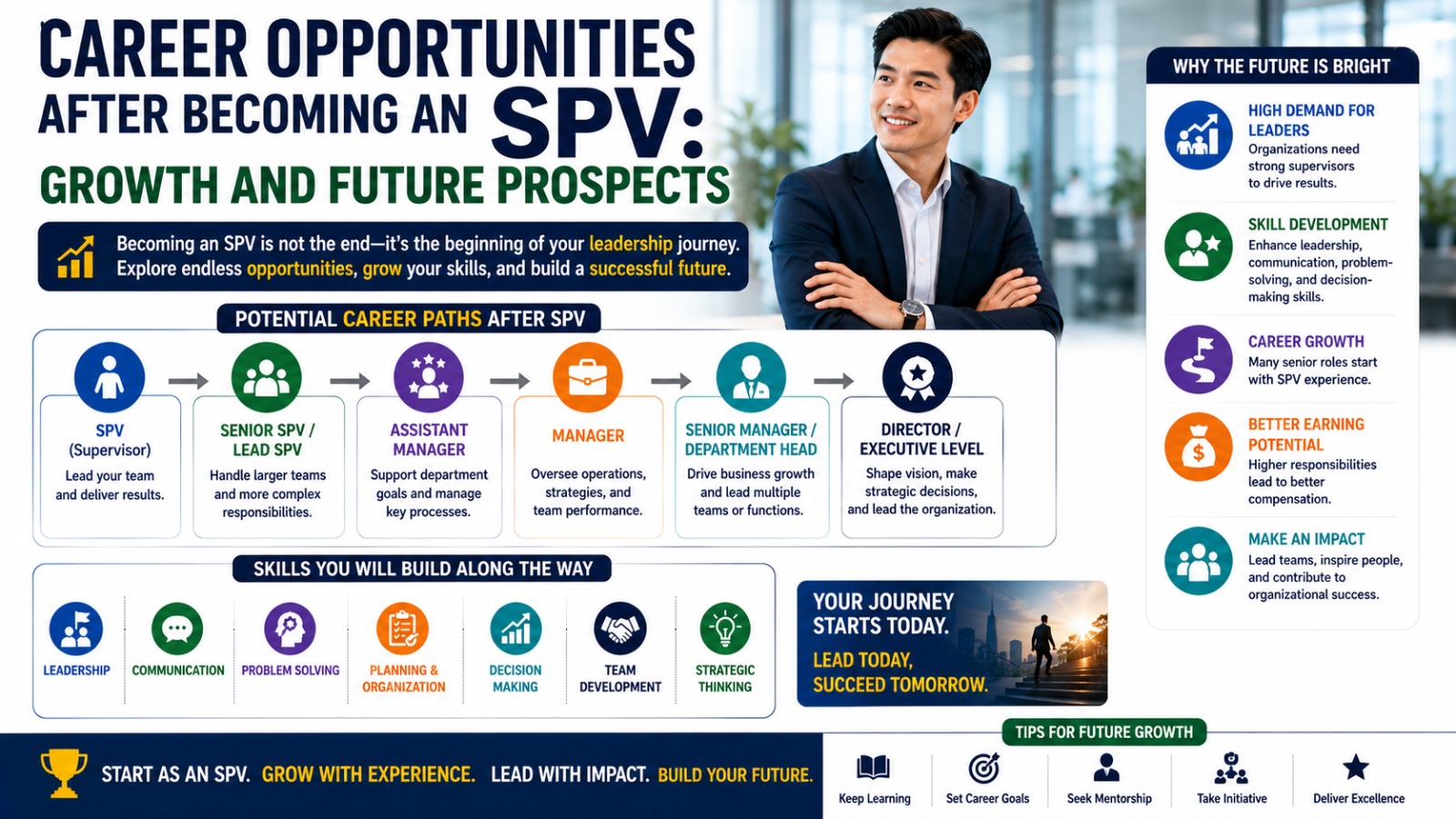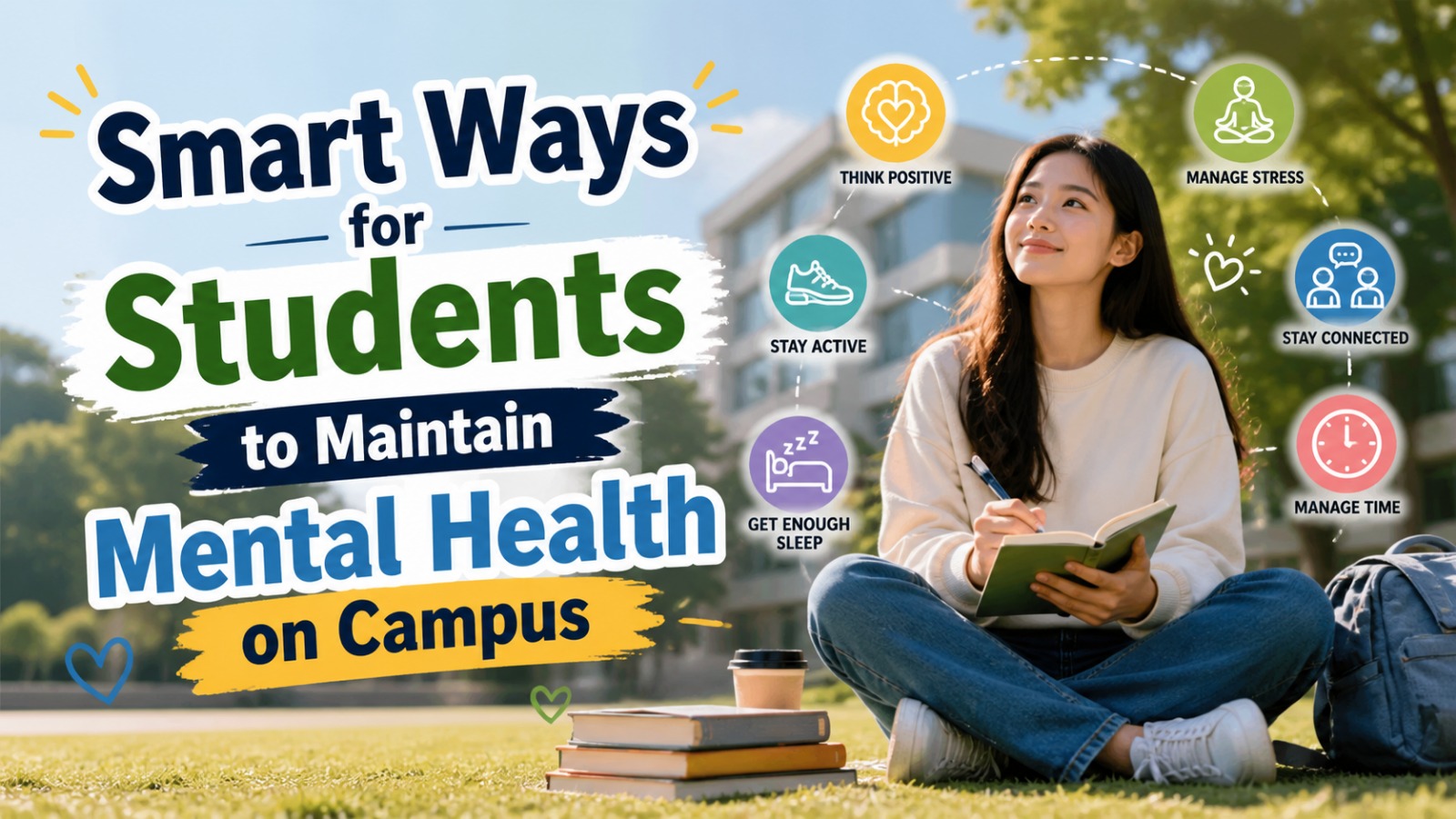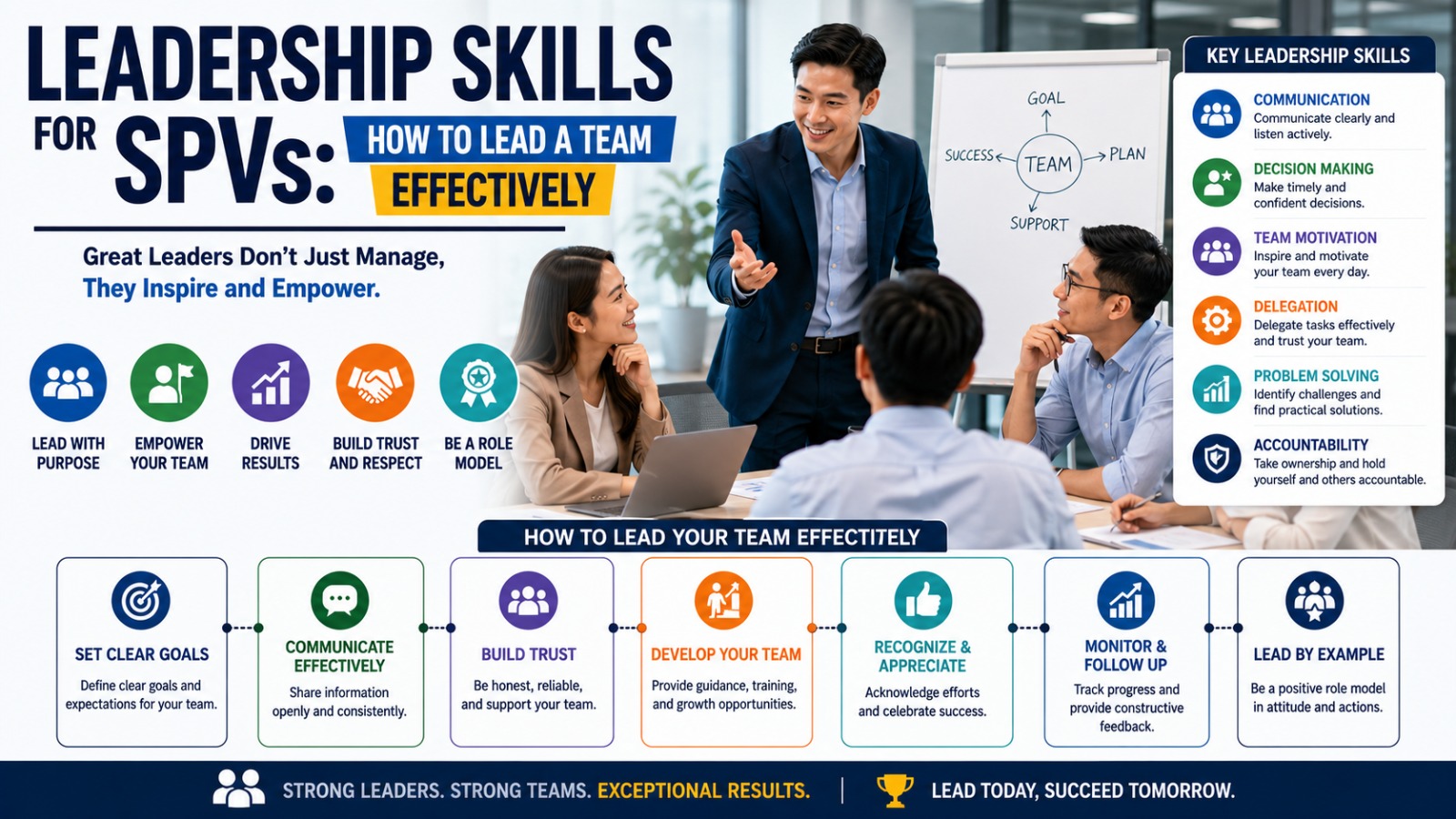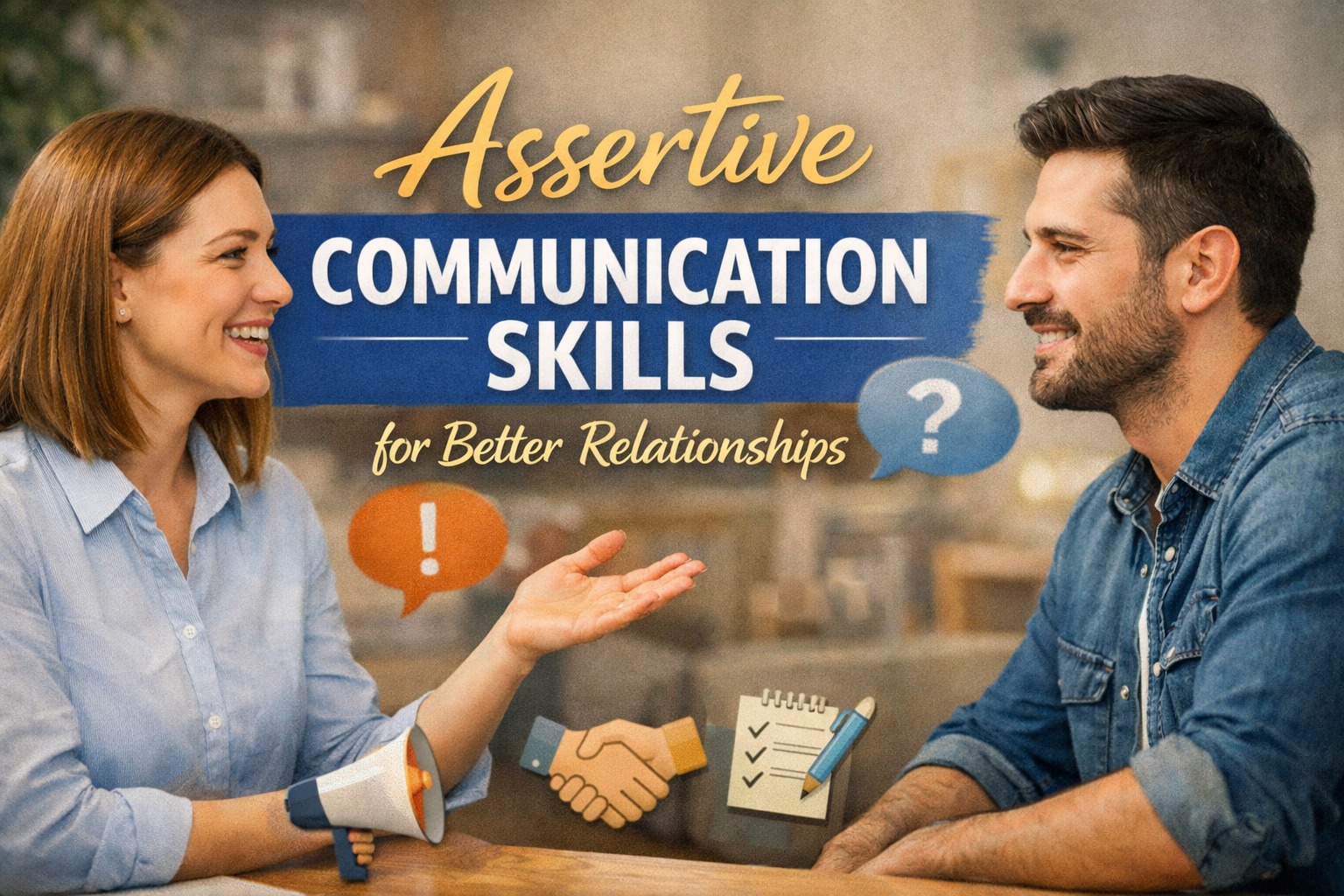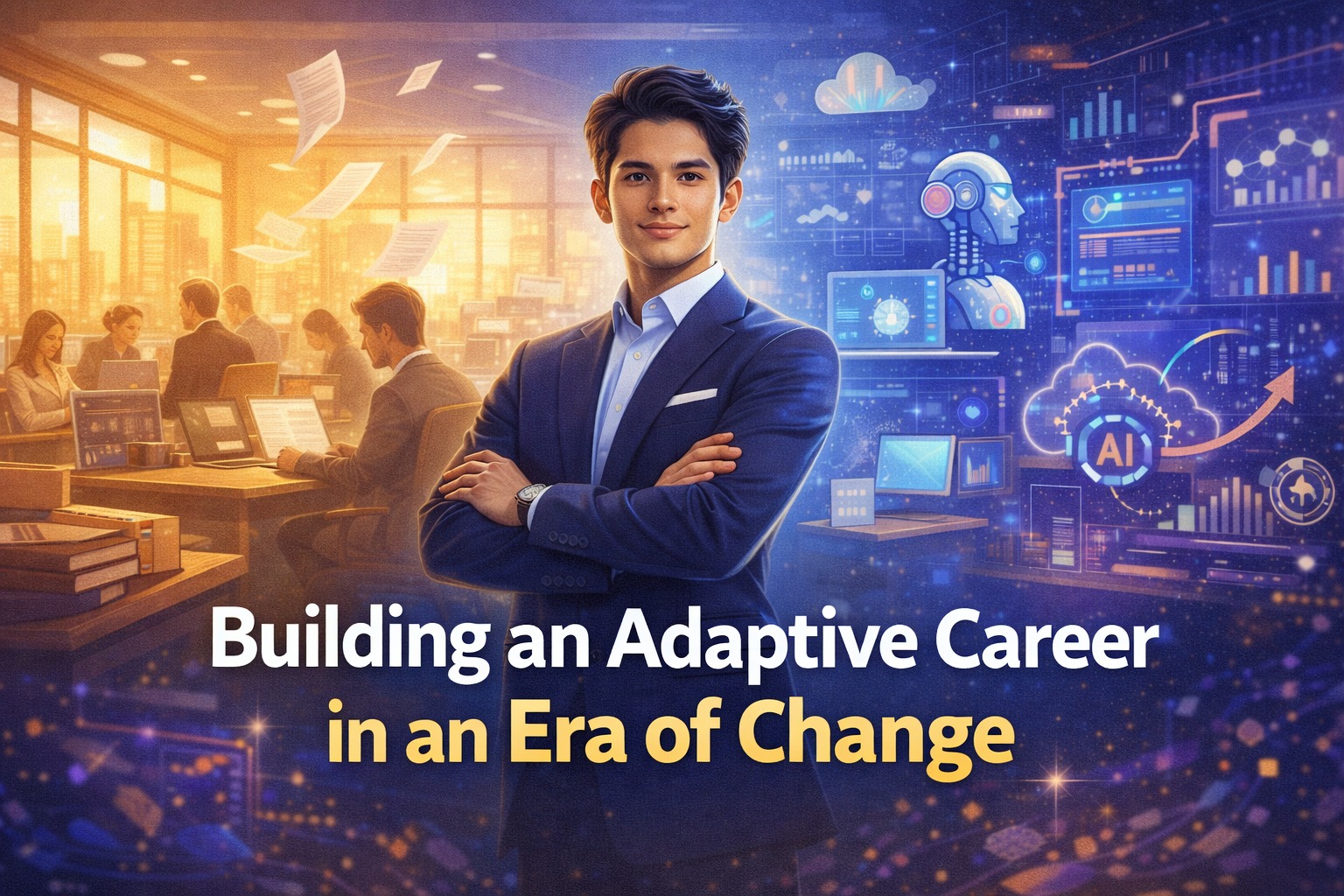
Changes in the world of work are occurring increasingly rapidly due to technological advancements, digitalization, and global dynamics. Professions that are relevant today may be replaced tomorrow. Therefore, building an adaptive career has become a key solution for individuals who want to survive and grow without being left behind by change. An adaptive career is not built instantly, but through concrete actions, careful preparation, and consistency in developing competencies. Individuals with strong careers generally do not rely on a single skill; instead, they demonstrate flexibility, a willingness to learn, and clear professional goals. By understanding the right steps, opportunities for success in the workforce will open wider.
WHAT IS MEANT BY AN ADAPTIVE CAREER
An adaptive career refers to an individual’s ability to adjust to changes in the work environment, industry demands, and technological developments without losing professional direction. Individuals with adaptive careers are able to learn new skills, transition between roles quickly, and view change as an opportunity rather than a threat.
An adaptive career is not measured solely by position or salary, but also by mental readiness, problem-solving ability, and a continuous desire for growth. In an era of constant change, companies increasingly value individuals with long-term potential, strong character, and resilience in facing challenges rather than relying only on technical expertise.
PRACTICAL STEPS TO BUILD AN ADAPTIVE CAREER IN AN ERA OF CHANGE
1. Consistently developing core competencies
Having strong primary skills forms the foundation of a career. However, these competencies must be continuously updated to remain relevant to industry needs.
2. Actively acquiring new and relevant skills
Participating in training programs, certifications, or online courses can help expand capabilities and enhance competitiveness in the job market.
3. Building a professional portfolio from an early stage
Work experience, projects, achievements, and outputs should be well documented as tangible evidence of competence.
4. Enhancing communication and collaboration skills
The ability to convey ideas, work effectively in teams, and adapt to diverse personalities is highly valued in today’s professional environment.
5. Preparing to face changes in roles and responsibilities
Adaptive individuals are not afraid of changing job descriptions or new work systems; instead, they see them as learning opportunities.
6. Building a strong professional network
Good relationships with colleagues, mentors, and professional communities can open broader career opportunities.
TIPS TO KEEP A CAREER RELEVANT AND GROWING
1. Continuously monitoring industry and workforce trends
Understanding industry directions helps individuals prepare before changes occur.
2. Aligning career plans with personal potential
An adaptive career is not about following every trend, but about choosing a path that matches one’s interests and abilities.
3. Managing time between work and self-development
Effective time management allows for skill enhancement without compromising primary performance.
4. Developing soft skills such as leadership and critical thinking
Soft skills are key differentiators in an increasingly competitive labor market.
5. Not being afraid of failure and being willing to evaluate oneself
Every failure serves as a learning experience to improve future career strategies.
WHY AN ADAPTIVE CAREER IS IMPORTANT FOR THE FUTURE
Building an adaptive career not only affects job stability but also mental resilience and professional satisfaction. Adaptive individuals are better prepared to face disruption, changes in work systems, and global challenges. This process shapes a strong, confident character that remains open to new opportunities. With an adaptive career, individuals are less likely to fall behind and are better equipped for long-term sustainability.
CONCLUSION
Building an adaptive career in an era of change begins with developing competencies, maintaining a readiness to learn, and being willing to adapt to the dynamics of the working world. With concrete steps, the right strategies, and continuous effort, a stable and growing career is achievable. Individuals who continue to learn and never stop developing themselves will have greater opportunities for success in the future.
Tentang Penulis
Gusti Ayu Tita
Penulis — Universitas STEKOM
Penulis aktif yang berfokus pada isu-isu akademik, teknologi pendidikan, dan pengembangan sumber daya manusia di lingkungan kampus.