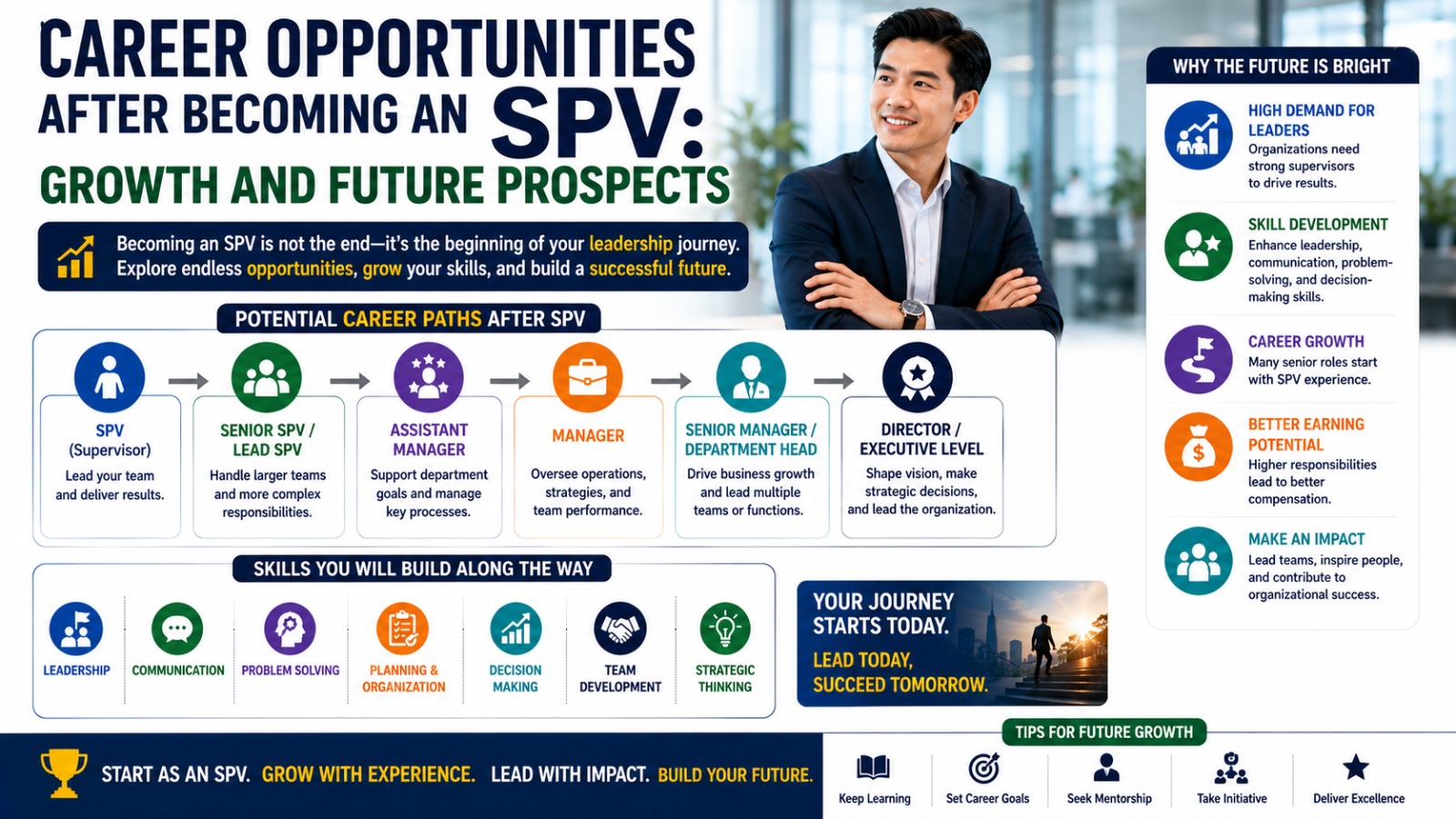
The transition from education to the professional world is often one of the most challenging phases for fresh graduates. Many graduates believe that having a degree and good grades is enough, yet they still struggle to survive or grow in their early careers. This situation is not necessarily due to a lack of intelligence, but rather a gap between academic life and professional demands. This article explores the main reasons why many graduates fail at the beginning of their careers and tips to be better prepared.
LACK OF MENTAL READINESS AND UNREALISTIC EXPECTATIONS
1. Many graduates expect the workplace to be similar to college, even though the pace and pressure are very different.
2. Being shocked by targets, responsibilities, and criticism causes some graduates to give up easily.
3. Not being ready to face small failures early in their careers can quickly lower confidence.
GAP BETWEEN THEORY AND PRACTICE
1. Education often emphasizes theory more than real-world practice.
2. Graduates may struggle to apply what they learned to daily work tasks.
3. Limited internship or project experience slows workplace adaptation.
LACK OF SOFT SKILLS NEEDED IN THE WORKPLACE
1. Weak communication skills can hinder teamwork.
2. Poor discipline, time management, and work ethic reduce performance.
3. Inability to accept feedback and work under pressure contributes to early failure.
CHOOSING THE WRONG FIRST JOB
1. Many graduates focus only on salary without considering skill development.
2. Jobs that do not match interests and abilities lead to burnout and low motivation.
3. Lack of research on company culture can result in poor workplace fit.
TIPS TO BE BETTER PREPARED FOR AN EARLY CAREER
1. Build a mindset ready to learn and start from the bottom.
2. Gain practical experience through internships, freelancing, or independent projects.
3. Improve soft skills such as communication, teamwork, and time management.
4. Set long-term career goals so the first job becomes a stepping stone, not a burden.
5. Do not fear failure, as early setbacks are part of the learning process.
CONCLUSION
Failing at the start of a career is common, but it is not the end. By understanding the causes of early career struggles and preparing in advance, graduates can face the professional world with greater maturity and confidence. The key lies in mental readiness, willingness to learn, and the ability to adapt to professional demands. An early career is not about instant success, but about building a strong foundation for the future.
Tentang Penulis
Gusti Ayu Tita
Penulis — Universitas STEKOM
Penulis aktif yang berfokus pada isu-isu akademik, teknologi pendidikan, dan pengembangan sumber daya manusia di lingkungan kampus.