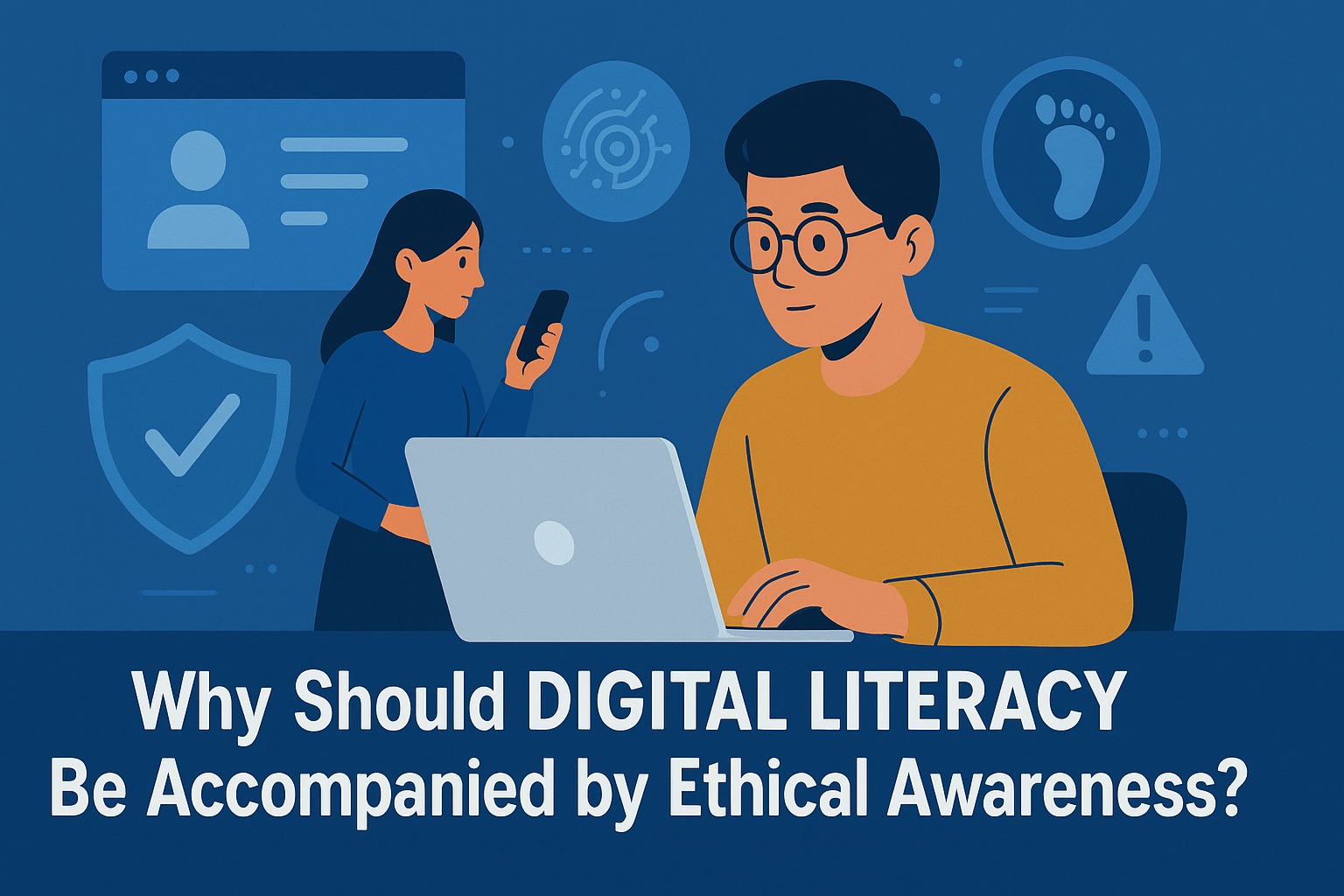
In today’s fast-paced digital era, digital literacy has become an essential skill that cannot be separated from daily life. The ability to access, understand, and use information technology wisely is crucial. However, along with the rapid development of digital technology, an equally important question arises: is digital literacy enough without ethical awareness in its use?
With the increasing amount of information circulating online and the growing number of digital platforms, it is important for us not only to be skilled in using them but also to understand the ethical implications of every action we take in the digital world. In this article, we will explore why digital literacy cannot be separated from ethical awareness and how the two work together to create a healthier and more responsible digital ecosystem.
WHAT IS DIGITAL LITERACY?
Digital literacy refers to the ability to access, evaluate, and communicate information using digital technology. This literacy includes various aspects, from the ability to operate digital devices (computers, smartphones) and manage online information, to understanding how to communicate effectively in the digital world.
In a world increasingly dependent on the internet and technology, digital literacy becomes a basic skill that every individual must possess. Without digital literacy, a person will struggle to keep up with modern developments, whether in work, education, or social interaction. However, as technology use increases, new challenges emerge—particularly those related to digital ethics.
WHAT IS ETHICAL AWARENESS IN THE DIGITAL WORLD?
Ethical awareness in the digital world refers to understanding and applying moral principles that govern how we interact with technology, information, and others online. This includes issues such as data privacy, information security, and respecting individual rights in the digital environment.
For instance, when using social media, we must be aware that every word or image we share can affect others, either positively or negatively. Ethical awareness also includes how we respond to issues like cyberbullying, the spread of fake news, and copyright violations.
Ignoring ethical aspects can lead to significant negative impacts, both for individuals directly involved and society at large.
WHY MUST DIGITAL LITERACY BE ACCOMPANIED BY ETHICAL AWARENESS?
Below are several reasons why digital literacy must go hand in hand with ethical awareness:
1. Preventing the Spread of Misinformation (Hoaxes)
With easy access to information, many people unknowingly help spread unverified news. Hoaxes often spread quickly, sometimes containing hate, lies, or incitement that can disturb social harmony.
Digital literacy teaches us how to find and understand information correctly. Ethical awareness reminds us to verify information before sharing it. Simple steps like checking the source or fact-checking can prevent the spread of harmful misinformation.
2. Respecting Privacy and Personal Data
In the digital era, much of our personal data is stored across various platforms—from social media accounts to banking apps. Without understanding digital ethics, we might overlook the importance of privacy. For example, we may share excessive personal information on insecure platforms or use apps that do not protect data well.
Ethical awareness teaches us to be more careful in sharing personal information and to protect our data from misuse. Digital literacy provides the tools to safeguard data, while ethical awareness highlights our responsibility toward others’ data as well.
3. Preventing Misuse of Technology
Digital technology makes many tasks easier but also opens doors to misuse. One common example is cyberbullying, where individuals or groups use the internet to harass, insult, or humiliate others. Without ethical awareness, people may engage in harmful behavior without realizing the consequences.
Ethical awareness encourages us to treat others with respect and maintain proper behavior in both the physical and digital worlds.
4. Maintaining Social Responsibility Online
As social media’s influence grows, many people feel free to express anything without considering its consequences. Yet every action in the digital world carries real social impact. Using social media wisely and avoiding hate speech are part of the ethical awareness needed in the digital space.
Digital literacy teaches us how to use technology, while ethical awareness guides us to use it responsibly and with moral consideration.
5. Supporting the Use of Technology for Positive Purposes
Technology can be a force for great good—from advancing education and accelerating medical research to improving quality of life. Yet without ethical awareness, technology can also be used for harmful purposes such as online scams, exploitation, or spreading hate.
Ethical awareness helps us encourage technology use for positive, beneficial, and sustainable outcomes.
6. Preparing for an Ethical Digital Future
As we become increasingly connected, digital literacy education must emphasize ethical awareness so we can navigate the future wisely. With a strong understanding of both digital literacy and digital ethics, we can not only use technology more effectively but also contribute to creating a safer and more responsible online environment.
CONCLUSION
Digital literacy and ethical awareness are two inseparable elements. Digital literacy equips individuals with the ability to use technology effectively, while ethical awareness ensures that technology is used responsibly. In a world that is becoming more digitally interconnected, we all share the responsibility to ensure technology remains a tool for positive, beneficial, and non-harmful purposes.
By prioritizing ethics in every use of technology, we can create a digital environment that is safe, healthy, and respectful—allowing every individual to grow wisely in the digital age.
Tentang Penulis
Gusti Ayu Tita
Penulis — Universitas STEKOM
Penulis aktif yang berfokus pada isu-isu akademik, teknologi pendidikan, dan pengembangan sumber daya manusia di lingkungan kampus.