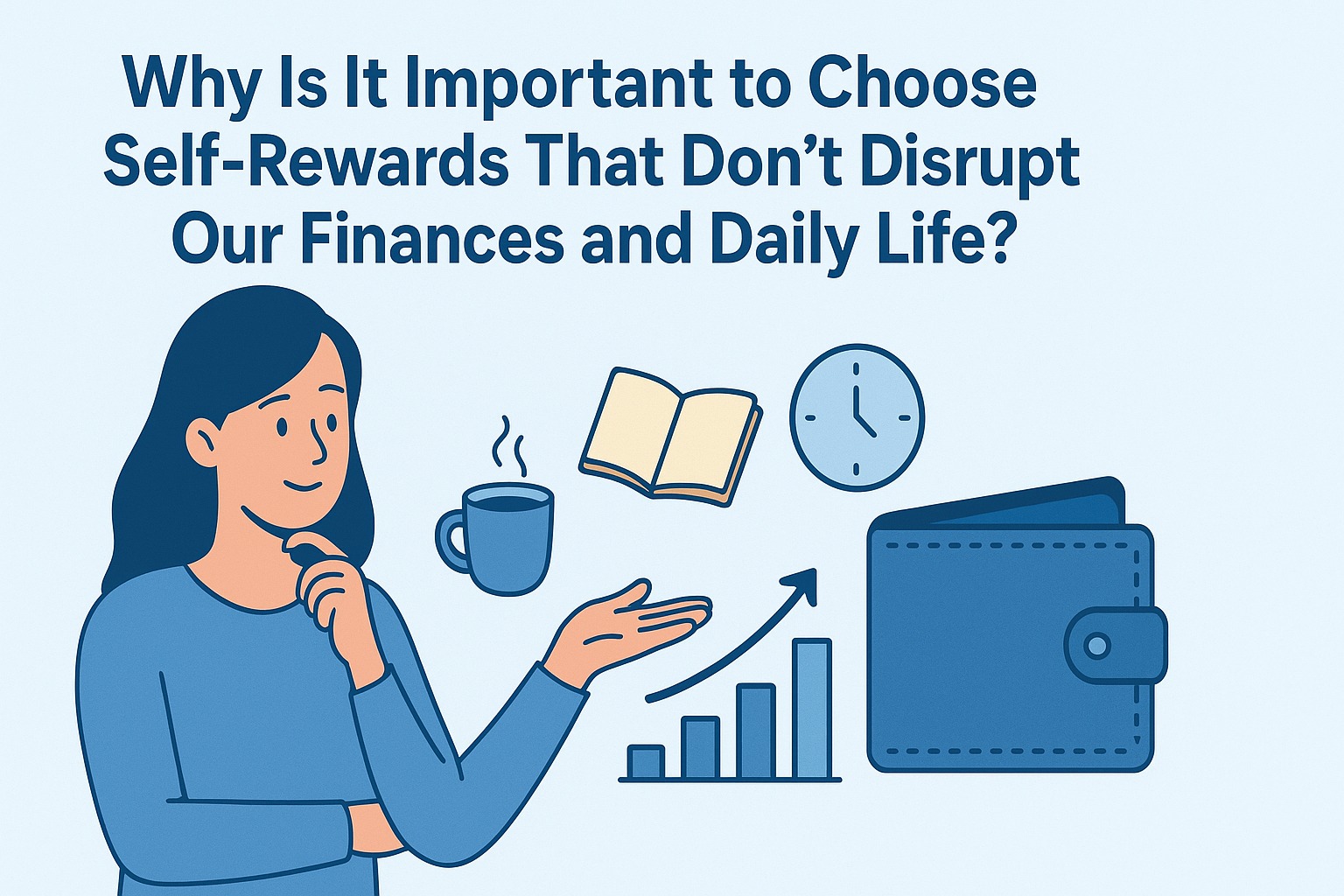
Self-reward is a simple way to celebrate achievements and appreciate yourself. However, behind its benefits, we still need to be careful in choosing the right type of reward. Uncontrolled self-reward can affect financial conditions and daily stability. Therefore, understanding the importance of selecting the right reward is a big step in maintaining life balance.
SELF-REWARD IS NOT AN EXCUSE FOR OVERSPENDING
Many people use self-reward as a reason to buy expensive items or fulfill impulsive desires. But when done excessively, this habit can bloat expenses. Self-reward should be done consciously, not as an escape from stress or temporary emotions.
Good financial management must remain the foundation, so self-reward doesn’t interfere with essentials such as savings, daily needs, or emergency funds.
THE IMPACT OF EXCESSIVE SELF-REWARD ON DAILY LIFE
When self-reward is done without limits, the effects reach beyond finances and into daily routines. Buying something every time you feel tired can make self-control harder. It can also disrupt daily activities, shifting focus toward consumption rather than responsibilities.
Self-reward should be given at the right time while ensuring daily routines remain uninterrupted by impulsive habits.
THE IMPORTANCE OF CHOOSING AFFORDABLE REWARDS
Choosing rewards that match your financial ability doesn’t reduce happiness. Instead, it encourages a healthier sense of gratitude and self-appreciation. Affordable rewards like resting, enjoying simple hobbies, or experiencing a new atmosphere can be just as meaningful as expensive ones.
This allows you to feel satisfied without guilt or worry afterward.
TURNING SELF-REWARD INTO A HABIT-BUILDING TOOL
The right type of self-reward boosts motivation and helps shape positive behavior. For example, giving yourself a small reward after achieving a target. But the reward should be proportional and not distract from the main goal.
When self-reward is used to increase productivity and balance, its impact becomes greater and long-lasting.
SELF-AWARENESS AS THE KEY TO CONTROL
Understanding your financial condition and personal habits is the main step before deciding on a reward. With self-awareness, you can set limits, adjust needs, and ensure that every reward you give provides real benefits instead of creating new problems.
CONCLUSION
Good self-reward doesn’t have to be expensive—it simply needs to align with financial ability and daily routines. By choosing the right form of self-appreciation, you can maintain mental well-being while preserving financial and daily stability. Wise self-reward is a small investment that brings long-term positive impact.
Tentang Penulis
Gusti Ayu Tita
Penulis — Universitas STEKOM
Penulis aktif yang berfokus pada isu-isu akademik, teknologi pendidikan, dan pengembangan sumber daya manusia di lingkungan kampus.