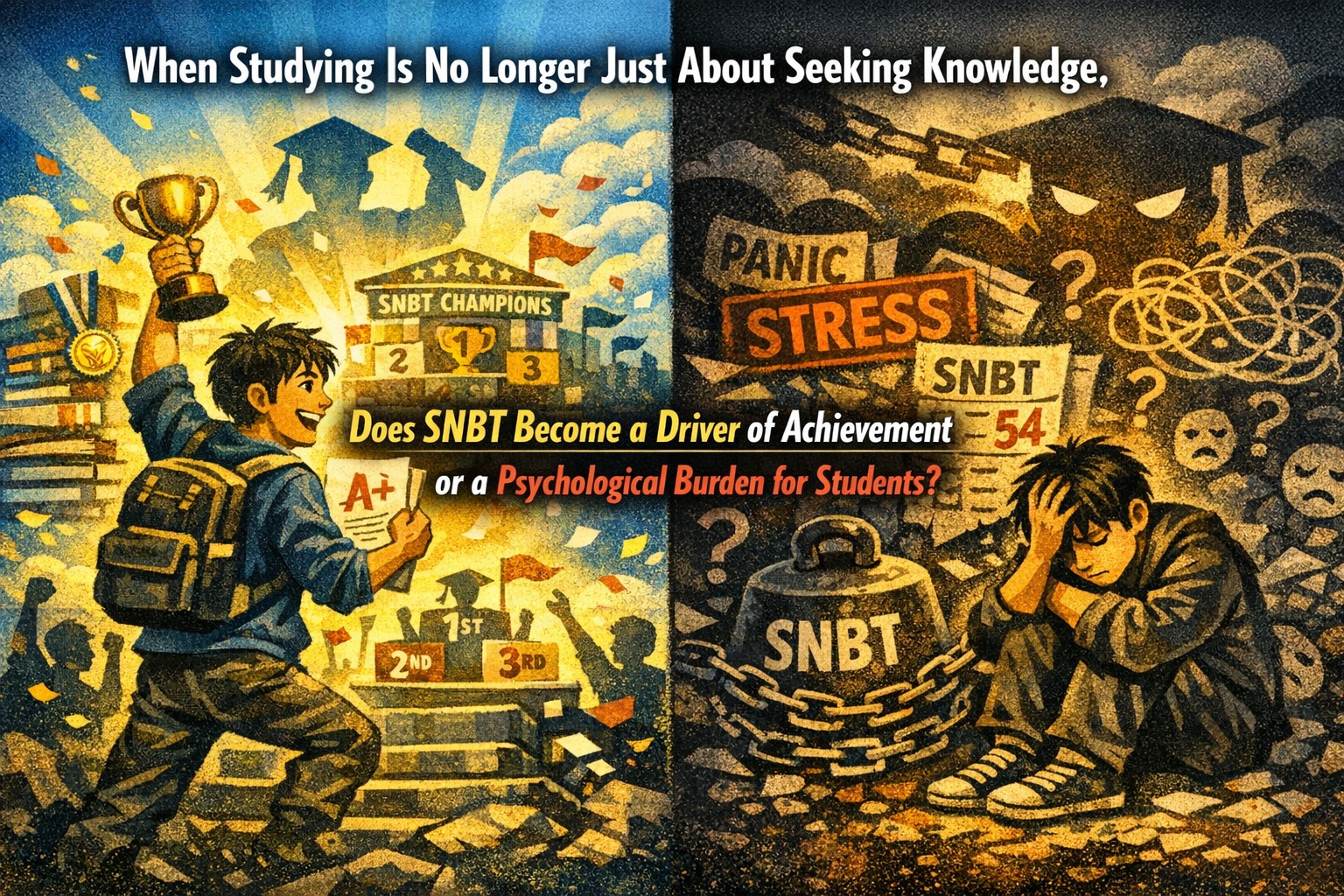
The rising cost of education has become a major challenge for many students. However, opportunities to obtain free education are actually widely available through various scholarship programs. One of the main factors that scholarship providers consistently consider is academic and non-academic achievements. Both are regarded as important indicators for assessing students’ quality, potential, and commitment to their education. Therefore, understanding the role of these achievements is the first step toward accessing free education.
WHAT ARE ACADEMIC AND NON-ACADEMIC ACHIEVEMENTS?
Academic achievement refers to students’ accomplishments in academic fields, usually reflected through GPA, course grades, and learning consistency. Meanwhile, non-academic achievements include accomplishments outside the classroom, such as competitions, organizational involvement, leadership roles, social activities, and self-development projects. These two types of achievements complement each other and provide a comprehensive picture of a student’s abilities and character.
WHY ACADEMIC AND NON-ACADEMIC ACHIEVEMENTS ARE THE KEY TO FREE EDUCATION
1. Demonstrating students’ abilities and potential
Achievements reflect intellectual capacity, skills, and future growth potential.
2. Serving as the main basis for scholarship selection
Almost all scholarship programs use achievements as the primary selection indicator.
3. Reflecting consistency and commitment to learning
Sustained achievements indicate students’ seriousness in pursuing their education.
4. Increasing the trust of scholarship providers
High-achieving students are considered capable of making optimal use of educational support.
5. Strengthening competitiveness among applicants
A combination of academic and non-academic achievements makes a student’s profile more outstanding.
THE ROLE OF NON-ACADEMIC ACHIEVEMENTS IN OBTAINING SCHOLARSHIPS
1. Demonstrating leadership and teamwork skills
Organizational and committee activities are valuable added points.
2. Reflecting social awareness and real contributions
Many scholarships seek students who can make a positive impact on society.
3. Proving time management and responsibility skills
Balancing academics and other activities shows maturity in setting priorities.
4. Adding uniqueness to a student’s portfolio
Non-academic achievements help applicants stand out.
TIPS FOR MAXIMIZING ACHIEVEMENTS TO OBTAIN FREE EDUCATION
1. Maintaining a balance between academics and other activities
Academic achievement remains the main foundation that must be preserved.
2. Choosing relevant and impactful non-academic activities
Focus on activities that truly add value.
3. Documenting all achievements systematically
Certificates, awards, and experiences should be well prepared for scholarship applications.
4. Developing soft skills early
Communication, leadership, and problem-solving skills are highly needed.
5. Actively seeking suitable scholarship opportunities
Strong achievements should be accompanied by a strategic selection of scholarships.
CONCLUSION
Academic and non-academic achievements are the main keys to accessing free education and scholarships. Both provide a comprehensive overview of students’ abilities, character, and potential. By building achievements consistently and in balance, students not only increase their chances of obtaining scholarships but also prepare themselves for a brighter future. Free education is not impossible; it is a real opportunity for students who are willing to strive and excel.
Tentang Penulis
Gusti Ayu Tita
Penulis — Universitas STEKOM
Penulis aktif yang berfokus pada isu-isu akademik, teknologi pendidikan, dan pengembangan sumber daya manusia di lingkungan kampus.