
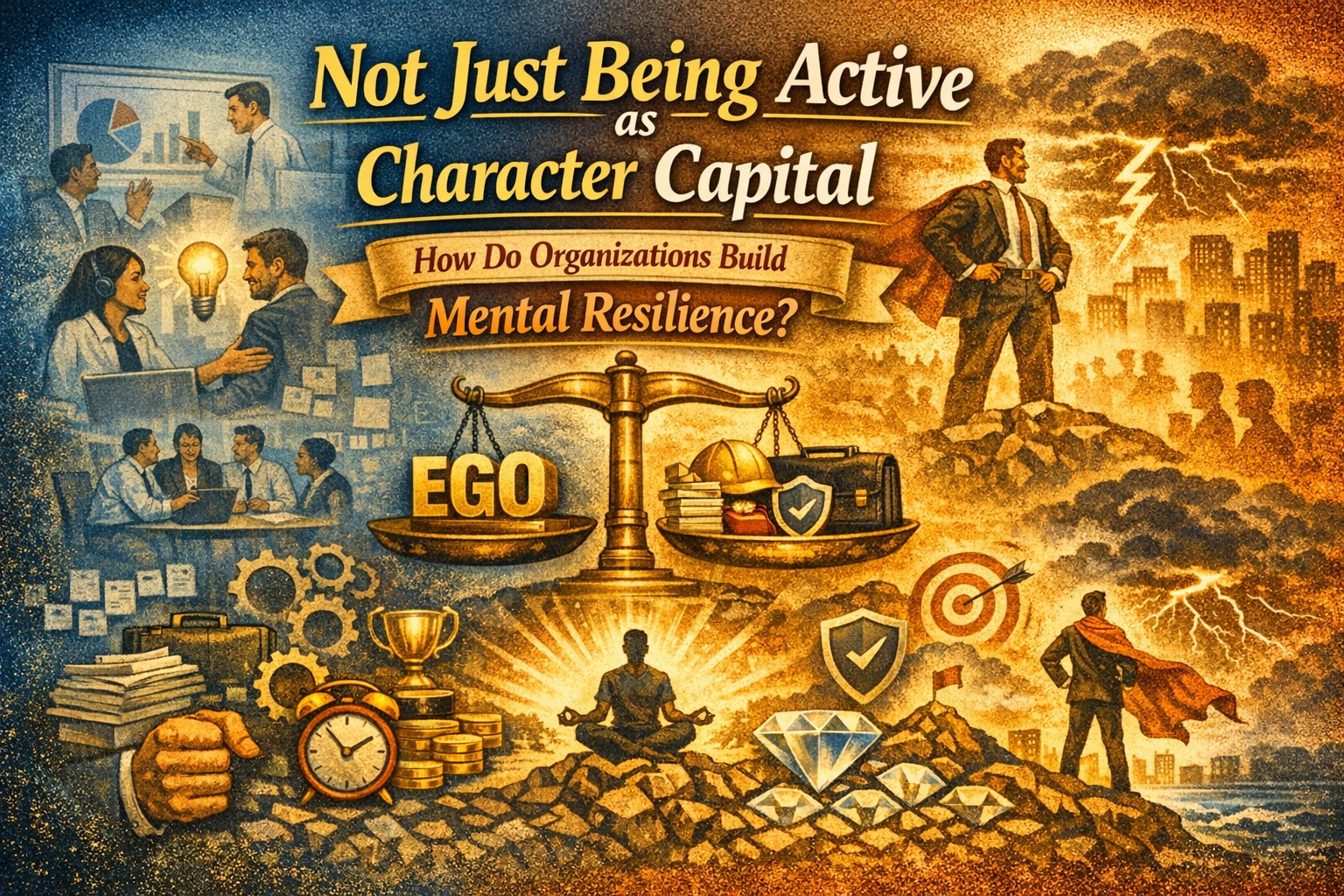
Being active in an organization is often associated with busy schedules, meetings, and visible participation. However, true organizational involvement goes far beyond attendance and activity levels. Behind the scenes, organizations play a powerful role in shaping mental resilience, helping individuals develop strength, stability, and endurance in the face of pressure.
This article explores how organizations build mental resilience, not through instant motivation, but through consistent real-life experiences.
MENTAL RESILIENCE BEYOND PARTICIPATION
Mental resilience is not formed simply by being present. It develops through how individuals respond to challenges, stress, and uncertainty. Organizations expose members to real responsibilities that demand emotional control and persistence.
Through this process, individuals learn that resilience is not about avoiding difficulties, but about facing them with a stable mindset.
EXPOSURE TO PRESSURE AND DEADLINES
Organizational life often involves deadlines, expectations, and performance targets. These pressures train individuals to manage stress and prioritize tasks effectively.
Repeated exposure to manageable pressure helps individuals build tolerance and confidence. Over time, they become more comfortable handling demanding situations without feeling overwhelmed.
FAILURE AS PART OF THE LEARNING PROCESS
Failure is unavoidable in organizations. Plans may fail, events may not meet expectations, and feedback may feel uncomfortable. Instead of viewing failure as an endpoint, organizations treat it as a learning opportunity.
By experiencing failure and recovery, individuals strengthen their ability to cope with disappointment. This process builds emotional endurance and encourages a growth-oriented mindset.
EMOTIONAL REGULATION THROUGH TEAM DYNAMICS
Working with diverse personalities challenges emotional stability. Differences in opinions, communication styles, and working habits require patience and self-awareness.
Organizations provide daily opportunities to practice emotional regulation. Learning to respond calmly during disagreement strengthens mental balance and emotional maturity.
RESPONSIBILITY THAT BUILDS INNER STRENGTH
Carrying responsibility for tasks or teams builds a strong sense of accountability. Knowing that others depend on one’s actions encourages discipline and focus.
This responsibility shapes inner strength by reinforcing commitment and perseverance, even when motivation decreases or obstacles appear.
CONSISTENCY AND LONG-TERM MENTAL GROWTH
Mental resilience grows through consistency rather than intensity. Staying involved over time teaches individuals to remain committed despite challenges or fatigue.
Organizations train individuals to show up, adapt, and continue progressing. This long-term process forms mental endurance that extends beyond organizational roles.
CONCLUSION
Organizations build mental resilience not by demanding constant activity, but by providing real challenges, responsibilities, and opportunities for reflection. Through pressure, failure, teamwork, and consistency, individuals develop emotional stability and inner strength.
In the end, organizational experience shapes a resilient mindset that supports personal growth, leadership, and long-term well-being.
Tentang Penulis
Gusti Ayu Tita
Penulis — Universitas STEKOM
Penulis aktif yang berfokus pada isu-isu akademik, teknologi pendidikan, dan pengembangan sumber daya manusia di lingkungan kampus.



