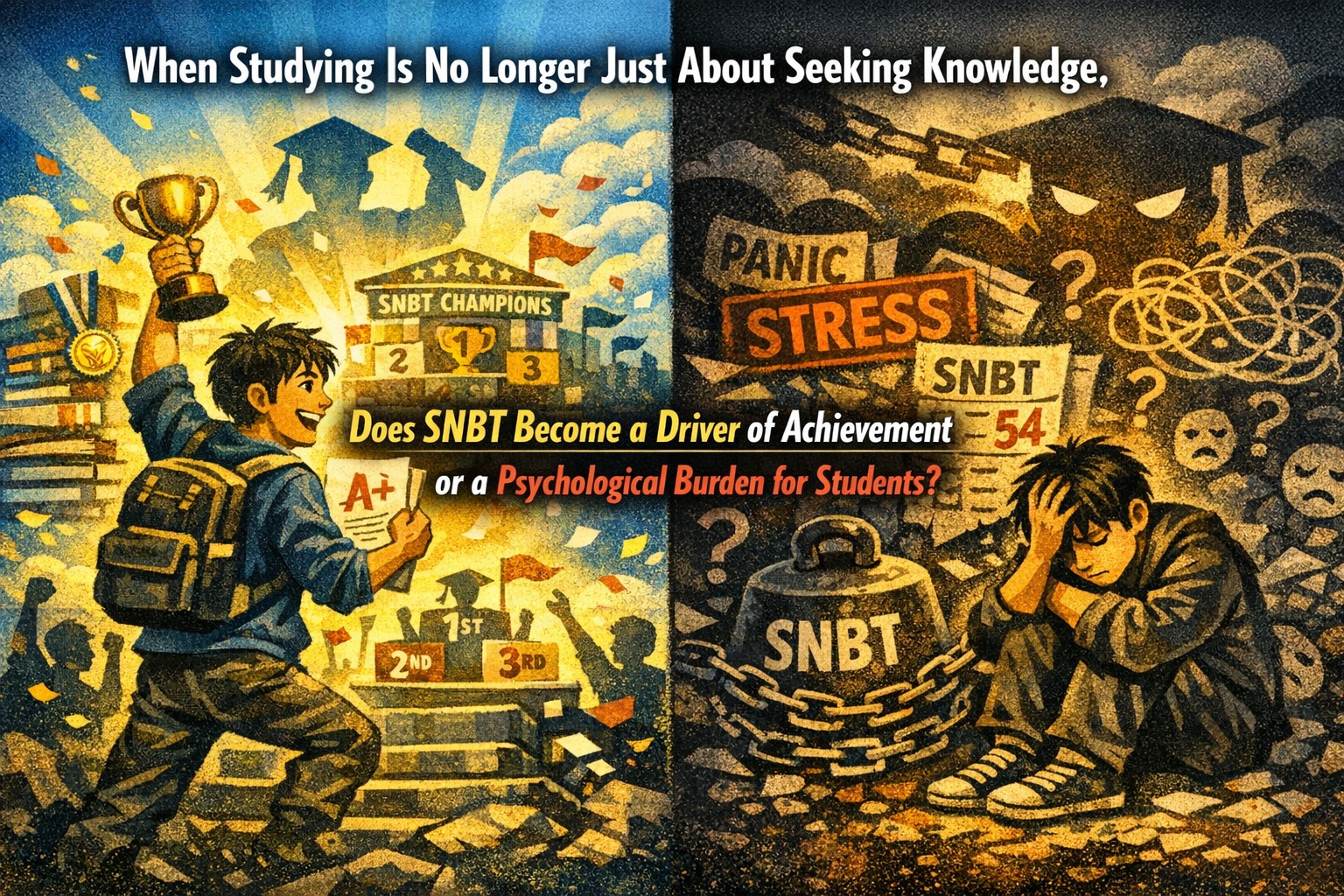
College life is often associated with growth, independence, and new opportunities. However, it also comes with a significant challenge: assignment pressure. Deadlines, complex tasks, and high expectations can quickly become overwhelming if not managed properly. Without the right approach, students may experience stress, reduced productivity, and even burnout. Fortunately, there are practical strategies that can help students handle academic pressure more effectively.
UNDERSTANDING ASSIGNMENT PRESSURE
Assignment pressure occurs when students feel overwhelmed by the volume or difficulty of their academic tasks. This pressure can stem from tight deadlines, multiple subjects, or the desire to achieve high grades. When left unchecked, it may lead to anxiety, procrastination, and a decline in academic performance. Recognizing the signs early is the first step toward managing it.
PRIORITIZING TASKS EFFECTIVELY
Not all assignments carry the same level of importance or urgency. Students should learn to prioritize tasks based on deadlines and complexity. Creating a clear to-do list or schedule helps break down large workloads into manageable parts. By focusing on one task at a time, students can avoid feeling overwhelmed and maintain steady progress.
MASTERING TIME MANAGEMENT
Time management plays a crucial role in reducing assignment pressure. Allocating specific time slots for studying, completing tasks, and resting can create a balanced routine. Avoiding last-minute work is essential, as rushing often leads to unnecessary stress and lower-quality results. Consistency in managing time helps build discipline and confidence.
USING SMART STUDY TECHNIQUES
Adopting effective study methods can significantly reduce academic strain. Techniques such as active recall, summarizing key points, and setting short study sessions can improve understanding and retention. Instead of spending long hours studying inefficiently, students should focus on quality over quantity.
TAKING BREAKS AND AVOIDING OVERWORK
Continuous studying without rest can lead to mental fatigue. Taking short breaks between study sessions helps refresh the mind and maintain concentration. Activities like stretching, listening to music, or stepping outside for fresh air can make a noticeable difference. Rest is not a waste of time but an essential part of productivity.
SEEKING SUPPORT WHEN NEEDED
Students should not hesitate to ask for help when facing difficulties. Discussing assignments with classmates, consulting lecturers, or joining study groups can provide new insights and reduce confusion. Support from others can also ease the emotional burden of academic pressure.
BUILDING A POSITIVE MINDSET
A positive mindset is key to handling challenges effectively. Instead of viewing assignments as obstacles, students can see them as opportunities to learn and grow. Staying optimistic and focusing on progress rather than perfection can reduce stress and improve overall performance.
CONCLUSION
Assignment pressure is a common part of college life, but it does not have to be overwhelming. By prioritizing tasks, managing time wisely, and adopting effective study habits, students can handle academic challenges with greater ease. Combined with proper rest and a positive mindset, these strategies empower students to stay productive while maintaining their well-being.
Tentang Penulis
Gusti Ayu Tita
Penulis — Universitas STEKOM
Penulis aktif yang berfokus pada isu-isu akademik, teknologi pendidikan, dan pengembangan sumber daya manusia di lingkungan kampus.