Why Do We Often Make Wrong Decisions When Panicking? Here’s the Science Behind It
How the Brain Evaluates Threats
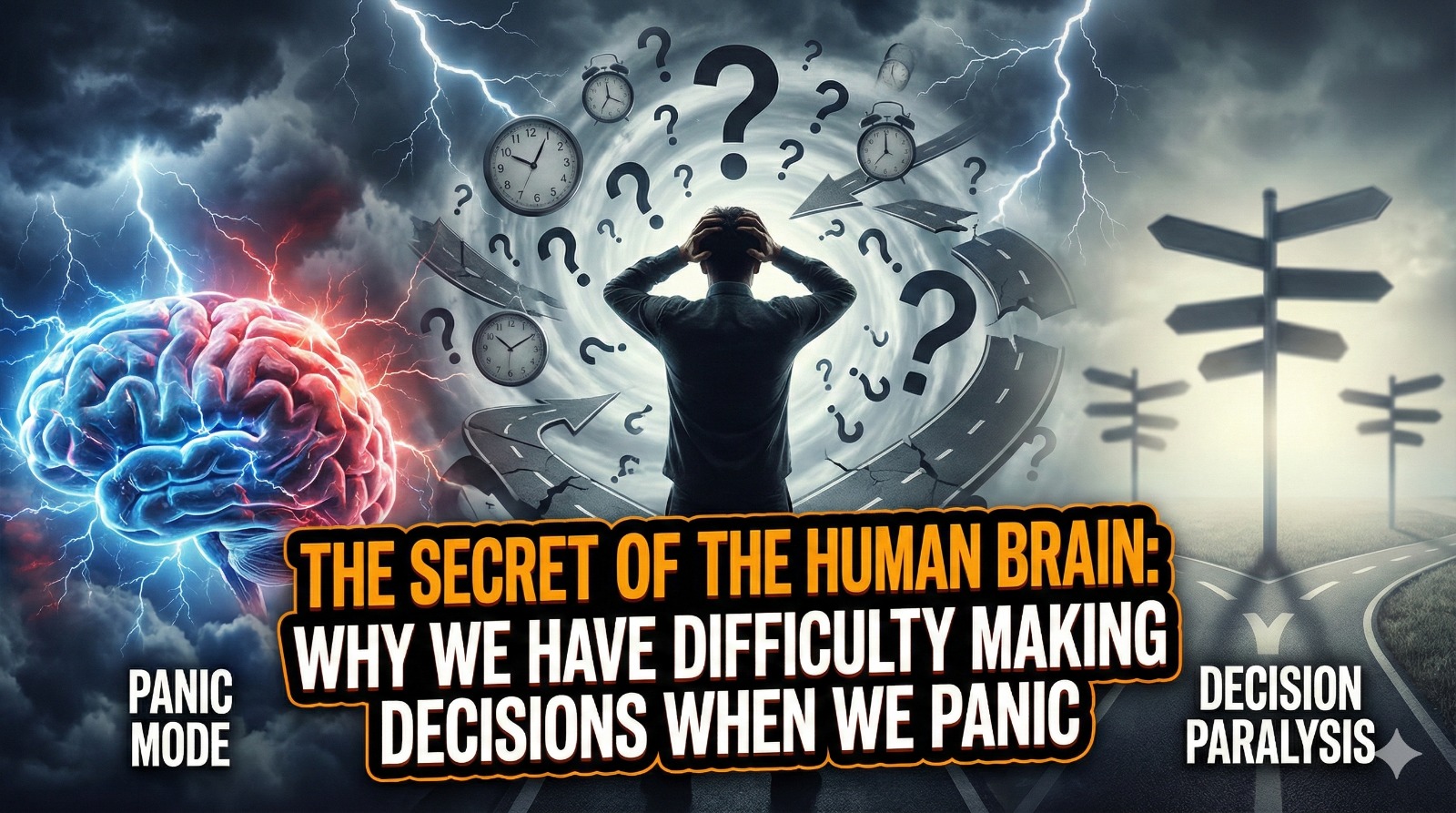
When the body senses danger, the brain switches into emergency mode. The amygdala — the emotional control center — becomes active first. Its job is to ensure we respond quickly to threatening situations. However, because its priority is survival rather than logic, the amygdala often weakens our ability to think clearly during the first moments of panic.
When the Prefrontal Cortex Goes "Offline"
The prefrontal cortex is the part of the brain responsible for planning, decision-making, and reasoning. Unfortunately, during panic, blood flow is redirected to areas that handle survival. As a result, rational thinking temporarily shuts down, causing decisions to become impulsive, rushed, or illogical.
Hormones That Blur Our Judgment
When panic strikes, hormones like adrenaline and cortisol surge dramatically. They increase heart rate, shorten breathing, and tighten muscles. The side effect: our ability to evaluate options logically decreases. The brain prioritizes the fastest way to survive — not necessarily the best solution.
Why Even Skilled People Can Make Mistakes When Panicking
Even those trained to handle pressure — such as medical workers, firefighters, or athletes — can still make errors when panicking. The key difference lies in repetition and training. People who frequently practice extreme conditions develop *procedural memory*, which helps them maintain control even when their emotional brain is in charge.
When Can Panic Be Controlled?
Panic can be managed through mental training, breathing techniques, or gradual exposure to stressful situations. The more familiar someone is with pressure, the less likely their emotional brain will completely take over. In other words, staying calm during panic is not a talent — it's a skill that can be learned and strengthened over time.
Tentang Penulis
Gusti Ayu Tita
Penulis — Universitas STEKOM
Penulis aktif yang berfokus pada isu-isu akademik, teknologi pendidikan, dan pengembangan sumber daya manusia di lingkungan kampus.