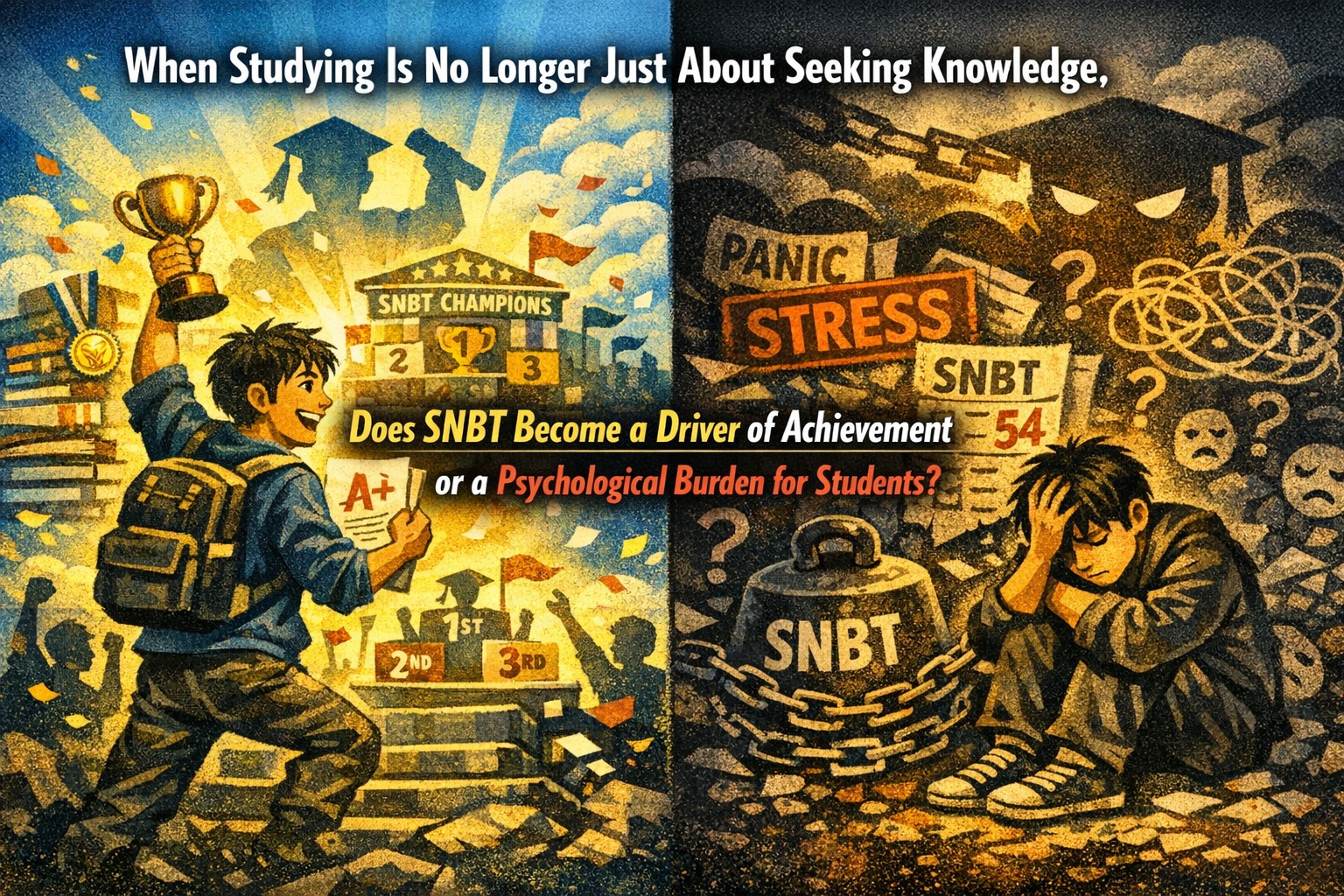
Academic life can be exciting, but it often comes with pressure that can feel overwhelming. Tight deadlines, demanding coursework, and high expectations can easily lead to stress. If not managed properly, this stress may affect both academic performance and overall well-being. Fortunately, there are simple and practical ways students can stay balanced and maintain a healthy mindset.
UNDERSTANDING ACADEMIC STRESS
Academic stress is a common experience among students at all levels. It usually arises from heavy workloads, exams, and the pressure to succeed. While a small amount of stress can motivate students to perform better, excessive stress can lead to fatigue, anxiety, and decreased productivity. Recognizing the signs early is the first step toward managing it effectively.
CREATE A REALISTIC STUDY SCHEDULE
One of the most effective ways to reduce stress is by organizing your time. Create a study schedule that fits your daily routine and allows enough time for rest. Break large tasks into smaller, manageable parts to avoid feeling overwhelmed. A well-structured plan helps you stay focused and in control of your workload.
TAKE REGULAR BREAKS
Studying for long hours without rest can quickly lead to burnout. Taking short breaks between study sessions can improve concentration and refresh your mind. Techniques like the Pomodoro method, where you study for a set period followed by a short break, can be very helpful in maintaining productivity.
PRACTICE SELF CARE
Self care is essential for both mental and physical health. Make time for activities you enjoy, such as exercising, listening to music, or spending time with friends. Getting enough sleep and maintaining a healthy diet also play a crucial role in managing stress levels.
DEVELOP A POSITIVE MINDSET
Your mindset greatly influences how you handle academic challenges. Instead of focusing on fear of failure, try to see challenges as opportunities to learn and grow. Avoid comparing yourself to others and focus on your personal progress. A positive attitude can make stressful situations feel more manageable.
SEEK SUPPORT WHEN NEEDED
You do not have to handle everything alone. Talking to friends, family, or lecturers can provide emotional support and helpful advice. Sharing your concerns can reduce stress and give you a fresh perspective on your problems.
LIMIT DISTRACTIONS
In today’s digital world, distractions are everywhere. Social media and unnecessary screen time can reduce your productivity and increase stress. Try to create a study environment that is free from distractions so you can focus better on your tasks.
CONCLUSION
Managing academic stress does not require complicated methods. Simple habits like organizing your time, taking breaks, and maintaining a positive mindset can make a big difference. By applying these strategies consistently, students can stay productive, reduce stress, and enjoy a more balanced academic life.
Tentang Penulis
Gusti Ayu Tita
Penulis — Universitas STEKOM
Penulis aktif yang berfokus pada isu-isu akademik, teknologi pendidikan, dan pengembangan sumber daya manusia di lingkungan kampus.