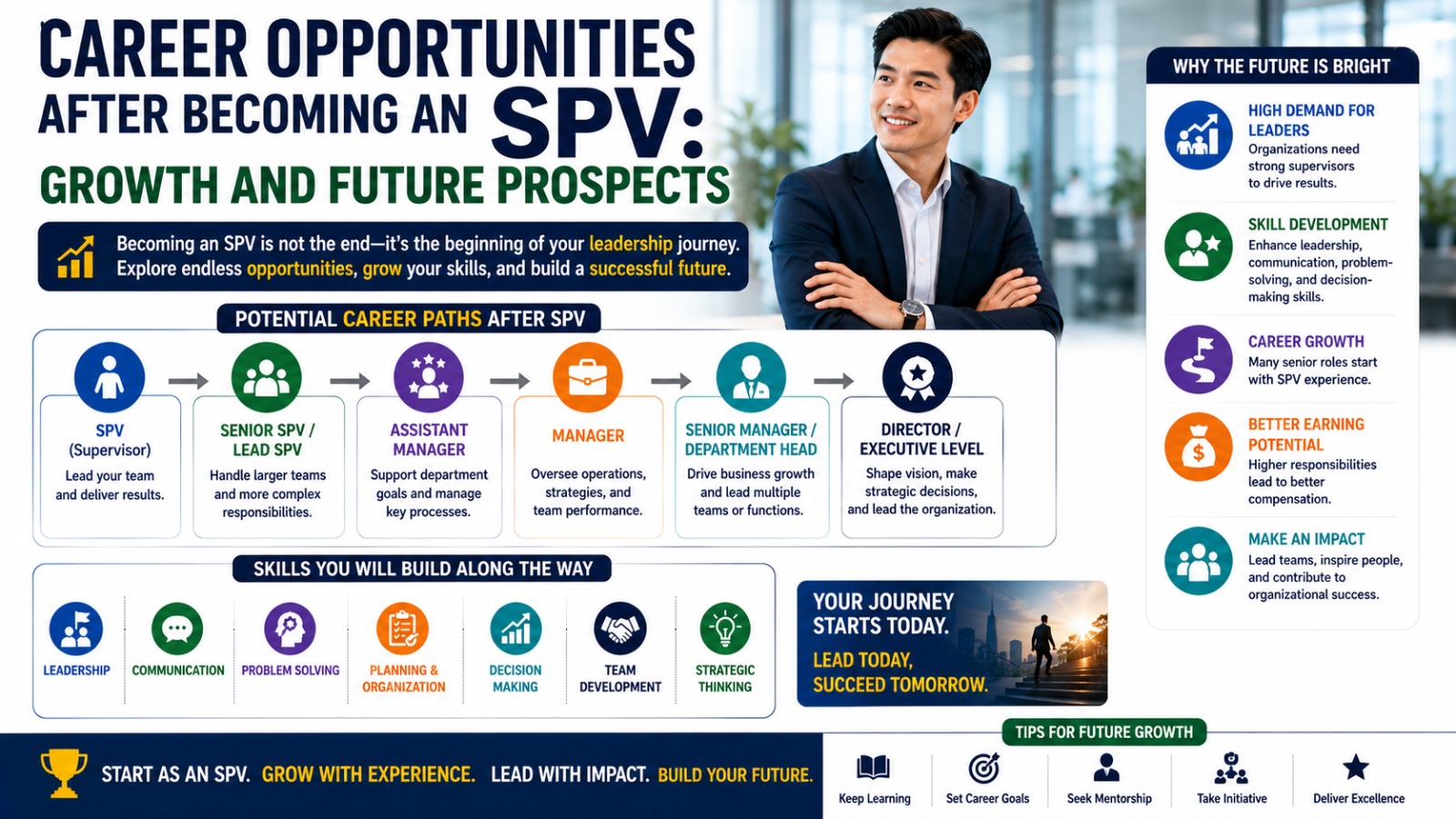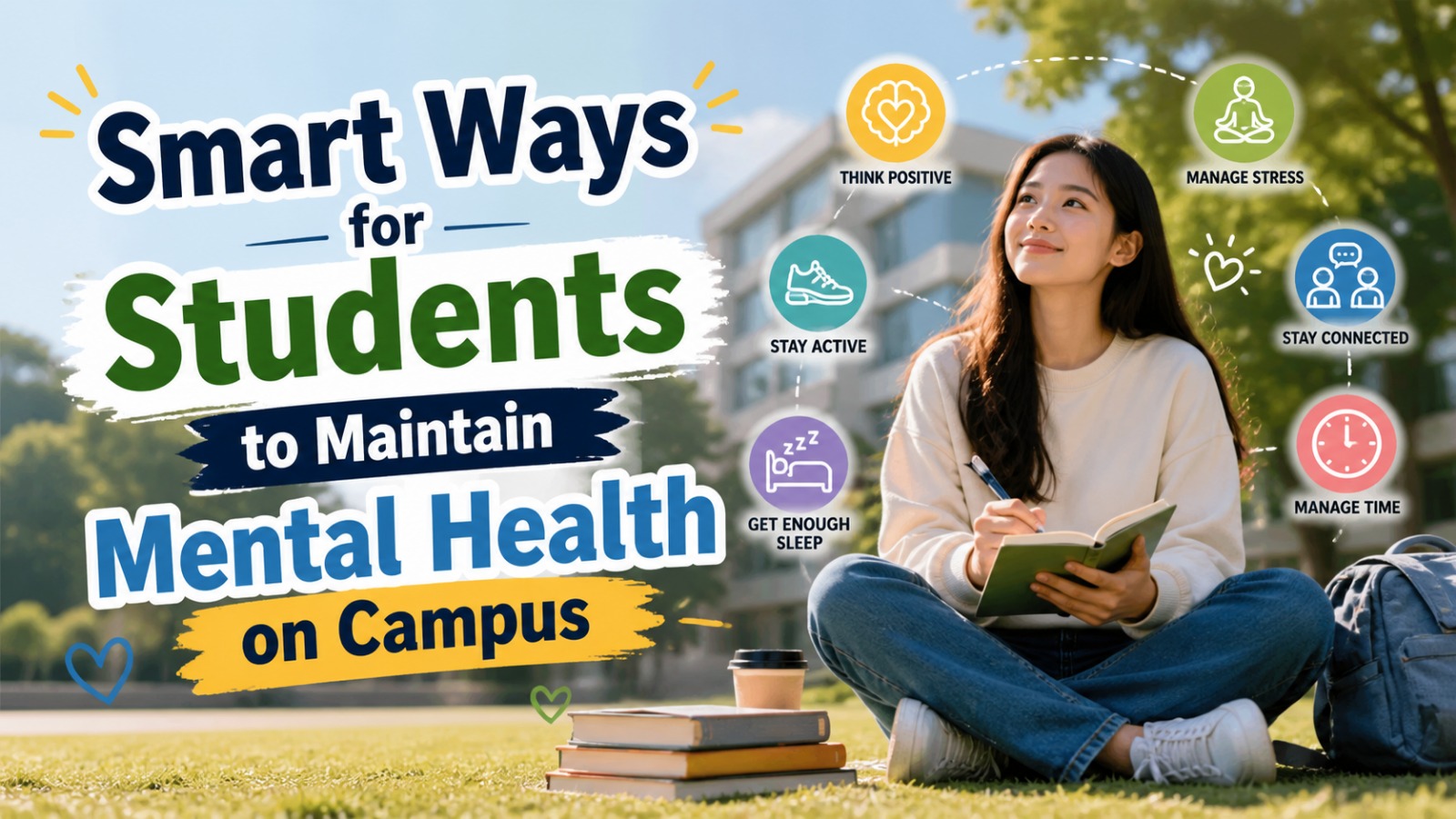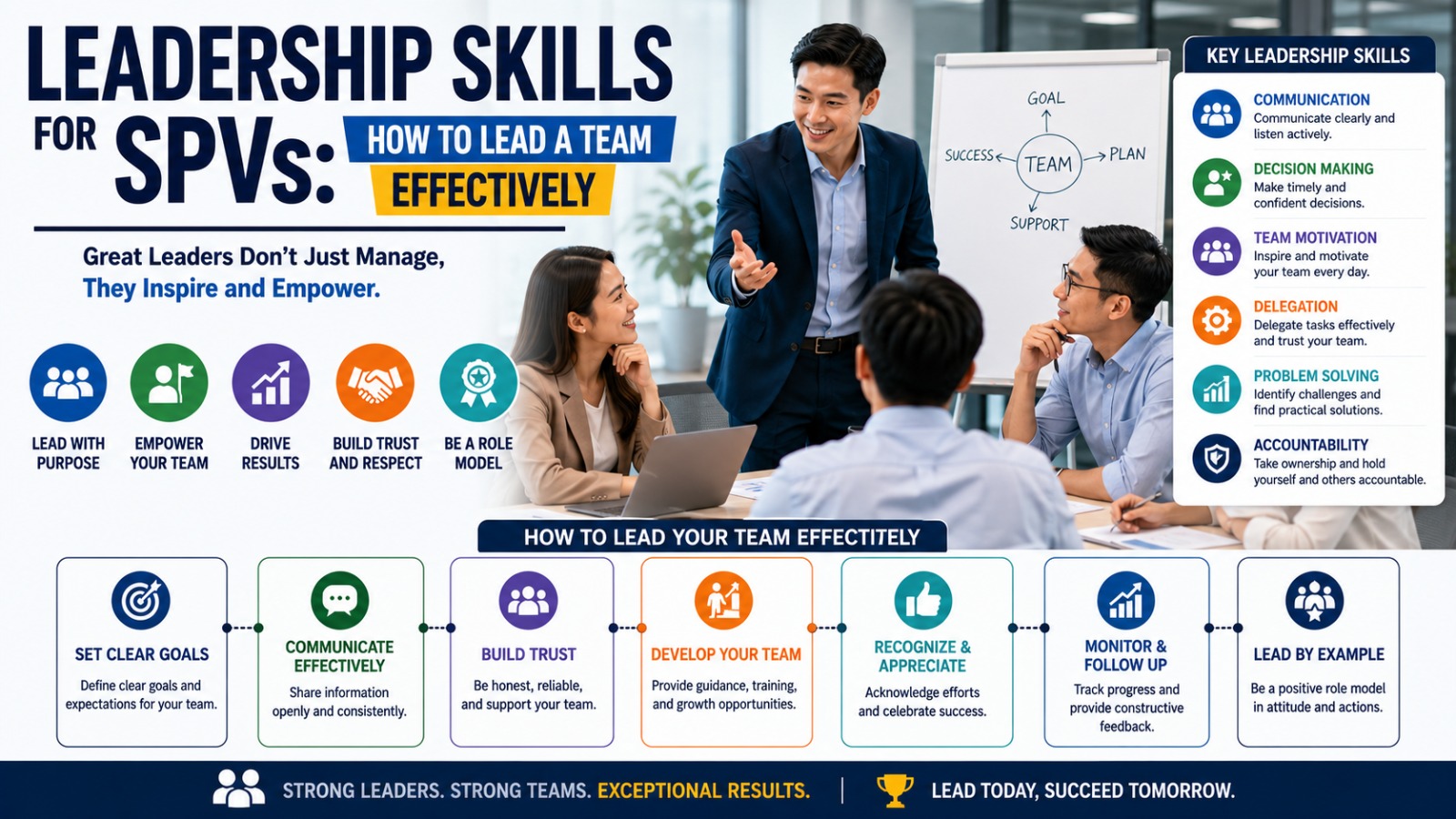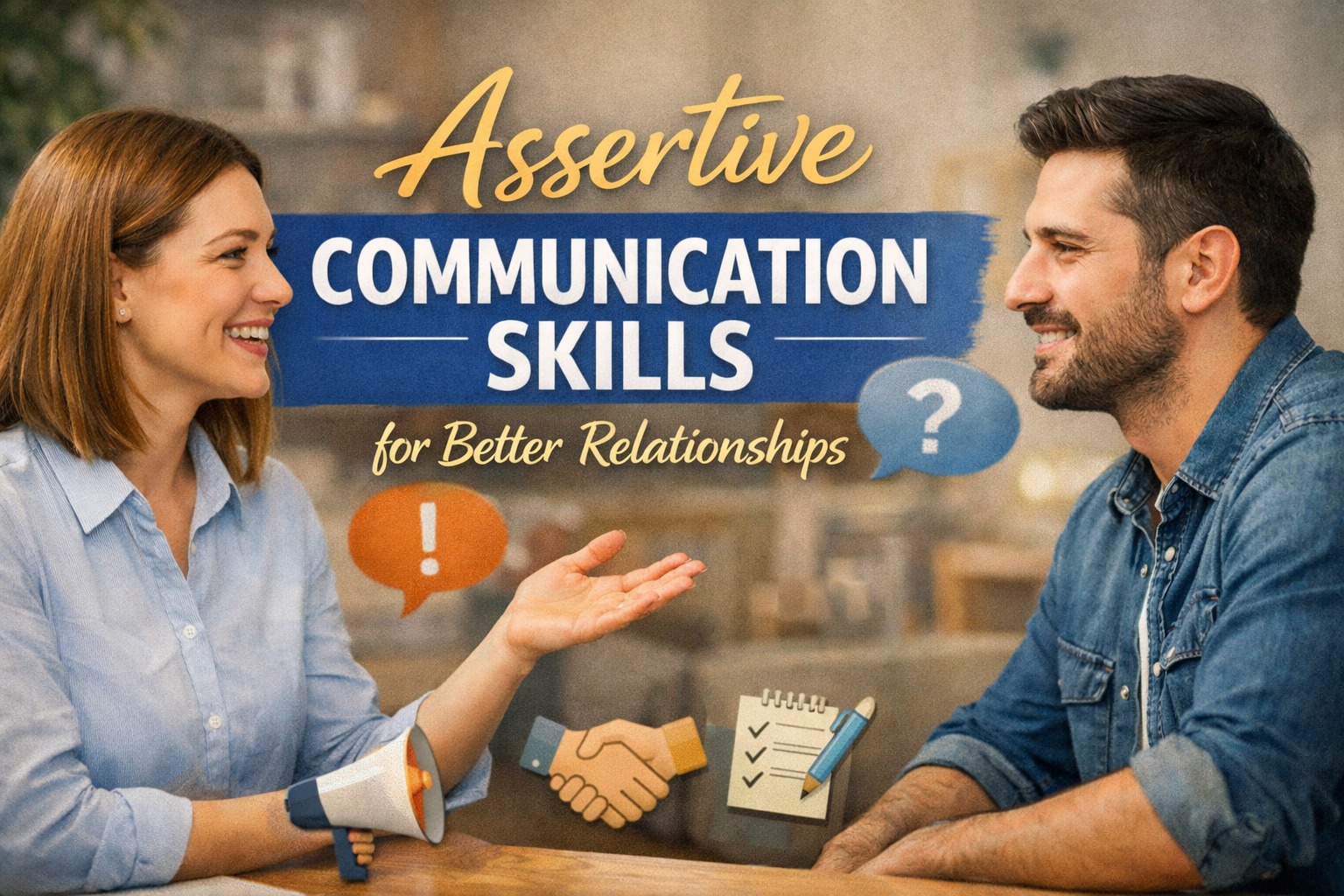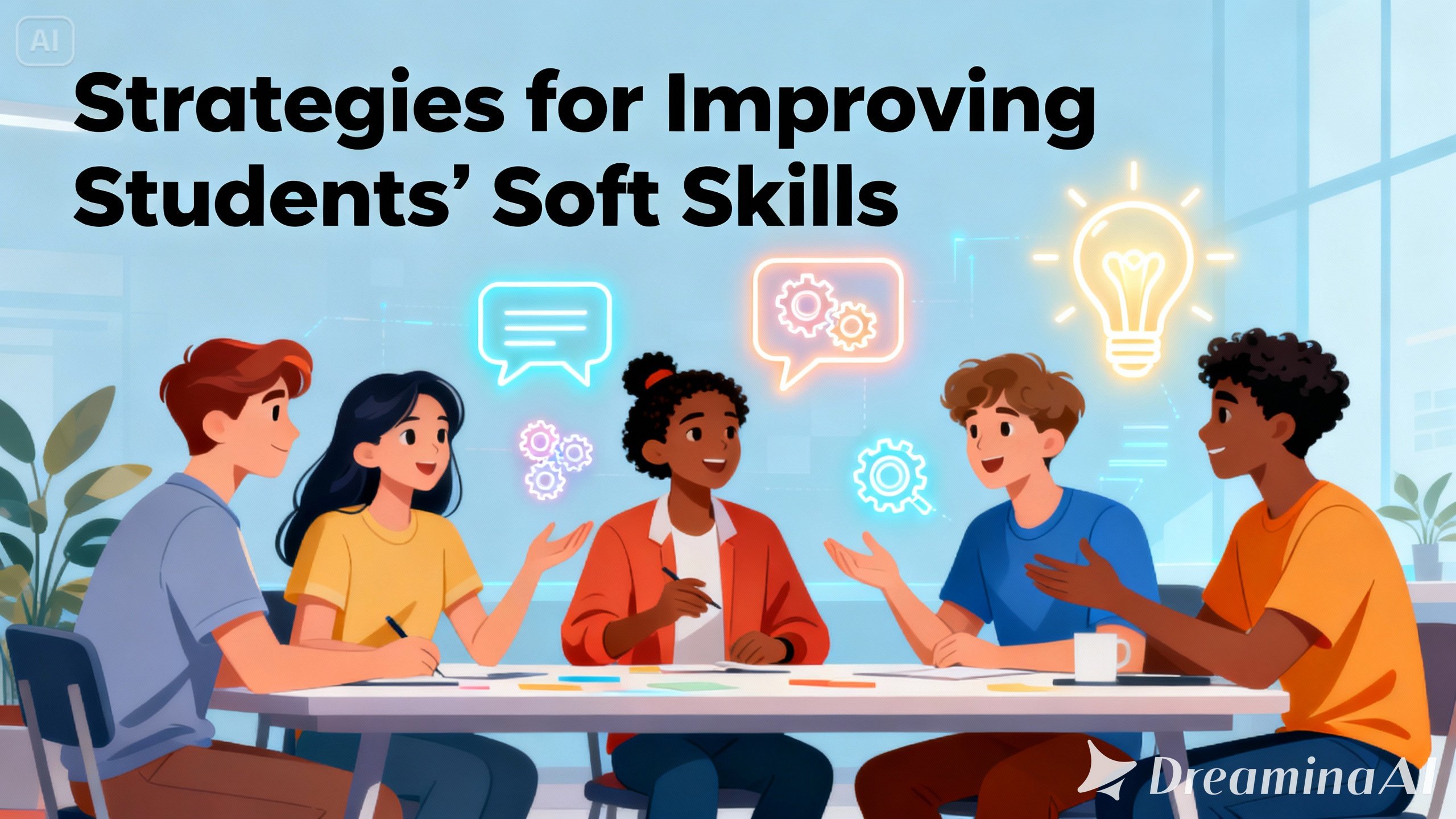
The development of today’s workforce requires students not only to possess strong academic abilities but also well-developed soft skills. Skills such as communication, teamwork, and self-management play a crucial role in determining career success. Therefore, students need to understand effective strategies for improving their soft skills during their college years so they are better prepared to face professional challenges in the future.
UTILIZING CAMPUS ORGANIZATIONS
Organizations as a Means of Self-Development
Joining campus organizations provides students with opportunities to develop leadership, responsibility, and communication skills. Through organizational activities, students become accustomed to working in teams, expressing opinions, and making collective decisions.
Field Experience in Building Professional Attitudes
Organizational activities such as meetings, events, and committee work help students understand work ethics, time discipline, and professional interaction with various parties.
IMPROVING COMMUNICATION SKILLS
Effective Communication Supports Academic and Career Success
Students need to be able to convey ideas clearly, both verbally and in writing. Presentations, class discussions, and report writing serve as effective training platforms.
Confidence Grows Through Regular Practice
The more frequently students practice public speaking, the stronger their self-confidence becomes. This skill is extremely valuable when entering the professional world.
DEVELOPING TEAMWORK SKILLS
Collaboration Increases Productivity
Group assignments teach students how to collaborate, respect others’ opinions, and solve problems collectively.
Differences of Opinion Foster Maturity
Through teamwork, students learn how to manage conflicts and make wise decisions to achieve shared goals.
IMPROVING TIME MANAGEMENT
Time Management Enhances Efficiency
Students who manage their schedules well tend to be more productive and less prone to stress.
Discipline Shapes Professional Attitudes
Punctuality reflects responsibility and commitment to assigned tasks.
PARTICIPATING IN SELF-DEVELOPMENT ACTIVITIES
Training Enhances Non-Academic Skills
Workshops, seminars, and soft skill training provide new insights into career readiness and personal development.
Additional Experiences Strengthen Character
The more positive experiences students gain, the more mature their attitudes and personalities become.
CONCLUSION
Strategies for improving students’ soft skills must be implemented consistently throughout their college years. Through organizational involvement, active communication, teamwork, time management, and self-development activities, students can build professional character and competitiveness. Strong soft skills serve as essential assets for achieving career success in the future.
**Keywords:**
Tentang Penulis
Gusti Ayu Tita
Penulis — Universitas STEKOM
Penulis aktif yang berfokus pada isu-isu akademik, teknologi pendidikan, dan pengembangan sumber daya manusia di lingkungan kampus.