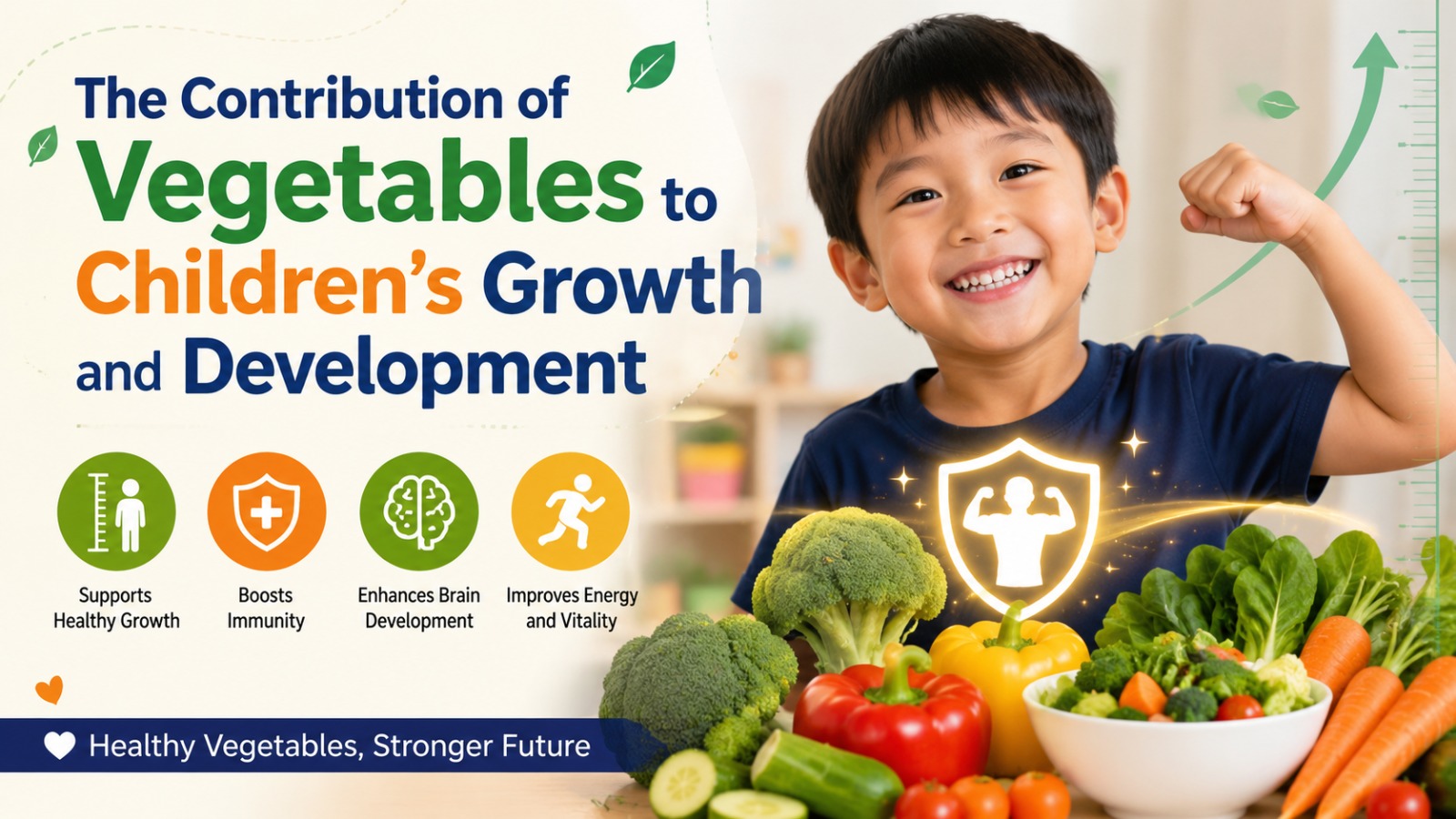
Vegetables play a crucial role in supporting children’s growth and overall development. Packed with essential vitamins, minerals, fiber, and antioxidants, vegetables provide the nutrients needed for building strong bodies and healthy minds. However, many children today consume fewer vegetables than recommended, which can impact their physical and cognitive development.
Understanding the importance of vegetables in a child’s daily diet can help parents and caregivers make better nutritional choices to support long-term health.
ESSENTIAL NUTRIENTS FOR PHYSICAL GROWTH
Vegetables are rich in key nutrients such as vitamin A, vitamin C, calcium, and iron. These nutrients are essential for bone development, muscle growth, and strengthening the immune system.
For example, leafy greens support bone health, while orange vegetables like carrots are beneficial for vision. Including a variety of vegetables ensures that children receive a balanced intake of nutrients.
SUPPORTING BRAIN DEVELOPMENT
Proper nutrition is vital for brain function and cognitive development in children. Vegetables contain antioxidants and micronutrients that support memory, concentration, and learning abilities.
Nutrients such as folate and iron play an important role in brain development, helping children perform better academically and socially.
BOOSTING THE IMMUNE SYSTEM
A strong immune system is essential for protecting children from illnesses. Vegetables provide antioxidants that help fight infections and reduce inflammation.
Regular consumption of vegetables can lower the risk of common illnesses such as colds and infections, allowing children to stay active and healthy.
PROMOTING HEALTHY DIGESTION
Vegetables are an excellent source of dietary fiber, which supports healthy digestion. Fiber helps regulate bowel movements and prevents digestive issues such as constipation.
A healthy digestive system also improves nutrient absorption, ensuring that children get the maximum benefit from their meals.
BUILDING HEALTHY EATING HABITS
Introducing vegetables at an early age helps children develop healthy eating habits that can last a lifetime. When children become familiar with different types of vegetables, they are more likely to continue consuming them as they grow older.
Parents can encourage this by making vegetables more appealing through creative preparation and presentation.
CHALLENGES AND SOLUTIONS IN CHILDREN’S VEGETABLE INTAKE
Many children are picky eaters and may resist eating vegetables. This can be addressed by offering a variety of options, involving children in meal preparation, and combining vegetables with foods they enjoy.
Consistency and positive reinforcement are key to helping children accept and enjoy vegetables over time.
CONCLUSION
Vegetables are essential for children’s growth and development, providing the nutrients needed for strong bodies, sharp minds, and overall well-being. Ensuring that children consume a balanced diet rich in vegetables is an investment in their future health.
By promoting healthy eating habits early, we can help children grow into healthy and active individuals.
Tentang Penulis
Gusti Ayu Tita
Penulis — Universitas STEKOM
Penulis aktif yang berfokus pada isu-isu akademik, teknologi pendidikan, dan pengembangan sumber daya manusia di lingkungan kampus.