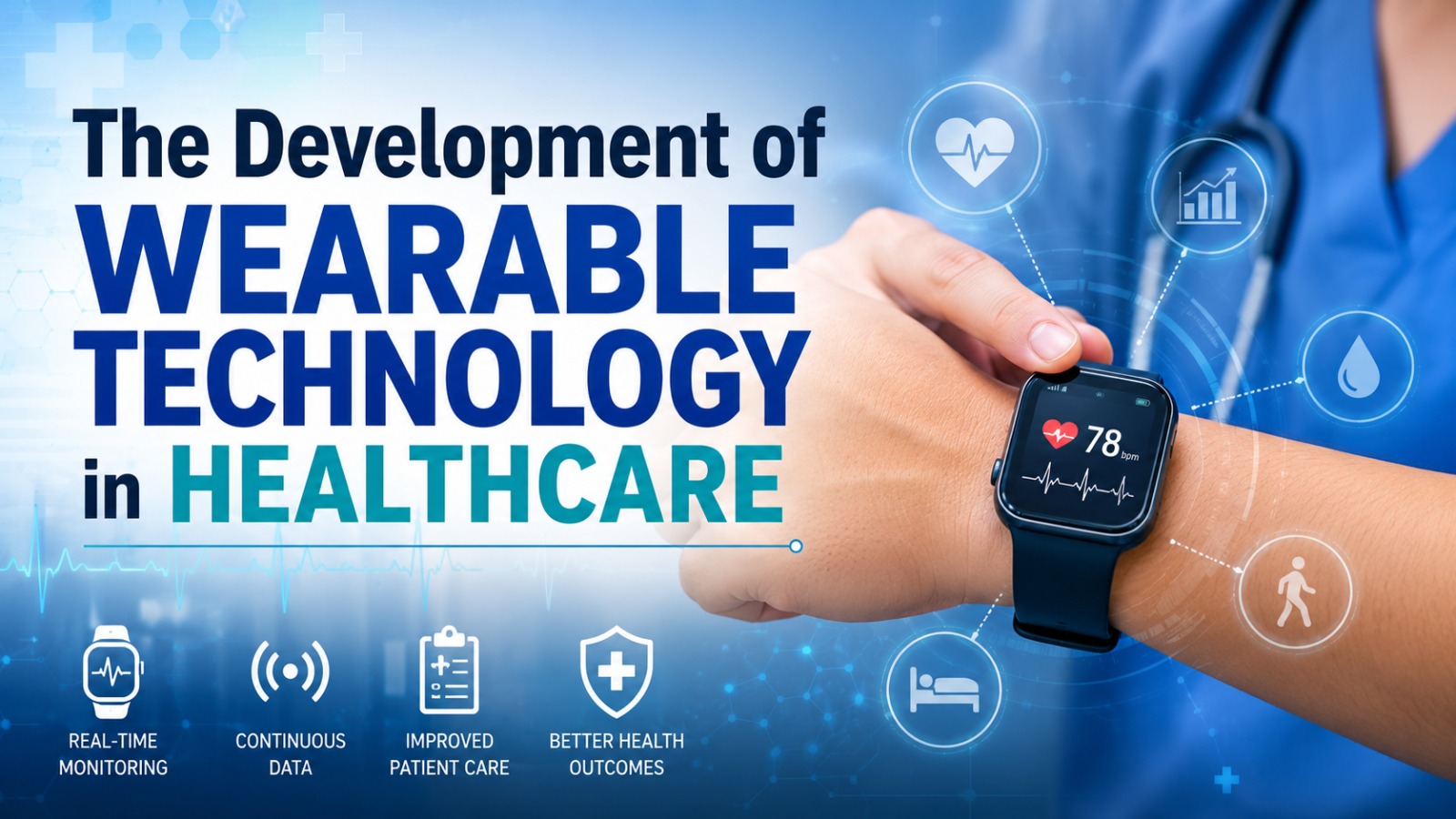
Wearable technology has become one of the most transformative innovations in modern healthcare. From smartwatches that track heart rates to biosensors that monitor chronic diseases in real time, wearable devices are changing how patients and medical professionals approach health management. As technology continues to evolve, wearable healthcare solutions are improving preventive care, enhancing patient monitoring, and increasing access to personalized treatment.
THE RISE OF WEARABLE TECHNOLOGY IN HEALTHCARE
The healthcare industry has witnessed rapid adoption of wearable technology over the past decade. Initially designed for fitness enthusiasts, wearable devices have expanded into medical applications that support both wellness tracking and clinical care. Devices such as fitness bands, smartwatches, ECG monitors, and glucose sensors now provide continuous health data that can be used by both users and healthcare providers.
The growing popularity of wearable technology is driven by increased health awareness, advances in sensor technology, and the demand for remote patient monitoring. Consumers today want immediate access to their health metrics, and wearable devices make that possible in a convenient and accessible way.
KEY BENEFITS OF WEARABLE HEALTHCARE DEVICES
Wearable technology offers several advantages that are reshaping the healthcare landscape. One of the most significant benefits is real-time health monitoring. Patients can continuously track vital signs such as heart rate, blood oxygen levels, sleep quality, and physical activity without visiting a clinic.
Another major advantage is early disease detection. Many wearable devices can identify irregular heart rhythms, detect falls, or alert users to abnormal health patterns before symptoms worsen. This proactive approach helps reduce hospital admissions and improve treatment outcomes.
Wearables also support chronic disease management. Patients with conditions such as diabetes, hypertension, or cardiovascular disease can use connected devices to monitor their health regularly and share data with doctors remotely.
IMPACT ON REMOTE PATIENT MONITORING
Remote patient monitoring has become increasingly important, especially following the rise of telemedicine. Wearable devices enable healthcare professionals to monitor patients outside traditional clinical settings. This capability improves access to care for elderly patients, rural populations, and individuals with mobility limitations.
Healthcare providers can receive automated updates from wearable devices, allowing them to intervene quickly when concerning health changes occur. As a result, wearable technology reduces the need for frequent in-person appointments while maintaining high-quality patient care.
CHALLENGES AND CONCERNS
Despite its many benefits, wearable healthcare technology faces several challenges. Data privacy and cybersecurity remain major concerns, as wearable devices collect highly sensitive medical information. Ensuring secure data storage and compliance with healthcare regulations is essential.
Another challenge is data accuracy. Although wearable devices continue to improve, not all products provide medical-grade precision. Inaccurate readings can lead to unnecessary anxiety or improper medical decisions if users rely solely on device data.
Cost and accessibility also present barriers. Advanced wearable medical devices may still be expensive for some patients, limiting widespread adoption in underserved communities.
THE FUTURE OF WEARABLE TECHNOLOGY IN HEALTHCARE
The future of wearable technology in healthcare looks highly promising. Artificial intelligence and machine learning are expected to make wearable devices smarter by improving predictive analytics and personalized health recommendations. Future wearables may detect diseases even earlier, monitor mental health indicators, and integrate seamlessly with electronic health records.
Innovations such as smart clothing, implantable sensors, and non-invasive diagnostic wearables are already under development. As these technologies mature, wearable healthcare devices will likely become a standard part of preventive and personalized medicine.
CONCLUSION
The development of wearable technology in healthcare is revolutionizing the way health is monitored, managed, and treated. By enabling real-time tracking, supporting remote care, and promoting preventive healthcare, wearable devices are helping create a more connected and patient-centered medical system. Although challenges remain, continued innovation will further strengthen the role of wearable technology in shaping the future of global healthcare.
Tentang Penulis
Gusti Ayu Tita
Penulis — Universitas STEKOM
Penulis aktif yang berfokus pada isu-isu akademik, teknologi pendidikan, dan pengembangan sumber daya manusia di lingkungan kampus.