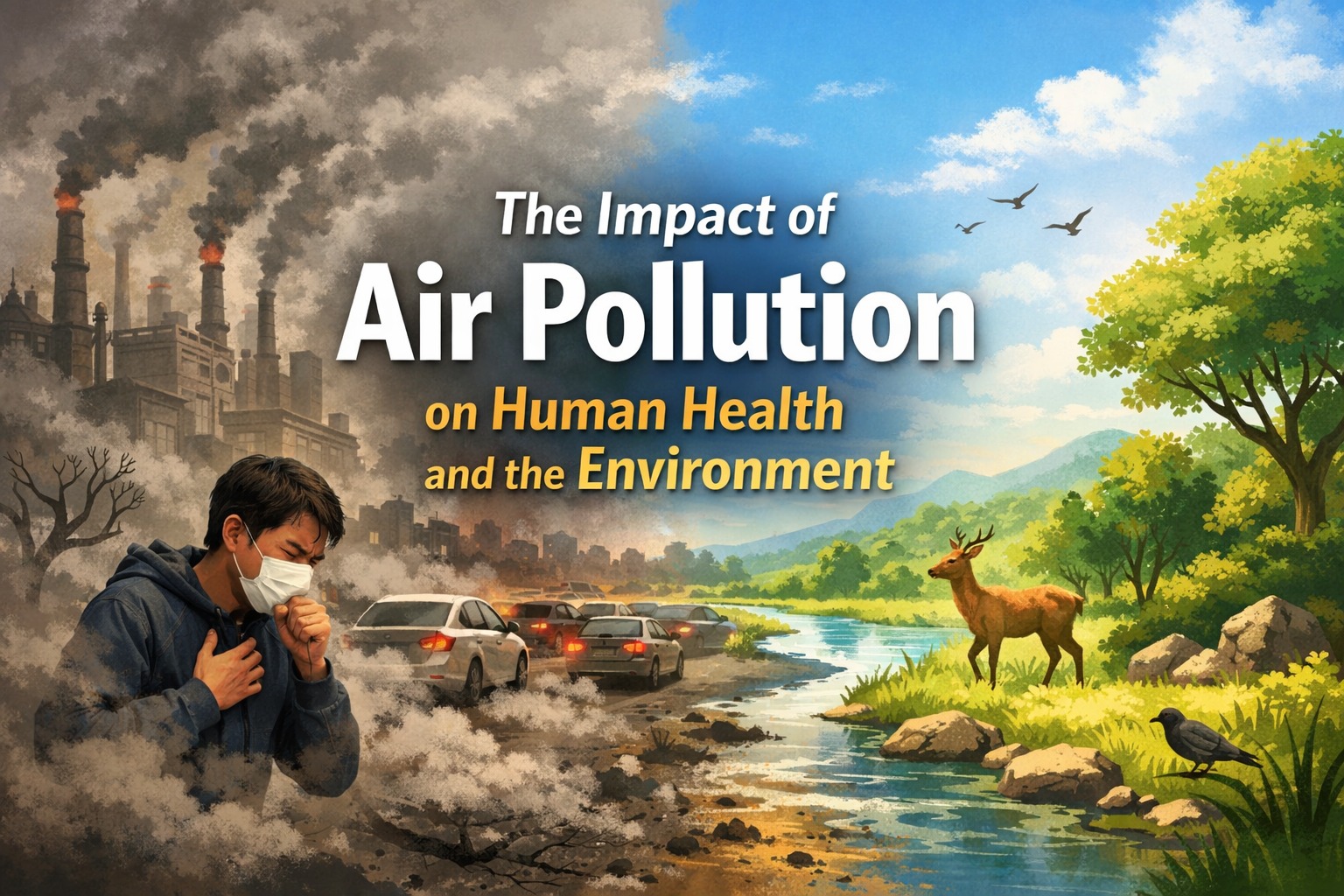
Air pollution has become one of the most serious global challenges in modern society. Rapid industrial growth, increasing vehicle emissions, and the excessive use of fossil fuels have significantly reduced air quality in many countries. Poor air conditions not only threaten human health but also damage ecosystems and contribute to climate change. Understanding the impact of air pollution is essential to encourage individuals and governments to take action toward a cleaner and healthier future.
WHAT IS AIR POLLUTION?
Air pollution refers to the presence of harmful substances in the atmosphere that can endanger living organisms and the environment. These pollutants may come from natural sources such as volcanic eruptions and wildfires, but most are produced by human activities. Common pollutants include carbon monoxide, sulfur dioxide, nitrogen oxides, and fine particulate matter.
Industrial factories, power plants, and transportation systems are among the leading contributors to polluted air. In urban areas, traffic congestion often worsens air quality and increases exposure to toxic gases.
EFFECTS OF AIR POLLUTION ON HUMAN HEALTH
Air pollution has severe consequences for human health, especially for children, elderly individuals, and people with respiratory diseases. Continuous exposure to polluted air can weaken the immune system and increase the risk of serious illnesses.
Respiratory Problems
One of the most common effects of air pollution is respiratory disease. Polluted air can irritate the lungs and airways, causing asthma, bronchitis, and chronic obstructive pulmonary disease. Fine particles in the air can enter deep into the lungs and reduce breathing capacity.
Cardiovascular Diseases
Air pollution also affects the heart and blood circulation. Studies show that long-term exposure to polluted air increases the risk of heart attacks, high blood pressure, and stroke. Toxic pollutants can enter the bloodstream and damage blood vessels over time.
Reduced Life Quality
People living in highly polluted cities often experience headaches, fatigue, eye irritation, and reduced productivity. Poor air quality can also negatively impact mental health and overall well-being.
IMPACT OF AIR POLLUTION ON THE ENVIRONMENT
The environment suffers greatly from rising levels of air pollution. Harmful emissions affect forests, water sources, wildlife, and even the global climate.
Climate Change
Greenhouse gases such as carbon dioxide and methane trap heat in the atmosphere and contribute to global warming. Rising global temperatures can lead to extreme weather events, melting glaciers, and rising sea levels.
Damage to Ecosystems
Air pollution can harm plants and animals by contaminating soil and water. Acid rain, which forms when sulfur dioxide and nitrogen oxides mix with moisture in the air, damages forests, rivers, and agricultural land.
Loss of Biodiversity
Many animal species struggle to survive in polluted environments. Changes in climate and habitat conditions threaten biodiversity and disrupt natural ecosystems.
WAYS TO REDUCE AIR POLLUTION
Reducing air pollution requires cooperation between governments, industries, and communities. Several practical steps can help improve air quality and protect the environment.
- Using public transportation or electric vehicles
- Planting more trees and protecting forests
- Reducing the use of fossil fuels
- Promoting renewable energy sources
- Increasing public awareness about environmental protection
Individuals can also contribute by saving energy, recycling waste, and supporting eco-friendly policies.
CONCLUSION
Air pollution is a major issue that affects both human health and the environment. Respiratory illnesses, heart disease, climate change, and ecosystem damage are only some of the serious consequences caused by polluted air. Taking preventive measures and encouraging sustainable practices are important steps toward creating a cleaner planet. By working together, society can reduce pollution levels and ensure a healthier future for the next generation.
Tentang Penulis
Gusti Ayu Tita
Penulis — Universitas STEKOM
Penulis aktif yang berfokus pada isu-isu akademik, teknologi pendidikan, dan pengembangan sumber daya manusia di lingkungan kampus.