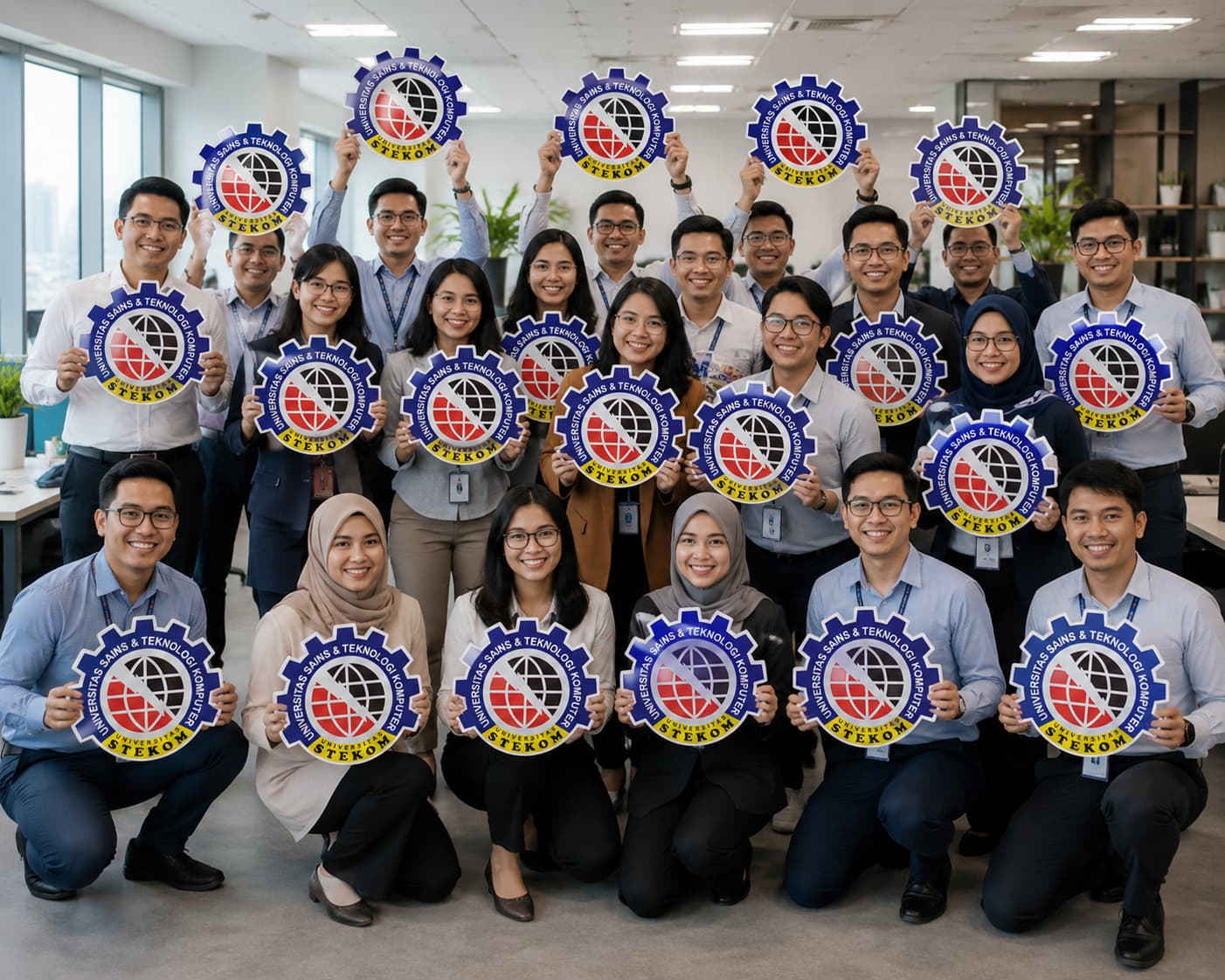
In today’s competitive world, mindset plays a major role in determining whether someone achieves success in their career or business journey. Skills, education, and experience are important, but the way a person thinks often becomes the foundation of long-term growth. People with a positive and growth-oriented mindset are usually more adaptable, motivated, and confident when facing challenges.
A strong mindset can influence decision-making, productivity, leadership, and the ability to recover from failure. Whether someone is building a business, pursuing a promotion, or developing professional skills, mindset becomes the driving force behind consistent progress.
WHY MINDSET MATTERS IN PROFESSIONAL LIFE
Mindset affects how individuals respond to opportunities and obstacles in the workplace. People with a fixed mindset often avoid risks because they fear failure or criticism. On the other hand, those with a growth mindset believe that abilities can improve through learning and persistence.
In professional environments, this difference creates a huge impact. Employees with a positive mindset tend to learn faster, communicate better, and adapt to changes more effectively. They also show stronger resilience during stressful situations.
Business owners also benefit greatly from having the right mindset. Entrepreneurs frequently face uncertainty, competition, and financial pressure. A strong mindset helps them remain focused and motivated even when results are not immediate.
THE CONNECTION BETWEEN MINDSET AND BUSINESS SUCCESS
Successful businesses are often built by individuals who think creatively and remain optimistic during difficult times. Mindset influences how entrepreneurs manage teams, solve problems, and create strategies for growth.
A growth mindset encourages innovation because business leaders are willing to experiment and learn from mistakes. Instead of viewing failure as the end, they see it as valuable feedback for improvement. This perspective helps companies continue evolving in changing markets.
In addition, mindset also affects leadership quality. Leaders with confidence and emotional intelligence can inspire employees and create a healthier work culture. Positive leadership often leads to stronger teamwork, higher productivity, and better customer relationships.
HOW TO DEVELOP A SUCCESSFUL MINDSET
Building a successful mindset requires daily practice and self-awareness. One effective way is by setting clear goals and maintaining discipline in achieving them. Consistency helps strengthen confidence and personal growth over time.
Another important step is learning continuously. Reading books, attending seminars, and gaining new experiences can expand perspectives and improve problem-solving abilities. Surrounding yourself with supportive and ambitious people can also influence your thinking patterns positively.
Managing negative thoughts is equally essential. Everyone experiences failure or setbacks, but successful individuals choose to focus on solutions instead of limitations. Practicing gratitude and self-reflection can help maintain emotional balance and motivation.
CONCLUSION
Mindset has a powerful influence on career advancement and business achievement. People who develop a positive and growth-oriented mindset are more prepared to face challenges, adapt to change, and pursue long-term goals. In both professional careers and entrepreneurship, success is not only determined by talent or resources but also by the way individuals think and respond to situations.
By improving mindset through continuous learning, discipline, and resilience, anyone can increase their chances of achieving greater success in the future.
Tentang Penulis
Gusti Ayu Tita
Penulis — Universitas STEKOM
Penulis aktif yang berfokus pada isu-isu akademik, teknologi pendidikan, dan pengembangan sumber daya manusia di lingkungan kampus.