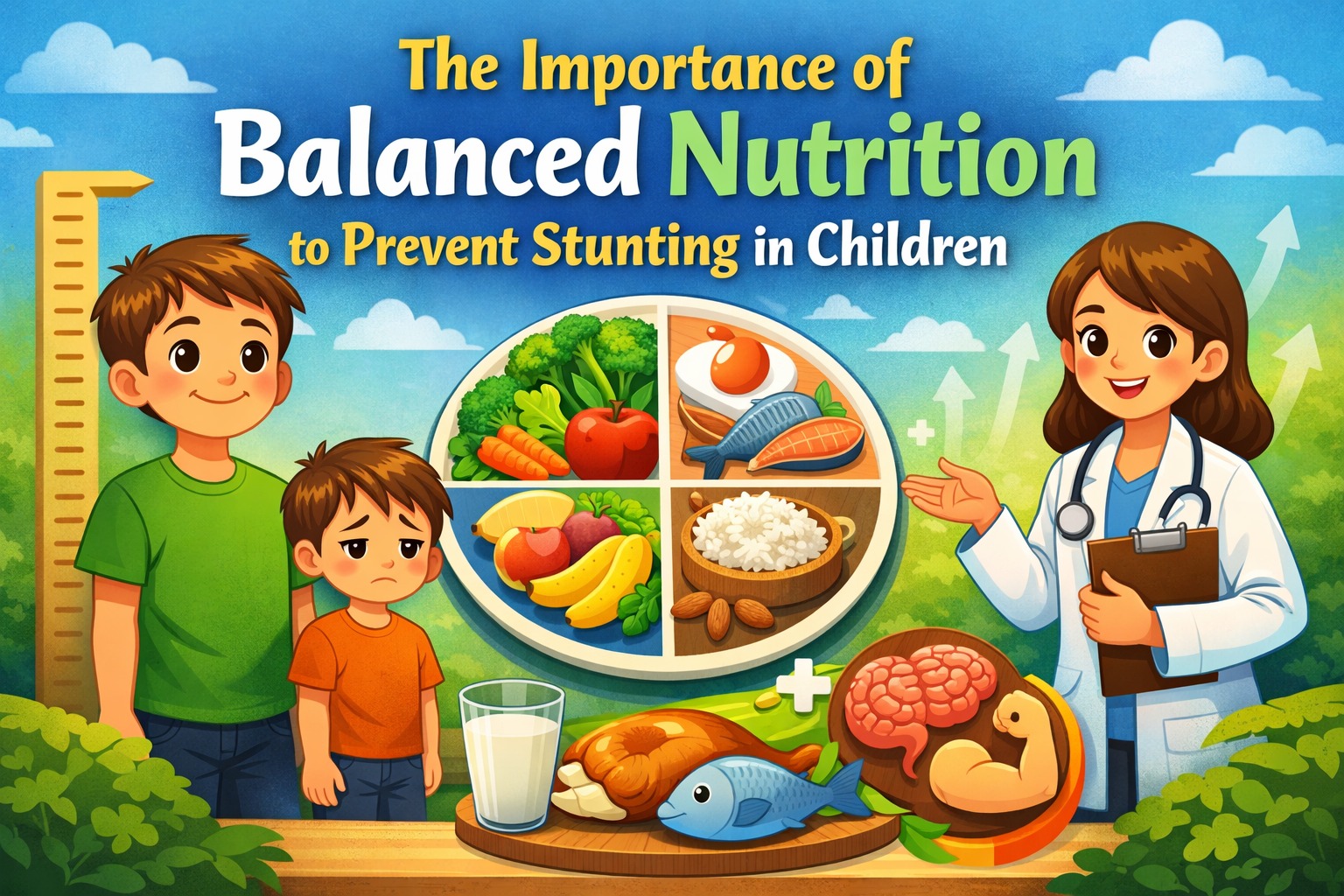
Stunting remains one of the most serious health challenges affecting children worldwide. It occurs when a child experiences impaired growth and development due to chronic malnutrition, repeated infections, and inadequate care during the early years of life. Balanced nutrition plays a critical role in preventing stunting and ensuring children grow into healthy, intelligent, and productive individuals. Providing proper nutrients from pregnancy through childhood is essential to support physical growth, brain development, and a strong immune system.
UNDERSTANDING STUNTING IN CHILDREN
Stunting is a condition where children are shorter than the standard height for their age because of long-term nutritional deficiencies. This issue does not only affect physical appearance but also impacts cognitive abilities, learning capacity, and overall health. Children who suffer from stunting are more likely to face difficulties in school and have lower productivity as adults.
The first 1,000 days of life, starting from pregnancy until a child reaches two years old, are considered the most important period for growth and development. During this stage, children require sufficient nutrients to support healthy body functions and optimal brain performance.
THE ROLE OF BALANCED NUTRITION
Balanced nutrition means consuming the right combination of carbohydrates, proteins, fats, vitamins, minerals, and water in appropriate portions. Each nutrient has a specific role in supporting a child’s growth and preventing stunting.
Protein is especially important because it helps build muscles, tissues, and organs. Foods such as eggs, fish, chicken, milk, tofu, and beans are excellent protein sources for children. Vitamins and minerals like iron, zinc, calcium, and vitamin A also contribute to stronger immunity and better development.
Parents should ensure children eat a variety of nutritious foods every day. A healthy diet should include vegetables, fruits, grains, dairy products, and protein-rich foods. Limiting processed foods and sugary snacks can also improve overall nutritional intake.
THE IMPORTANCE OF MATERNAL NUTRITION
Preventing stunting begins before a child is born. Pregnant women need adequate nutrition to support fetal growth and reduce the risk of low birth weight. Mothers who consume healthy foods during pregnancy are more likely to give birth to healthier babies.
Iron and folic acid are crucial during pregnancy because they help prevent anemia and support brain development. Regular health check-ups and prenatal care also help monitor the mother’s health and the baby’s growth.
Breastfeeding is another essential factor in preventing stunting. Exclusive breastfeeding for the first six months provides complete nutrition and strengthens the baby’s immune system. After six months, complementary foods should be introduced while continuing breastfeeding.
HEALTHY LIFESTYLE AND SANITATION
Balanced nutrition alone is not enough to prevent stunting. Good hygiene and sanitation practices are equally important because infections can reduce nutrient absorption in the body. Families should maintain clean living environments, use safe drinking water, and encourage regular handwashing.
Children also need adequate sleep, physical activity, and routine medical check-ups to maintain overall health. Vaccinations and proper healthcare services help protect children from diseases that may interfere with growth.
GOVERNMENT AND COMMUNITY SUPPORT
Governments and communities play an important role in reducing stunting rates. Public health campaigns, nutrition education, and food assistance programs can help families understand the importance of healthy eating habits.
Schools, healthcare centers, and local organizations can work together to provide nutrition counseling and promote healthy lifestyles. Community support is essential to ensure every child has access to nutritious food and proper healthcare services.
CONCLUSION
Balanced nutrition is the foundation of healthy growth and development in children. Preventing stunting requires proper nutrition, good sanitation, maternal care, and community support. By ensuring children receive adequate nutrients from an early age, families can help create a healthier and smarter generation for the future. Raising awareness about balanced nutrition is an important step toward reducing stunting and improving the quality of life for children around the world.
Tentang Penulis
Gusti Ayu Tita
Penulis — Universitas STEKOM
Penulis aktif yang berfokus pada isu-isu akademik, teknologi pendidikan, dan pengembangan sumber daya manusia di lingkungan kampus.